Belgium’s Position Between Europe’s Major Tech Hubs
March 14, 2026 by Harshit Gupta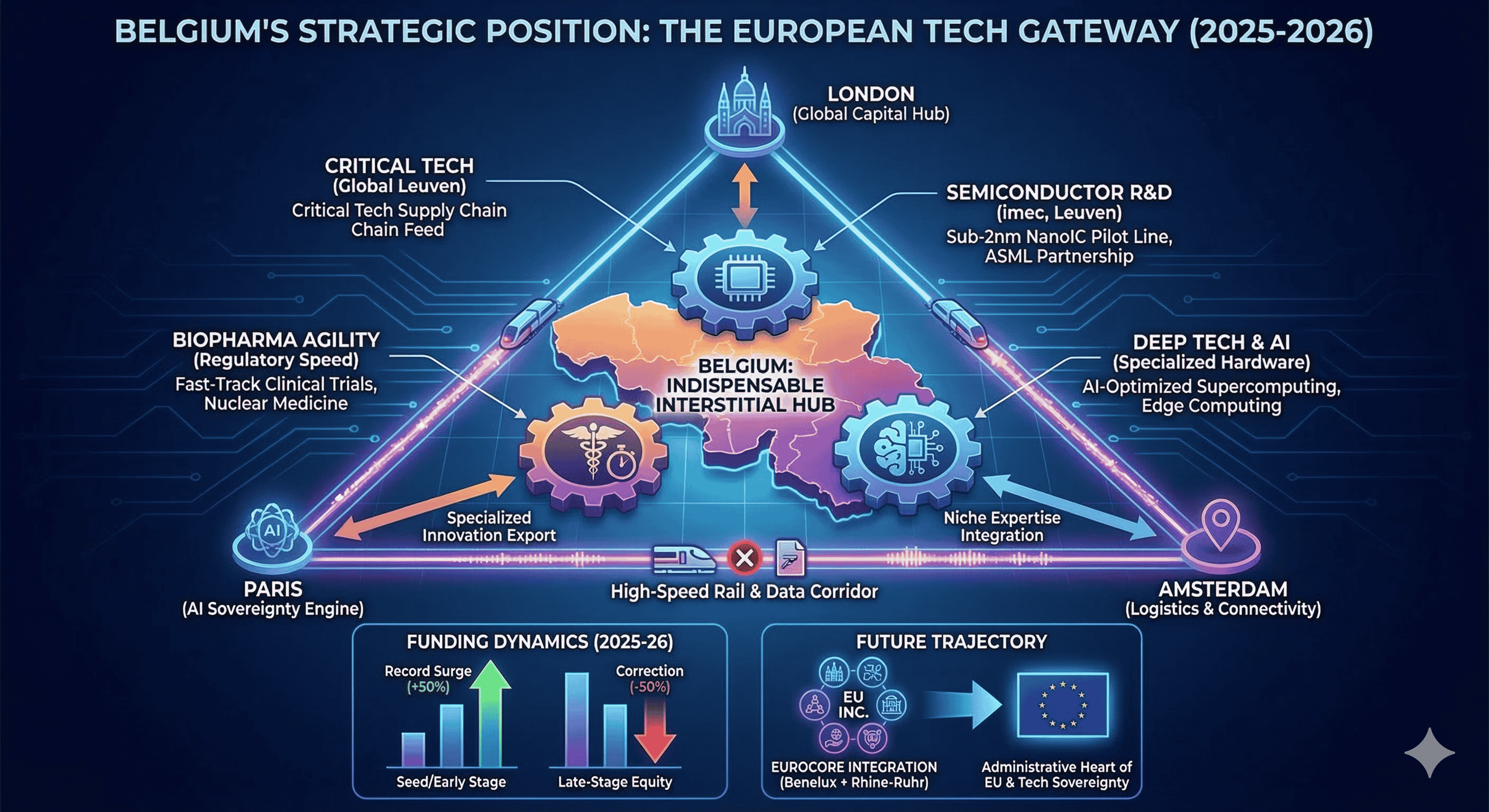
The geographical and economic configuration of the North-West European innovation landscape is increasingly defined by a high-velocity triangle anchored by London, Paris, and Amsterdam. Within this constellation, Belgium occupies a position that is both precarious and privileged. Rather than competing as a primary hub of global capital like London or a centralized engine of AI sovereignty like Paris, Belgium has cultivated a role as the indispensable interstitial space. This position is characterized by its command over critical technology chokepoints, particularly in semiconductor research, biopharmaceutical regulatory agility, and specialized deep-tech hardware. As of 2025 and early 2026, the Belgian tech ecosystem has entered a maturation phase where its value is derived not from sheer scale, but from its integration into the strategic supply chains of its larger neighbors and its role as the administrative heart of the European Union.
The Belgian innovation model is a study in structural leverage. While the nation’s venture capital volumes represent a fraction of those found in the United Kingdom or Germany, Belgium’s per-capita innovation output and its concentration of world-class research institutions—most notably imec—allow it to exert influence far beyond its domestic market. The current period is marked by a dual narrative: a significant correction in late-stage equity funding, which saw a 50 percent drop in the first half of 2025, contrasted against a record-breaking surge in entrepreneurial activity and seed-stage resilience. This report examines the mechanisms by which Belgium maintains its status as a gateway hub, the impact of its regional fragmentation on scaling potential, and its strategic trajectory within the emerging "Eurocore" economic framework.
The Semiconductor Foundation: imec and the Global Supply Chain
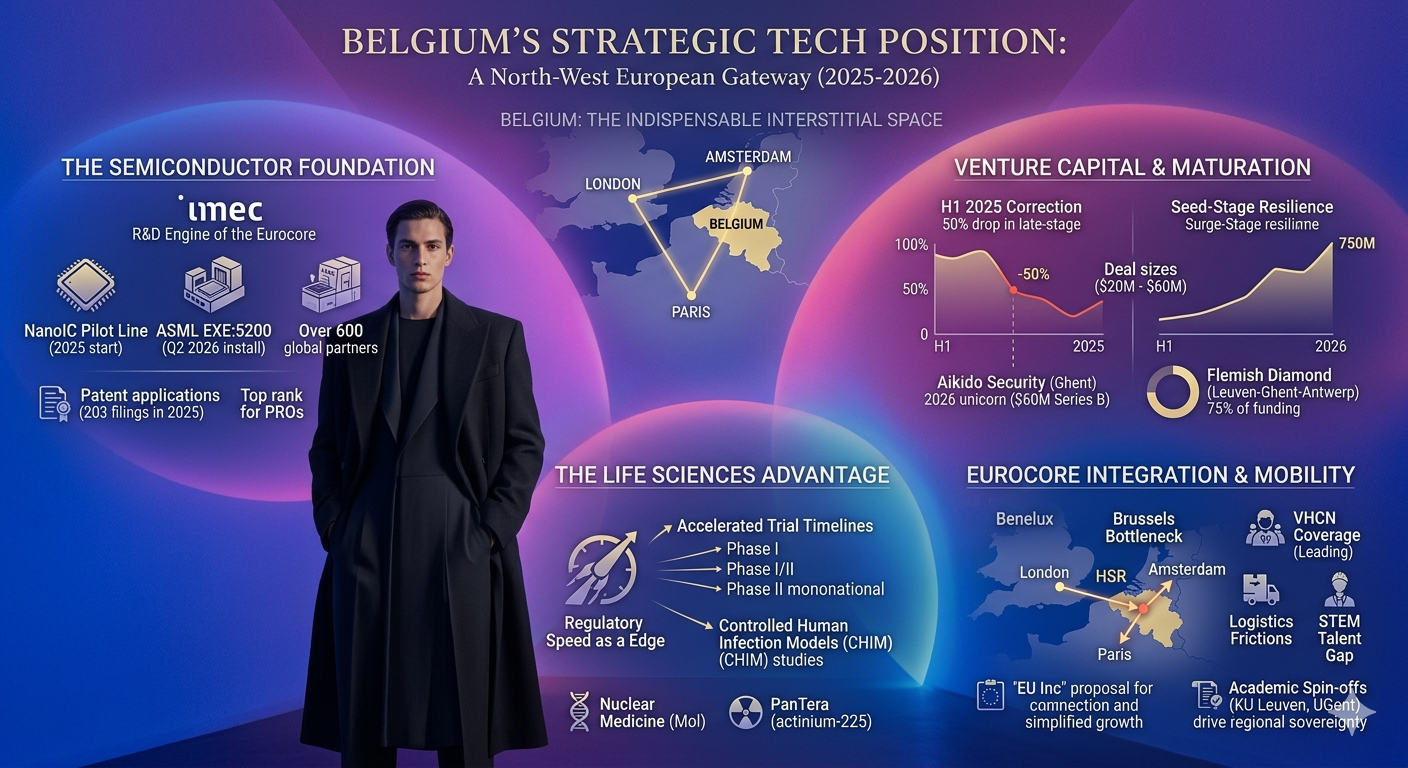
The most significant asset in Belgium’s high-tech arsenal is imec (Interuniversity Microelectronics Centre), located in Leuven. In the global semiconductor value chain, Belgium functions not as a mass manufacturer but as the world’s pre-eminent upstream innovation engine. This role has been solidified through the launch of the NanoIC pilot line project in 2025, an initiative funded by the Chips Joint Undertaking (Chips JU) and aligned with the broader ambitions of the European Chips Act. The NanoIC pilot line represents a transformation of the research environment into a highly specialized infrastructure capable of testing nodes beyond 2nm, a frontier that few other nations can contest.
The strategic importance of imec is underscored by its partnership with ASML and ZEISS. In March 2025, imec and ASML signed a milestone agreement to install the full suite of ASML’s product portfolio, including the EXE:5200 High NA EUV scanner, in imec’s Leuven cleanroom. The installation of this scanner, which is the most advanced lithography tool available globally, is slated for completion in the second quarter of 2026. This technical capability allows Belgium to host a unique collaborative environment where over 600 global industry partners, ranging from foundational toolmakers to fabless design firms, co-develop the next generation of logic and memory chips.
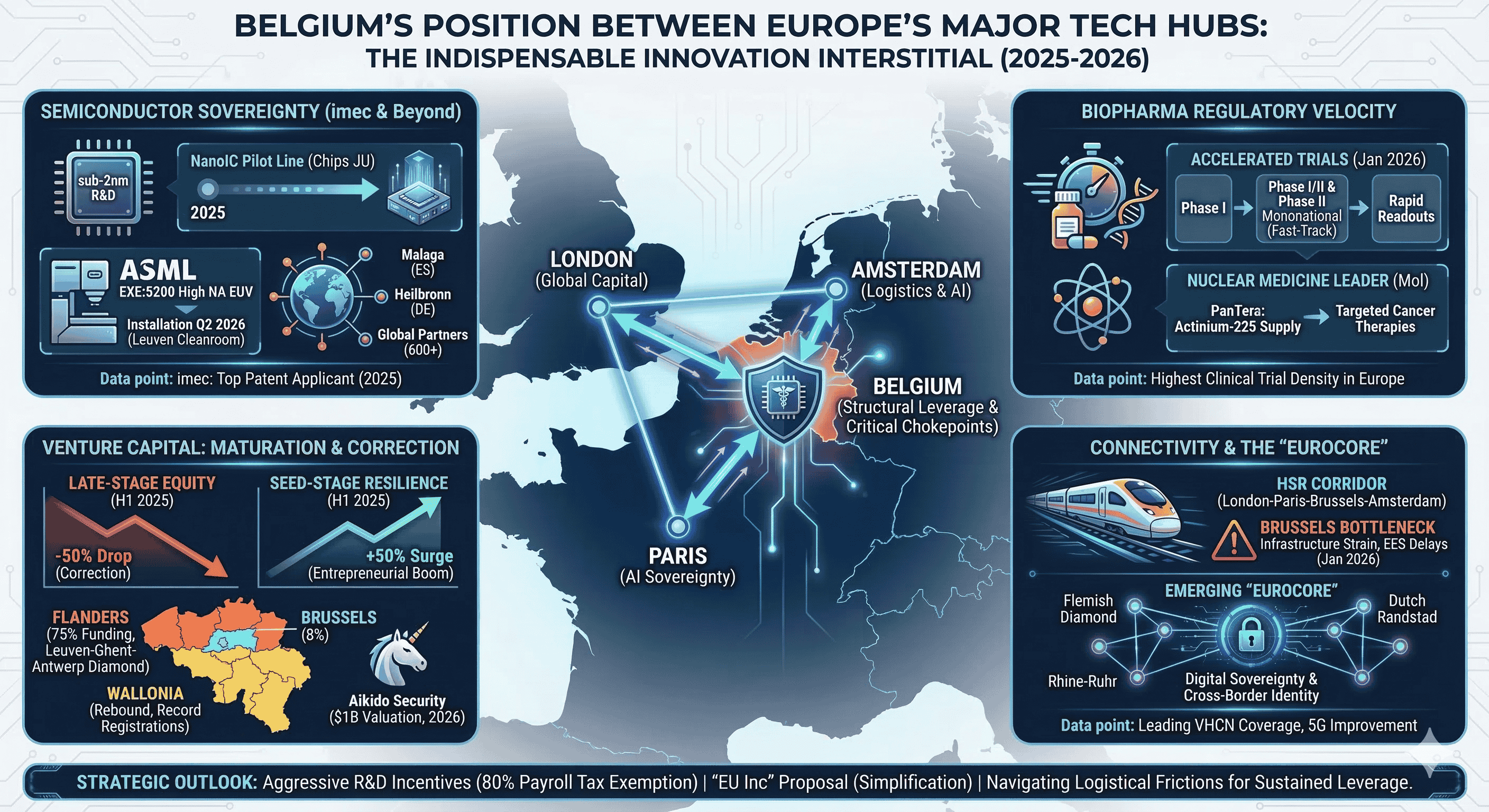
Table 1: Strategic Semiconductor R&D Infrastructure (2025-2026)
Project/Infrastructure | Primary Function | Strategic Importance |
NanoIC Pilot Line | R&D for sub-2nm nodes | Official start in 2025 with nearly 100 state-of-the-art tools. |
ASML EXE:5200 High NA EUV | Advanced Lithography | Installation in Q2 2026; enables prototyping of ultra-miniaturized circuits. |
EU Chips Design Platform | Fabless Accessibility | Coordination of a 12-partner consortium to provide SME access to design. |
XTCO Paradigm | Cross-Technology Co-optimization | Aligning technological roadmaps with system scaling (thermal, power). |
N2 Pathfinding PDK | Process Design Kit | October 2025 update adding SRAM macros for advanced AI architectures. |
The economic impact of this concentration is measurable. Imec remained Belgium’s top patent applicant for the second consecutive year in 2025, filing 203 applications, an 8.6 percent increase from the previous year. Belgium now ranks fourth in Europe for patent applications submitted by public research organizations (PROs), with imec accounting for 70 percent of these filings. However, this "imec paradox"—where a country dominates in R&D but lacks domestic high-volume manufacturing—leaves Belgium structurally exposed to global geopolitical shifts. Without local fabrication capacity, the country remains a "high-value subcontractor" in a geopolitical game it does not fully control. To mitigate this, imec has expanded its international footprint, establishing a new R&D facility in Malaga, Spain, and an Advanced Chip Design Accelerator in Heilbronn, Germany, effectively exporting the "Belgian model" of collaborative research across the continent.
Beyond lithography, the 2025-2026 research agenda at imec has pivoted toward the integration of AI and hardware. The launch of the BE-AI Factory Antenna in late 2025 provides Belgian companies with access to AI-optimized supercomputing, bridging the gap between chip design and the deployment of large-scale models. Furthermore, imec’s 2025 thermal system-technology co-optimization (STCO) study demonstrated a breakthrough in 3D HBM-on-GPU integration, reducing peak GPU temperatures from 141.7°C to 70.8°C under AI training workloads. This technical achievement is critical for the future of energy-efficient data centers and edge computing, areas where Belgian expertise is increasingly sought by the "Big Tech" hubs of Paris and LondonVenture Capital Trends: A Maturation Phase Amid Correction
The Belgian tech funding landscape in 2025 provides a microcosm of the broader European market’s transition. Following a record-breaking 2024, in which Belgian tech attracted close to 940 million euros, the first half of 2025 saw a sharp 48-50 percent drop in equity funding, totaling approximately 210 million euros. This correction was driven primarily by a pullback in growth and late-stage rounds, as foreign investor participation fell below 50 percent for the first time in several years.
Despite the decline in aggregate volume, the Belgian ecosystem displayed remarkable early-stage resilience. Recorded seed rounds surged by 50 percent in H1 2025 compared to the same period in 2024. This "bottom-up" momentum suggests that while "mega-rounds" are scarcer, the pipeline of new startups is healthier than ever. The maturation of the ecosystem is also evident in the increasing deal sizes; since 2018, average capital invested at the Series B stage has grown 5.5 times.
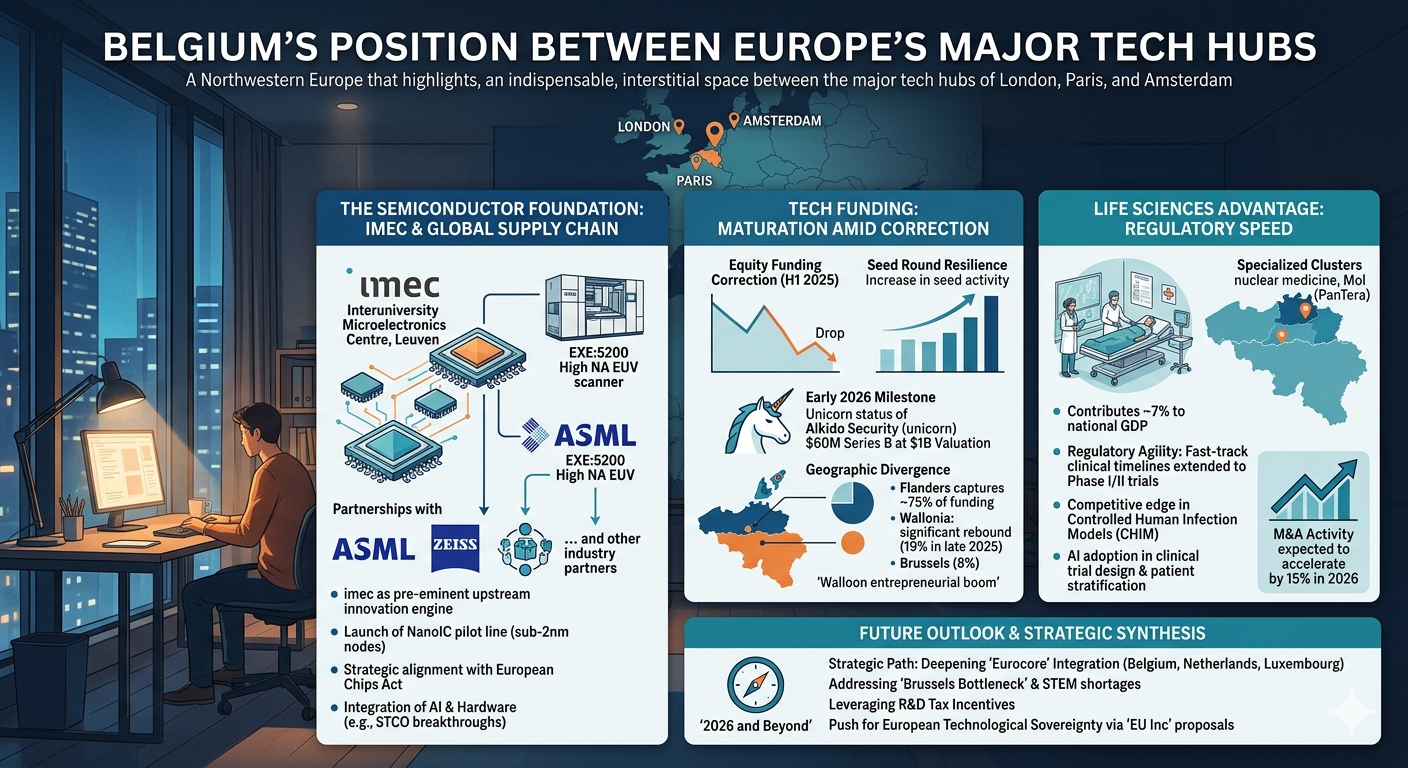
Table 2: European Venture Funding Per Capita Comparison (H1 2025 Projection)
Country/Region | Total Funding (H1 2025) | Per Capita Performance | Trend Status |
United Kingdom | €17B - €21.5B (FY) | High | Stabilizing. |
France | €8.5B - €8.7B (FY) | Moderate-High | AI-driven growth. |
Germany | €8.4B - €11.5B (FY) | Moderate | Recovering. |
Netherlands | €3.4B (FY) | High | Concentrated in large rounds. |
Belgium | €210M (H1) | Moderate | Strong Seed, weak Growth. |
Belgium’s ability to sustain its ecosystem during this slowdown has been largely bolstered by its "deep tech" and AI sectors. Companies such as Swave Photonics, Vertical Compute, Bnewable, Nobi, and Eyeo accounted for more than half of all capital raised in early 2025. The emergence of Aikido Security as a unicorn in early 2026, with a $60 million Series B at a $1 billion valuation, serves as a significant milestone for the Ghent-based cluster. Aikido’s success, alongside the continued growth of other Belgian unicorns like argenx, highlights the country’s capacity to build global-scale companies in specialized niches.
A notable geographic divergence is occurring within the country. Flanders continues to capture nearly 75 percent of all Belgian tech funding, driven by the Leuven-Ghent-Antwerp "Flemish Diamond". Wallonia, however, demonstrated a significant rebound in late 2025, accounting for 19 percent of total investment, while Brussels’ share slipped to 8 percent. This shift in Wallonia is linked to a broader entrepreneurial boom; Belgium saw a record 132,199 new business registrations in 2025, with Wallonia seeing a 42 percent surge in Q4 alone. This boom was facilitated by the abolition of the business management certificate in Wallonia on October 1, 2025, a policy shift that removed a significant barrier to entry for new entrepreneurs.
The Life Sciences Advantage: Regulatory Speed as a Competitive Edge
While semiconductors and enterprise software dominate the tech headlines, the life sciences and biopharmaceutical sector remains Belgium’s most mature innovation engine, contributing roughly 7 percent to the national GDP. In 2025 and 2026, Belgium’s competitive advantage in this space has pivoted from manufacturing capacity to regulatory speed. Historically, Belgian law has allowed for accelerated approval timelines for Phase I trials, but as of January 2026, these timelines have been formally extended to Phase I/II and Phase II mononational trials.
This regulatory agility is particularly critical for "Controlled Human Infection Models" (CHIM) studies. By providing a rare combination of scientific maturity and operationally ready regulatory frameworks, Belgium has positioned itself as the preferred destination for pharmaceutical companies seeking "fast-track" clinical readouts. This is occurring against a backdrop of global "patent cliffs," where major pharmaceutical firms are facing a massive loss of exclusivity for their top-performing drugs. Consequently, M&A activity in the sector is expected to accelerate by 15 percent in 2026, with a focus on acquiring "precision-driven" assets.
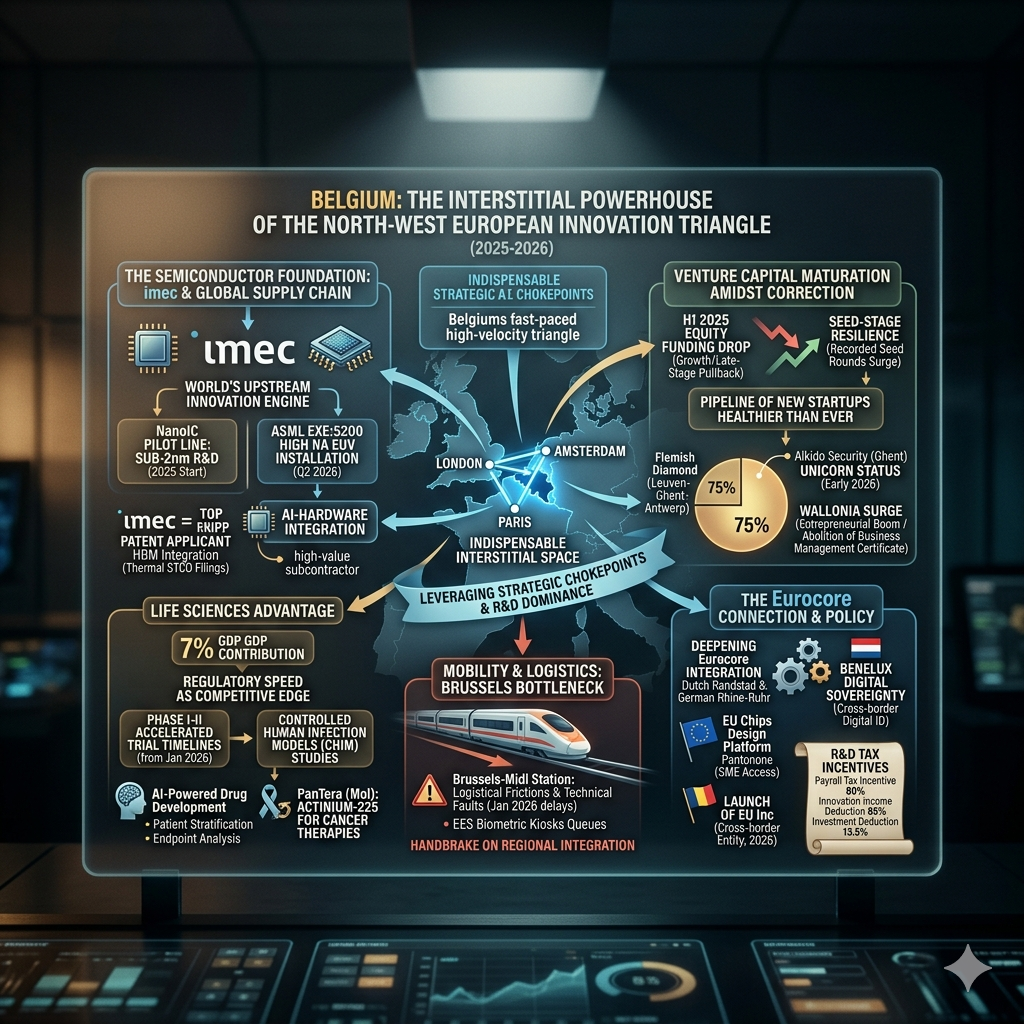
Table 3: Comparative Biopharma Innovation Indicators (2025-2026)
Indicator | Belgian Performance | Strategic Implication |
GDP Contribution | 7% | Biopharma is a foundational economic stabilizer. |
Top Export | Biopharmaceuticals | Dominates national trade balance. |
Clinical Trial Density | Highest in Europe | Supports rapid patient recruitment and data generation. |
Regulatory Timeline | Phase I/II acceleration | Faster "go/no-go" decisions for global sponsors. |
Specialized Clusters | Nuclear Medicine (Mol) | Emerging leader in targeted alpha therapies (e.g., PanTera). |
The integration of AI into drug development is also reshaping the Belgian biopharma cluster. By 2026, the industry has shifted from using AI purely for drug discovery to using it as part of the machinery for clinical trial design, patient stratification, and endpoint analysis. Belgian startups like Spica Therapeutics and PanTera are emblematic of this trend. PanTera, based in Mol, is addressing the critical global supply shortage of actinium-225, a radioisotope used in targeted cancer therapies, by leveraging Belgium's unique nuclear research infrastructure. This intersection of nuclear science and biotechnology provides a competitive moat that neighboring hubs struggle to replicate.
Mobility and Logistics: The Brussels Bottleneck and the Rail Corridor
Belgium’s role as a tech bridge between London, Paris, and Amsterdam is physically manifested in its high-speed rail (HSR) connectivity. High-speed rail has transformed the North-West European corridor into a unified labor market, where cities like Brussels, Paris, and London are increasingly viewed as interconnected nodes rather than isolated hubs. For distances of 400-600km, HSR has become the dominant alternative to air travel, facilitating the flow of talent and capital across borders.
However, the "Brussels hub" is facing a crisis of infrastructure. In January 2026, technical faults and security incidents at Brussels-Midi station triggered network-wide Eurostar delays, highlighting the vulnerability of this high-frequency cross-border commuting. This "Brussels bottleneck" is exacerbated by the rollout of the EU’s new Entry/Exit System (EES), which requires biometric kiosks that can lead to significant queues if technical failures occur. These logistical frictions act as a "handbrake" on the regional integration that is supposed to be Belgium’s primary asset.
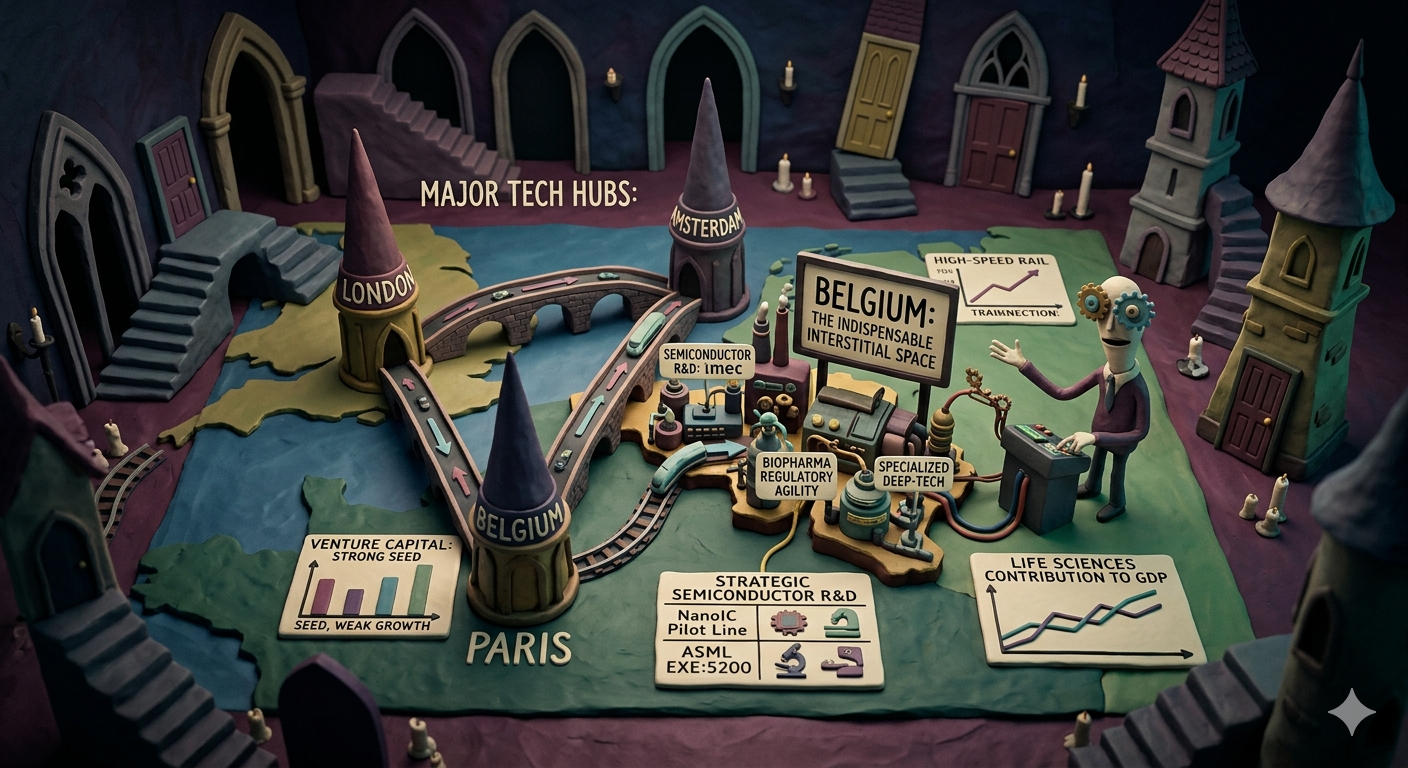
Table 4: Connectivity and Infrastructure Benchmarks (2025)
Metric | Belgium | EU Average | Status |
VHCN (Gigabit) Coverage | Leading | Moderate | Strong leadership in foundational connectivity. |
5G Improvement Rate | High | Moderate | Rapidly surpassing EU averages. |
FTTP Coverage | Low | Moderate | Remains a gap in sparsely populated areas. |
Digital Public Services | 100% (Target) | 100% (Target) | Strong performance in e-ID and e-Health. |
Population Density (Brussels) | 7,732/km² | N/A | Highest density supports localized innovation clusters. |
The logistical challenge is compounded by a shortage of ICT and STEM professionals. While Belgium ranks high in tertiary education attainment, it continues to face significant skills mismatches and a gender imbalance in digital roles. Advanced digital skills in Belgium remain below the EU average, a critical hurdle for an ecosystem that seeks to transition from R&D to large-scale technological deployment. This talent gap is often filled by cross-border commuters from France and the Netherlands, making the reliability of the HSR network a strategic economic imperative.
The Policy Landscape: R&D Incentives and "EU Inc"
Belgium’s attractiveness as an R&D hub is fundamentally rooted in its aggressive fiscal policy. The country offers some of the most competitive R&D tax incentives in Europe, which jointly increase R&D employment and total innovation expenditure. Key measures include the R&D payroll tax incentive, which allows companies to recover up to 80 percent of the withholding tax for researchers, and an R&D investment deduction of up to 13.5 percent. These incentives are particularly effective for "Strong Innovators" like the Flemish and Walloon regions, which perform well above the EU average in SME innovation collaboration.
At the European level, the 2026 launch of the "EU Inc" proposal by the European Commission promises to simplify cross-border growth for Belgian startups. This "28th regime" introduces an EU-wide corporate entity, allowing startups to register once and operate across all 27 member states under a single legal framework. For a Belgian startup, which typically outgrows its domestic market within its first two years, this reduces the administrative burden of expanding into the neighboring "Big 3" markets.
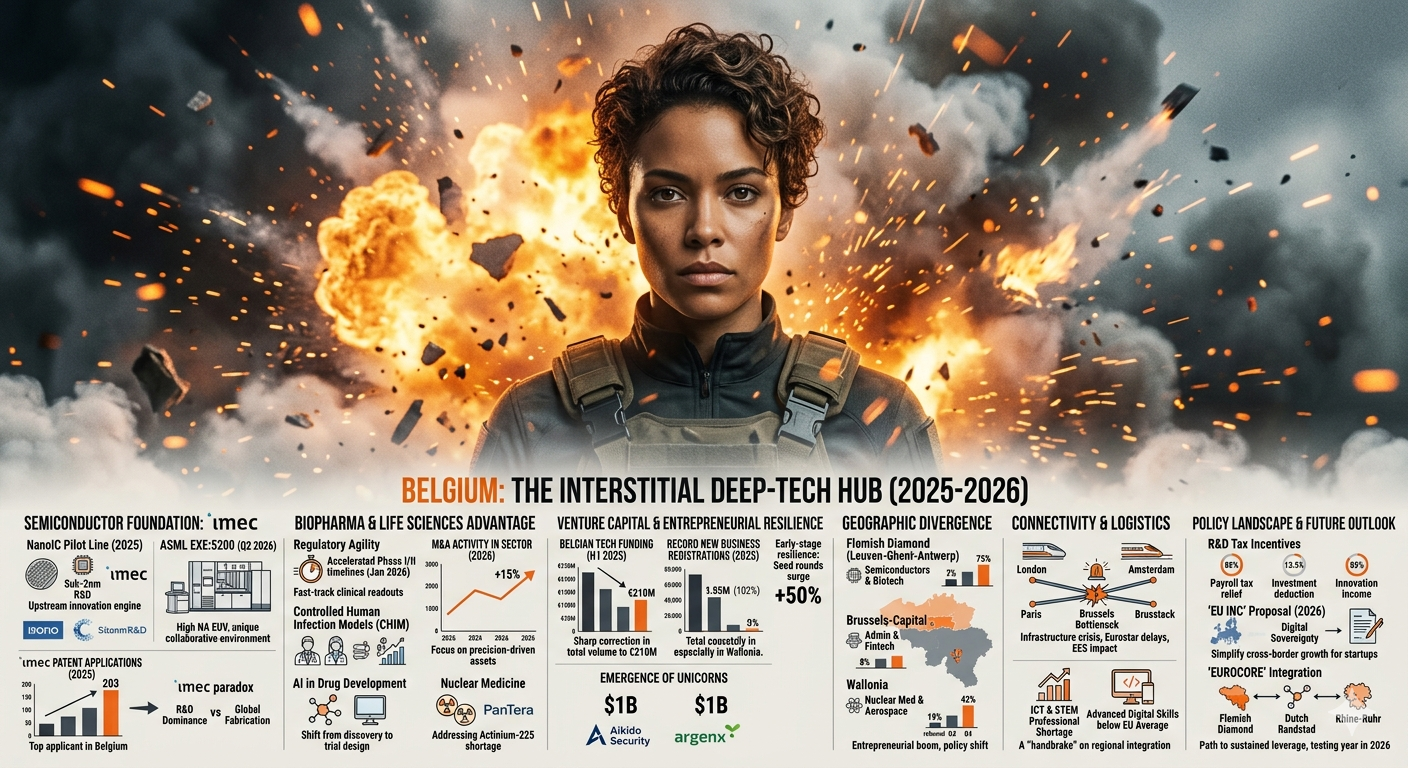
Table 5: Summary of Belgian R&D Tax Incentives (2025-2026)
Scheme | Benefit Type | Rate/Detail | Strategic Purpose |
Payroll Tax Incentive | Withholding Tax Recovery | 80% for researchers/academics | Reduces the cost of high-level human capital. |
Investment Deduction | Corporate Tax Relief | 13.5% (one-off) or 20.5% (spread) | Encourages capital expenditure in R&D assets. |
Innovation Income Deduction | Patent Box | 85% of net qualifying income | Incentivizes the domestic commercialization of IP. |
Regional Grants | Direct Funding | Project-based, peer-reviewed | Supports risky, early-stage research in Flanders/Wallonia. |
The integration of these fiscal tools with regional strategy is most visible in the "Flemish AI Plan" and the "Digital Wallonia" strategy. Both regions have committed substantial funding to AI research and the integration of digital technologies into public services. However, the decentralization of these responsibilities means that Belgium often presents a "fragmented" face to international investors. While the federal government handles tax and competition policy, the regions control the direct R&D funding, creating a complex landscape that requires "one-stop-shop" initiatives like the Walloon "coupole" to simplify for SMEs.
Academic Spin-offs and the "Eurocore" Concept
The long-term sustainability of the Belgian tech ecosystem is tied to its world-class universities, particularly KU Leuven and UGent. KU Leuven consistently ranks as Europe’s most innovative university, according to Reuters, and its tech transfer office (LRD) has supported the creation of more than 180 spin-off companies. The "Gemma Frisius Fund," a seed capital fund for KU Leuven spin-offs, provides the necessary early-stage financing to de-risk technological breakthroughs before they reach the venture capital market.
This academic excellence is a core component of the "Eurocore" concept—a spatial economic region that includes the "Flemish Diamond," the Dutch Randstad, and the German Rhine-Ruhr area. The Benelux countries are increasingly working together to treat this region as a unified digital laboratory. During meetings in late 2025, digital directors from Belgium, the Netherlands, and Luxembourg agreed to collaborate on "digital sovereignty" and the creation of a cross-border digital identity card for businesses. This cooperation aims to reduce dependence on major foreign tech companies and better control regional digital infrastructure and data.
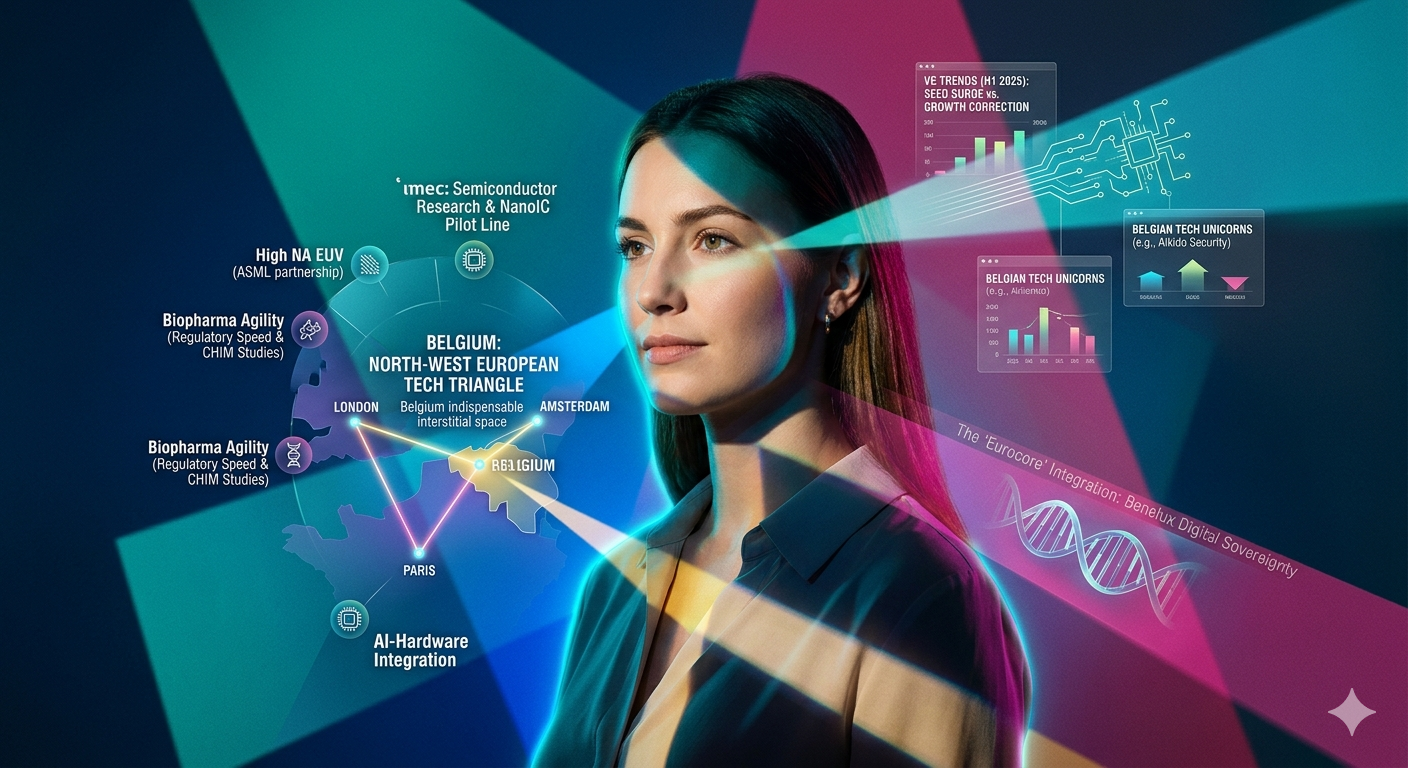
Table 6: Comparative Innovation Cluster Performance (2025)
Cluster Name | Primary Hub City | Core Strength | Strategic Role |
Flemish Diamond | Leuven / Ghent | Semiconductors & Biotech | The R&D engine of the Eurocore. |
Dutch Randstad | Amsterdam / The Hague | Logistics & AI Talent | The "Spinoff Factory" of Europe. |
Brussels-Capital | Brussels | Admin & Fintech | The regulatory and connective node. |
Walloon Technology Clusters | Liège / Charleroi | Nuclear Med & Aerospace | Specialized industrial-innovation hubs. |
The "Eurocore" vision is supported by events like Tectonic, which has emerged as a critical meeting point for founders and investors across the Benelux region. For Luxembourg, Tectonic offers access to Belgium’s dense networks of experimental tech talent, while Belgian founders gain access to Luxembourg’s structured pathways for scaling and its financial expertise in fintech and space tech. This "tectonic" shift toward regional rather than national innovation models is a pragmatic response to the dominance of the London and Paris hubs.
Conclusion: Strategic Synthesis and Future Outlook
Belgium’s position in the 2025-2026 high-tech landscape is defined by a successful transition into a mature, specialized ecosystem. While the country faces a significant cooling of late-stage venture capital, its command over foundational technologies—semiconductors via imec, nuclear medicine via PanTera, and enterprise AI via firms like Aikido Security—ensures its long-term relevance. The "Belgium 2025 Digital Decade Country Report" highlights that the nation is a leader in cybersecurity and online public services, yet it must address persistent gaps in fiber-to-the-premises (FTTP) coverage and the shortage of advanced digital professionals if it is to fully capture the benefits of the digital transition.
The strategic path forward for Belgium lies in deepening the "Eurocore" integration. By aligning its world-class R&D infrastructure with the capital markets of Luxembourg and the logistics power of the Netherlands, Belgium can mitigate its lack of domestic scale. Furthermore, the move toward "EU Inc" and the uniform implementation of digital regulations across the Benelux region will provide the clarity needed for Belgian startups to scale into global champions. As the "administrative heart" of the EU, Belgium is uniquely positioned to lead the push for European technological sovereignty, provided it can navigate the logistical strains on its cross-border corridors and resolve the internal frictions of its decentralized federal system. The year 2026, with the leadership transition at imec and the full implementation of the NanoIC pilot line, will serve as the definitive test of whether Belgium can convert its R&D dominance into sustained, strategic leverage.
The Real Startup Playbook: Ideas, Growth, Funding, and Founder Psychology
Building a startup is exciting, chaotic, and often misunderstood. If you’ve ever wondered how founders actually validate ideas, find co-founders, raise funding, and survive the emotional rollercoaster, these articles explore the realities behind the startup world.
Start with How to Validate Your Startup Idea in 48 Hours for $0 to understand how founders test ideas quickly before wasting months building the wrong product. Once you have an idea, the next challenge is building it—From Idea to MVP: A Step-by-Step Guide for Solo Founder walks through the journey from concept to a real product.
Many founders struggle with partnerships and team decisions. Should your co-founder live in the same city? Explore Remote vs. Local: Does Your Co-Founder Need to Live in the Same City? and learn the risks hidden in partnerships in 5 Red Flags to Look for When Choosing a Startup Partner. If you’re searching for technical help, How to Find a Technical Co-Founder (Without a Six-Figure Salary) explains how founders actually do it.
The startup journey isn’t just about building products—it’s also about mindset and decision-making. Articles like Decision Fatigue: The Silent Startup Killer, Fear vs Logic: How Founders Actually Make Decisions, and How Overthinking Destroys Early Momentum reveal the psychological battles founders face behind the scenes.
Growth is another misunderstood part of startups. Learn why strategy matters more than hype in Ideas Don’t Scale. Systems Do. and why discipline matters in Why Your Startup Doesn’t Need Growth — It Needs Focus. Discover the importance of early traction in How the First 100 Users Decide Your Startup’s Fate and understand team building through The First Hire That Actually Matters.
Funding is often romanticized, but reality is more complex. Why First-Time Founders Should Avoid Big Funding challenges common assumptions about venture capital, while Revenue Solves More Problems Than Funding explains why sustainable businesses matter more than investor money.
The startup ecosystem also varies by geography. If you're curious about India’s startup scene, explore The New Playbook for Raising in Bangalore, Why Raising Pre-Seed in Bangalore Is Harder Than Ever, and Why B2B SaaS from Bangalore Scales Faster.
But startups are not just about strategy and growth—they’re also about people and emotions. Articles like The Hidden Burnout of Bangalore Founders, Comparison Culture in India’s Startup, and The Loneliness of First-Time Founders in Bangalore reveal the personal struggles founders rarely talk about publicly.
And finally, if you want a deeper perspective on the startup journey itself, explore Lessons Learned Too Late by First-Time Founders and The Myth of the “Overnight Success” Startup—because the truth behind startup success is far more complex than it appears.
Want to calculate the equity for your cofounder?
Nail your cap table before you sign. Whether you're splitting equity with a co-founder or planning your next funding round, our Equity Calculator gives you precision in seconds
Equity calculator →