The Loneliness of First-Time Founders in Bangalore
March 8, 2026 by Harshit Gupta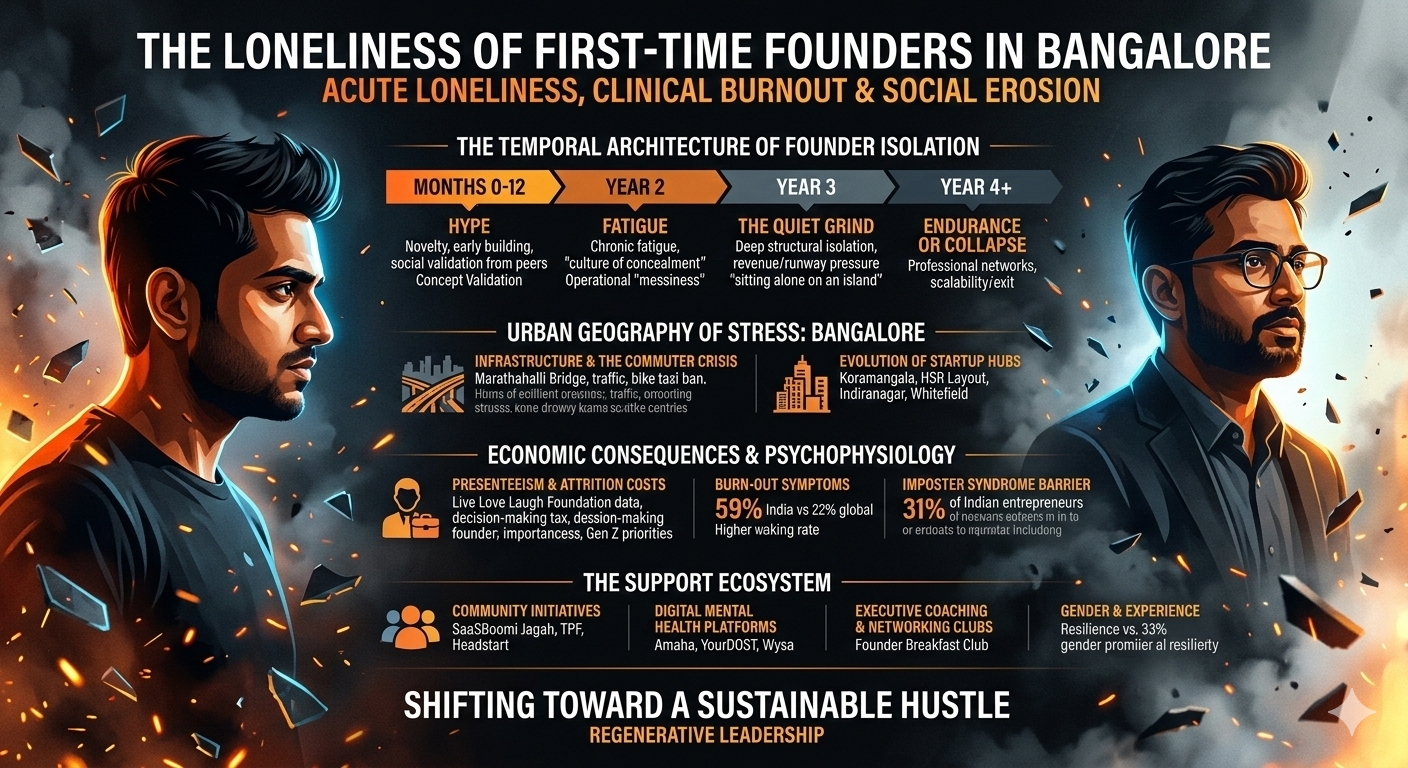
The entrepreneurial narrative in Bangalore is frequently articulated through the language of venture capital, hockey-stick growth curves, and the metamorphosis of the city into a global technology capital. However, beneath the glossy exterior of "Unicorn" status and high-decibel funding announcements lies a profound and systemic psychological crisis characterized by acute loneliness, clinical burnout, and social erosion among first-time founders. As the city maintains its position as arguably the third most significant startup ecosystem in the world, the human cost of this rapid evolution remains largely unquantified in traditional economic metrics, yet it manifests as a significant "existential tax" paid by those attempting to build from the ground up. The following analysis explores the multi-dimensional nature of founder loneliness in Bangalore, examining its temporal architecture, urban drivers, and the burgeoning support infrastructure emerging to mitigate this silent collapse.
The Temporal Architecture of Founder Isolation
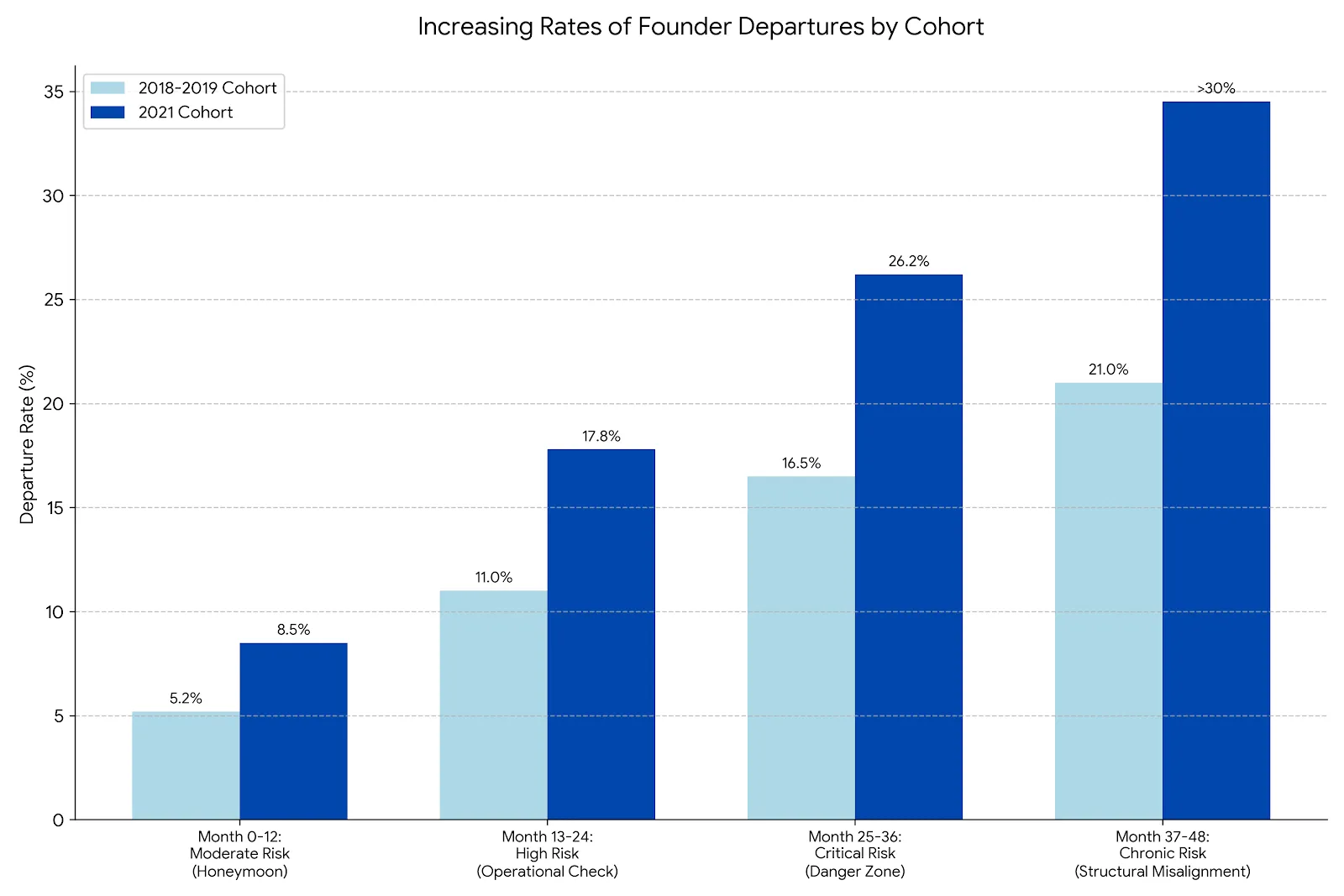
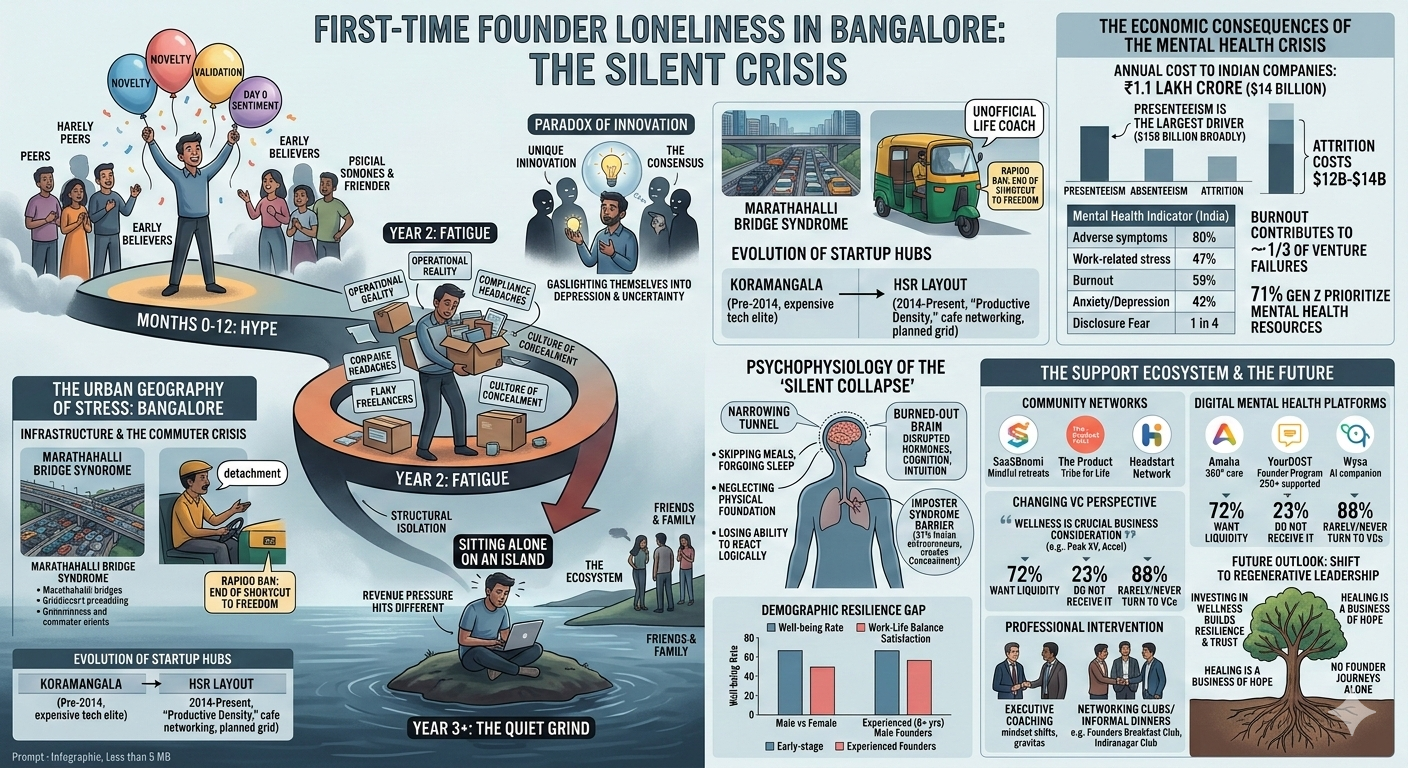
The psychological journey of a first-time founder is rarely a static state of stress; rather, it follows a predictable and increasingly isolating temporal trajectory. Evidence from personal accounts and community discussions indicates that the emotional state of a founder undergoes a radical shift over a three-year cycle. During the initial six to twelve months, the experience is typically characterized by "hype." This period is fueled by the novelty of the venture, the adrenaline of early building, and a high degree of social validation from friends, family, and the broader ecosystem. At this stage, the founder is often surrounded by early believers, and the "Day 0" sentiment provides a psychological buffer against the inherent risks of the startup journey.
As the venture enters its second year, the initial excitement is frequently replaced by "fatigue". The complexity of operational reality—managing "compliance headaches," dealing with "flaky freelancers," and navigating the first significant pivots—begins to weigh on the founder’s cognitive resources. It is during this phase that the "culture of concealment" often takes root; the founder feels an increasing pressure to project an image of unshakeable confidence to employees and investors, even as internal doubts begin to proliferate.
By the third year, the journey often descends into a "quiet grind". This is the critical juncture where social isolation becomes structural. Friends and acquaintances, who may have been enthusiastic supporters during the launch phase, often stop asking about the startup as the novelty fades, leading to a sense that the founder is "sitting alone on an island". The revenue pressure at this stage "hits differently," as the venture moves beyond experimental curiosity and into the grim necessity of sustainability. For solo founders, this isolation is exacerbated by the total burden of responsibility; if there is a failure in the chain, the founder is the sole party held accountable, creating a psychological "island" with no apparent escape.
Stage of Journey | Primary Emotional State | Social Network Engagement | Critical Pressure Point |
Months 0-12 | Hype and Adrenaline | High: Peers and early believers | Concept validation |
Year 2 | Chronic Fatigue | Moderate: Friends stop asking | Operational "messiness" |
Year 3 | The Quiet Grind | Low: Deep structural isolation | Revenue and runway |
Year 4+ | Endurance or Collapse | Professional: Peer-only networks | Scalability and exit |
The mechanism of this isolation is partly rooted in the "paradox of innovation." To be a founder is to see the world in a fundamentally unique way, a trait that inherently distances the individual from the consensus reality of their social circle. When surrounded by people who cannot perceive the vision, it becomes easy for the founder to "gaslight themselves" into depression and uncertainty. The sensation of being "right too early" is often indistinguishable from being "wrong," creating a state of intellectual isolation where the founder feels entirely alone in their conviction while the rest of the world appears to doubt their path.

The Urban Geography of Stress: Bangalore as a Catalyst for Burnout
The specific urban environment of Bangalore serves as a powerful catalyst for the burnout and isolation reported by its founder population. While the city's climate and cosmopolitan culture are frequently cited as benefits, the infrastructure reality creates a state of "deep, collective burnout". The city’s reputation for "hustle culture" is increasingly viewed not as a badge of honor, but as a symptom of a workforce surviving on "caffeine, wifi drops, and a distant dream of work-life balance".
Infrastructure and the Commuter Crisis
The phenomenon described as "Marathahalli Bridge Syndrome" serves as a metaphor for the city’s notorious traffic congestion, where professionals spend more time in transit than in their own homes. For a founder, whose time is their most precious resource, this loss of hours to the "bridge" represents a direct erosion of the mental space required for strategic thinking and personal reintegration. The "commuter chaos" is further exacerbated by the difficulty of securing transportation after 6 PM, a challenge that satirically positions auto drivers as "unofficial life coaches" who teach residents the art of "rejection, negotiation, and detachment".
The recent regulatory ban on bike taxis, specifically Rapido, has been likened to the "fall of an empire". For many in the startup ecosystem, bike taxis were a "shortcut to freedom" and a vital saviour in a city paralyzed by gridlock. Their removal has not only increased commute times but has also eliminated a key coping mechanism for the time-starved founder, further entrenching the sense of being "trapped" within the urban grind.
The Evolution of Startup Hubs: From Koramangala to HSR Layout
The geography of the Bangalore startup scene has evolved in response to these urban stressors. Koramangala, traditionally the city's startup center, became prohibitively expensive by the mid-2010s, with residential costs ranging from ₹30,000 to ₹40,000 monthly, leaving little budget for business development. This economic pressure triggered a migration to HSR Layout, which by 2014 was recognized as the city's first officially planned startup hub.
HSR Layout’s development on reclaimed land from Agara Lake facilitated a unique form of "productive density". This urban planning concept allowed founders to build their lives where they worked, creating an integrated social-professional lifestyle that reduced the "urban survival" stress of more fragmented neighborhoods. The concentration of co-working spaces and "tech-savvy" crowds in HSR Layout’s Sector 7 created a community where networking occurred organically in street-side cafes and manicured parks. For the first-time founder, this proximity provided an informal support system where business plans were often sketched on napkins during shared meals, countering the isolation of the "solo grind".
Neighborhood | Era of Dominance | Primary Driver of Migration | Socio-Professional Character |
Koramangala | Pre-2014 | Early ecosystem adoption | Expensive, high-density tech elite |
HSR Layout | 2014-Present | Affordability and grid-based planning | "Productive density," cafe networking |
Indiranagar | Ongoing | Elite lifestyle and "Club" culture | Mature founders, high-end dinners |
Whitefield | Ongoing | Large-scale tech parks | Corporate-heavy, satellite hub |
The social life in HSR Layout is characterized by a "multilingual, cosmopolitan" identity, where Kannada, Telugu, Tamil, Hindi, and English are commonly used. This cultural diversity allows founders to integrate into a social circle that is not exclusively defined by professional "molds," potentially offering a buffer against the mono-dimensional identity of the "founder".
The Economic Consequences of the Silent Mental Health Crisis
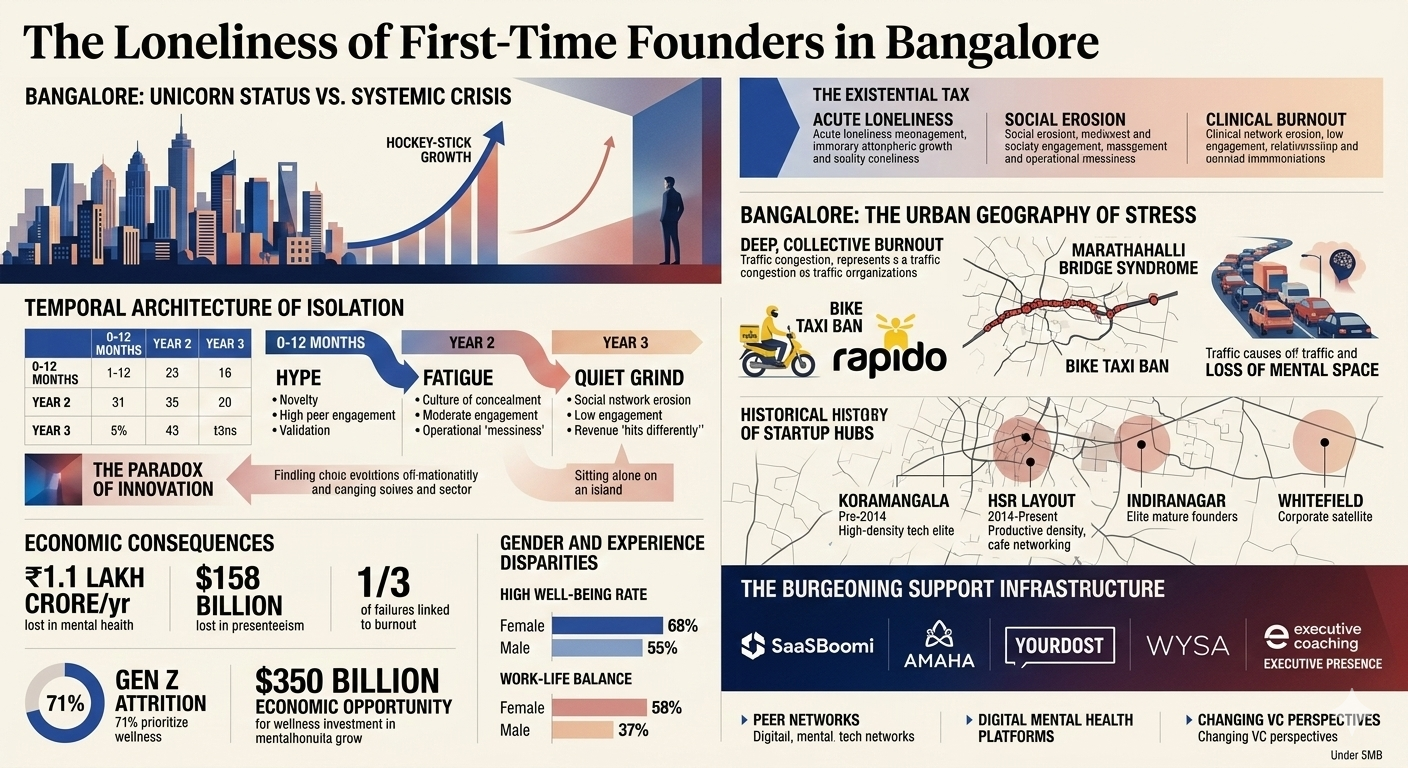
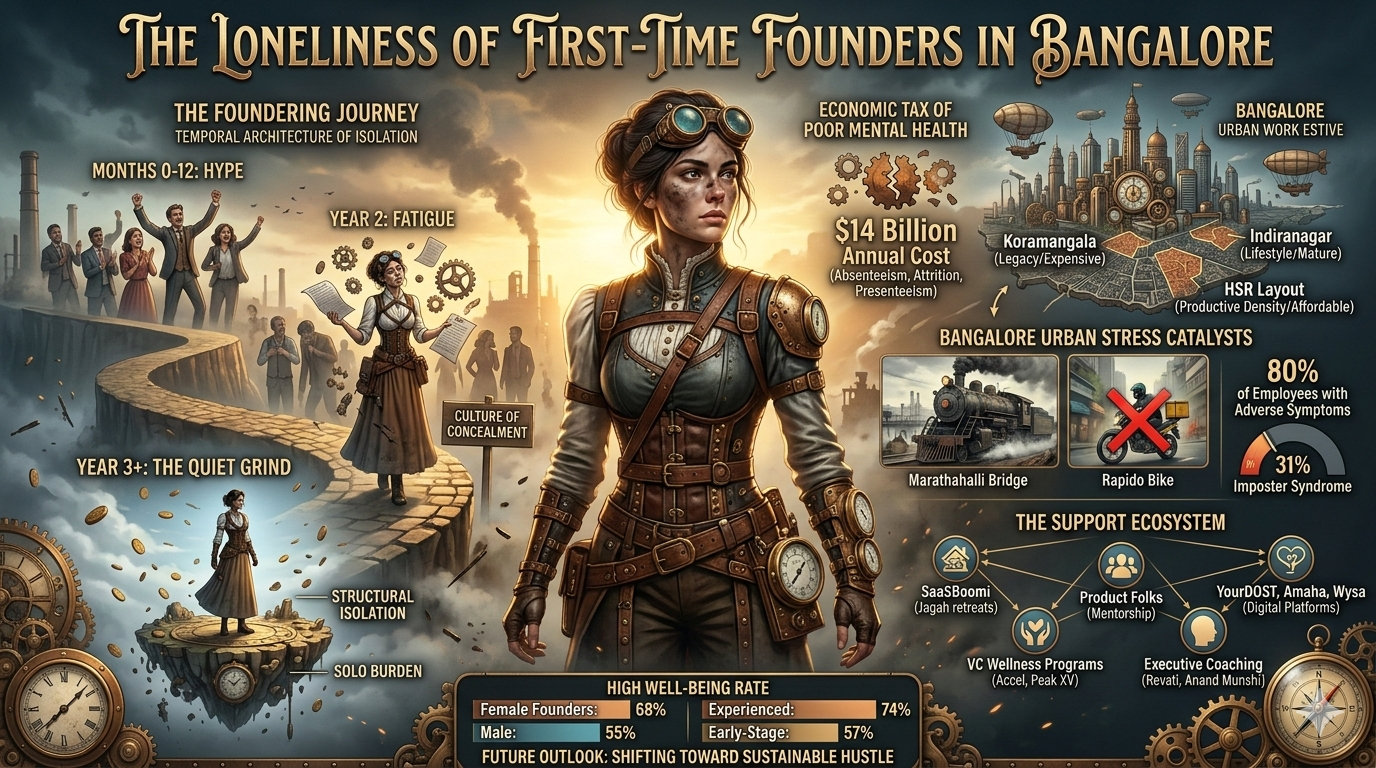
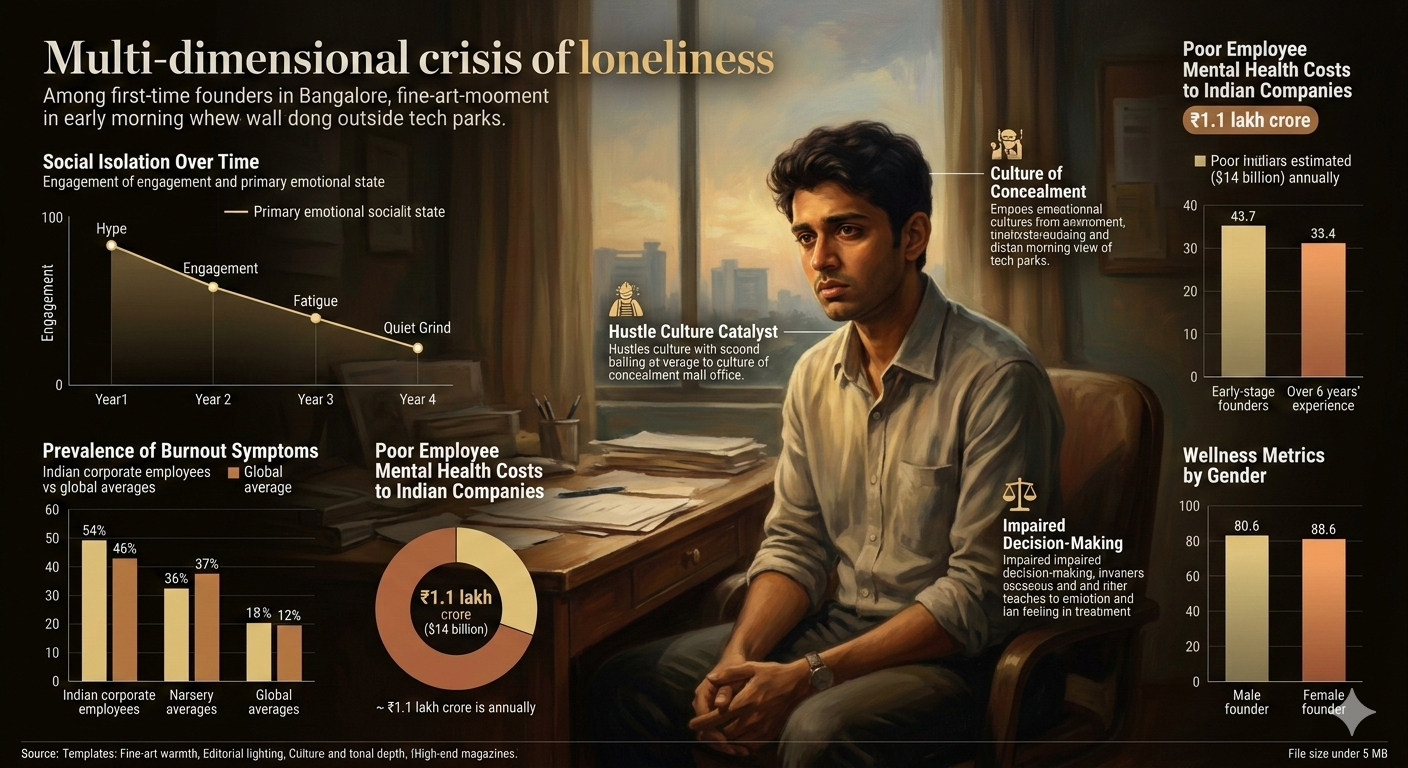
The mental health struggles of founders and their employees are not merely personal issues; they represent a systemic economic risk to the Indian startup ecosystem. Data from the Live Love Laugh Foundation indicates that poor employee mental health costs Indian companies an estimated ₹1.1 lakh crore ($14 billion) annually. This figure is driven by three primary economic levers: attrition, absenteeism, and presenteeism.
Presenteeism and the Decision-Making Tax
Presenteeism—the phenomenon of employees working while ill or mentally unwell—is the largest driver of economic loss, totaling up to $158 billion annually for the broader Indian economy. For startup founders, presenteeism manifests as "impaired decision-making". An anxious or burnt-out founder may hesitate to take necessary risks, struggle with team management, or communicate poorly with investors, all of which can lead to venture failure. Burnout among startup founders is cited as a contributing factor in nearly one-third of all venture failures.
Attrition and Talent Attraction
Mental health-related attrition costs the Indian corporate sector between $12 billion and $14 billion annually. In the hyper-competitive Bangalore talent market, 71% of Gen Z professionals prioritize mental health resources when evaluating potential employers. Startups that fail to foster a "psychologically safe" work environment risk high turnover rates, which are particularly costly for early-stage companies where institutional knowledge is concentrated in a few key individuals.
Mental Health Indicator (India) | Statistical Prevalence | Economic/Organizational Impact |
Adverse Mental Health Symptoms | 80% of employees | Widespread productivity loss |
Work-Related Stress Attribution | 47% of workforce | High burnout and turnover risk |
Burnout Symptoms | 59% (vs 22% global) | India identifies as high-burnout hub |
Anxiety or Depression Symptoms | 42% of corporate employees | Impaired creativity and innovation |
Disclosure Fear (Silence Gap) | 1 in 4 employees | Underutilization of EAPs |
The macro-economic scale of the problem is significant. It is estimated that mental health conditions could cost the Indian economy $1.03 trillion between 2012 and 2030. Conversely, proactive investment in employee well-being could unlock an annual economic opportunity of $350 billion in India.
Psychophysiology and the "Silent Collapse" of the Founder
The phenomenon of founder burnout is increasingly understood not just as a mindset problem, but as a multi-dimensional breakdown of physiology and nervous-system regulation. As one analysis notes, "Burnout does not begin with exhaustion. It begins with the moment you stop hearing yourself". For first-time founders, the intense pressure of being the sole individual responsible for the "name on the cap table" leads to a state where quitting is not viewed as an option, forcing them to continue running on "fumes" long after their biological systems have begun to fail.
The Physiology of the "Narrowing Tunnel"
When a founder neglects their "physical foundation"—skipping meals, forgoing sleep, and minimizing movement—they enter a state described as a "tunnel that gets narrower and narrower". This physiological collapse alters hormonal balance, cognition, and intuition, leading to a "burned-out brain" that is less regulated and less capable of strategic vision. The "silent collapse" often happens months or years before the business actually fails, as the founder loses the ability to react logically to challenges or manage the team with empathy.
The Imposter Syndrome Barrier
Imposter syndrome affects approximately 31% of Indian entrepreneurs, with early-stage founders reporting significantly higher levels than their experienced counterparts. This internal conflict—where the founder feels like a "fraud" despite their achievements—contributes to a "culture of concealment". Founders often hide their struggles from investors out of a "fear of investor judgment," believing that disclosing mental health issues will jeopardize their funding. This concealment prevents them from accessing the very support systems that could prevent collapse.
Gender and Experience: Disparities in Resilience
The YourDOST "Emotional Wellbeing of Entrepreneurs 2024" report reveals significant differences in how various demographic groups within the founder population experience stress and wellbeing.
The Experience Premium
Wellness in the startup ecosystem appears to improve with experience. While only 57% of early-stage founders report high wellness, this figure rises to 74% for seasoned entrepreneurs with over six years of experience. Similarly, early-career satisfaction stands at 43%, compared to 59% for those who have navigated multiple startup cycles. This suggests that the "loneliness" and stress of the first-time founder are partly a result of a lack of historical perspective and established coping mechanisms.
The Gender Resilience Gap
A striking finding is that women founders in India appear to outperform their male counterparts in key emotional metrics. Women report significantly higher rates of work-life balance (58% vs. 37% for men) and emotional well-being (68% vs. 55%). This disparity may be due to a greater willingness among women to seek community support or a more proactive approach to setting boundaries between their personal and professional lives.
Demographic Variable | High Well-being Rate | Work-Life Balance Satisfaction |
Male Founders | 55% | 37% |
Female Founders | 68% | 58% |
Early-Stage Founders | 57% | 43% (Satisfaction) |
Experienced (6+ yrs) | 74% | 59% (Satisfaction) |
The Support Ecosystem: Peer Networks and the Role of VCs
Despite the challenges, Bangalore has seen the emergence of a robust ecosystem designed to mitigate the isolation of founders. This system operates across several layers: formal community initiatives, specialized mental health startups, and the evolving role of venture capital firms.
Community Initiatives: SaaSBoomi and Beyond
SaaSBoomi, a "pay-it-forward" community of over 6,000 founders, has been a leader in addressing founder well-being. Their "Jagah" initiative provides "mindful retreats and safe spaces" for founders to reflect and reset. Similarly, communities like "The Product Folks" (TPF) have grown from a single event in Bangalore to a community of over 100,000 members, providing a "tribe for life" through mentorship and networking. The Headstart Network Foundation remains one of the largest networks for early-stage startups, facilitating peer mentoring through initiatives like "Startup Saturdays" and "Cofounder Search Programs".
The Rise of Digital Mental Health Platforms
Bangalore is now considered India's "wellness innovation capital," combining tech talent with an increasing openness toward mental well-being. Startups such as Amaha (founded by Dr. Amit Malik), YourDOST, and Wysa (an AI-based mental health companion) are redefining how therapy and emotional support are delivered. Amaha’s 360° care model and YourDOST’s Founder Program, which has supported over 250 entrepreneurs, provide tools for resilience and emotional regulation that were previously unavailable to the founder population.
The Changing VC Perspective
There is an emerging shift among investors regarding the importance of founder wellness. Firms like Peak XV Partners (formerly Sequoia Capital India) and Accel are increasingly highlighting the human element of entrepreneurship. Peak XV’s Shailendra Singh notes that the journey of entrepreneurship is ultimately about "getting to know yourself" and understanding how a founder's "gifts turn into their blind spots". Some VCs have begun to offer mental health resources, such as access to therapists and coaches, as part of their investment packages, recognizing that a founder's well-being is a "crucial business consideration".
However, a significant gap remains. While 72% of founders believe it is extremely important for investors to provide access to liquidity—which would reduce personal financial stress—23% do not receive such support, and 88% rarely or never turn to their investors for personal support.
Professional Intervention: The Role of Coaching and Mentorship
For many first-time founders in Bangalore, executive coaching has become a vital tool for navigating the transition from a technical expert to a leader of people. Specialized coaches in the city focus on "Executive Presence," "Mindset Shifts," and "Emotional Resilience".
Coaching for the "Founder Context"
Coaches like Kshitij Sharma and Anand Munshi facilitate the "unlocking of potential" by helping founders develop self-awareness and adaptability. These programs often focus on helping "reluctant technocrats" become "credible industry leaders" by grounding them in elements of executive presence like gravitas and communication. Other coaches, such as Revati, integrate "energy awareness" and mindset work to help founders release "limiting beliefs" and take aligned actions.
Networking Clubs and Informal Dinners
For founders who find large-scale networking events overwhelming, smaller, "founder-only" clubs have emerged. The "Founders Breakfast Club" in Indiranagar provides an exclusive environment for entrepreneurs to connect over breakfast and discuss strategies in a supportive atmosphere. Similarly, the "staaake Global Dinner Club" offers a more intimate setting for founders and creators to share experiences, away from the presence of service providers or investors. These venues, along with historic institutions like the Indiranagar Club, provide the "sense of belonging" that is often missing in the digital-first world of startup building.
The Future Outlook: Shifting Toward a Sustainable Hustle
The narrative of "hustle culture" in Bangalore is reaching a tipping point. The viral post by Karan Raghani, which declared "Bengaluru is burnt out," resonated with thousands of professionals because it articulated a collective exhaustion that had long been suppressed. The flood of comments on social media revealed a deep "yearning for the Bengaluru that once was"—green, slow, and fan-less—and a quiet call for a more sustainable version of the city's future.
From "Heroic" to "Regenerative" Leadership
The next stage of evolution for the Bangalore ecosystem may lie in the shift from "heroic" leadership—characterized by concealment, excessive grinding, and the neglect of the self—to "regenerative" leadership. This model recognizes that a founder’s mental health is a strategic imperative and that investing in wellness builds the resilience and trust necessary for long-term success. As the ecosystem matures, the "loneliness" of the first-time founder will increasingly be addressed not as an unavoidable feature of the journey, but as a manageable risk that requires collective community action, investor alignment, and professional support.
In a city that has given birth to unicorns and redefined global tech markets, the ultimate innovation may be the creation of a culture of care—where healing is seen as a "business of hope" and where no founder has to journey alone. The silent crisis behind Bangalore's success stories is finally being heard, and the response from its founders, investors, and communities will determine the long-term sustainability of the Silicon Valley of India.

Read More -
1. From Idea to MVP: A Step-by-Step Guide for Solo Founder
🔗 https://findnstart.com/blogs/from-idea-to-mvp-a-step-by-step-guide-for-solo-founder
2. How to Validate Your Startup Idea in 48 Hours for $0
🔗 https://findnstart.com/blogs/how-to-validate-your-startup-idea-in-48-hours-for-0
3. Remote vs. Local: Does Your Co-Founder Need to Live in the Same City?
🔗 https://findnstart.com/blogs/remote-vs-local-does-your-co-founder-need-to-live-in-the-same-city
4. The 2026 Startup Landscape: What Has Fundamentally Changed (and Why Founder Skills Matter More Than Ever)
5. The Most In-Demand Skills for Startup Founders in 2026
🔗 https://findnstart.com/blogs/the-most-in-demand-skills-for-startup-founders-in-2026
6. How to Find a Technical Co-Founder (Without a Six-Figure Salary)
🔗 https://findnstart.com/blogs/how-to-find-a-technical-co-founder-without-a-six-figure-salary
7. 5 Red Flags to Look for When Choosing a Startup Partner
🔗 https://findnstart.com/blogs/5-red-flags-to-look-for-when-choosing-a-startup-partner
8. How to Pitch Your Idea to Potential Co-Founders
🔗 https://findnstart.com/blogs/how-to-pitch-your-idea-to-potential-co-founders
9. How to Build a Portfolio that Attracts High-Growth Startup Founders
🔗 https://findnstart.com/blogs/how-to-build-a-portfolio-that-attracts-high-growth-startup-founders
10. Equity vs. Salary: How to Split Ownership with Your First Teammate
🔗 https://findnstart.com/blogs/equity-vs-salary-how-to-split-ownership-with-your-first-teammate
11. Why Joining an Early-Stage Startup is Better Than a Corporate Job
🔗 https://findnstart.com/blogs/why-joining-an-early-stage-startup-is-better-than-a-corporate-job
12. The Future of EdTech: Why Developers and Educators Need to Team Up Now
🔗 https://findnstart.com/blogs/the-future-of-edtech-why-developers-and-educators-need-to-team-up-now
13. The Architecture of Symbiosis: Analytical Perspectives on the Five Habits of Successful Startup Duos
14. Finding a Co-Founder in the AI Space: What Skills Should You Look For?
🔗 https://findnstart.com/blogs/finding-a-co-founder-in-the-ai-space-what-skills-should-you-look-for
15. Overcoming Analysis Paralysis and the Strategic Path to Execution
🔗 https://findnstart.com/blogs/overcoming-analysis-paralysis-and-the-strategic-path-to-execution
16. From College Project to Company: How to Find Your Student Co-Founder
🔗 https://findnstart.com/blogs/from-college-project-to-company-how-to-find-your-student-co-founder
17. How to Start a Startup While Working a Full-Time Job
🔗 https://findnstart.com/blogs/how-to-start-a-startup-while-working-a-full-time-job
18. How to Build a HealthTech Startup Without a Medical Degree
🔗 https://findnstart.com/blogs/how-to-build-a-healthtech-startup-without-a-medical-degree
19. The Solitary Architect: Executive Isolation in Entrepreneurship
20. The 2026 Guide to Launching a SaaS as a Solo Developer
21. What Sustainable Growth Actually Looks Like
🔗 https://findnstart.com/blogs/what-sustainable-growth-actually-looks-like
22. The Early Warning Signs Your Startup Is in Trouble
🔗 https://findnstart.com/blogs/the-early-warning-signs-your-startup-is-in-trouble
23. How to Grow Without Burning Out
🔗 https://findnstart.com/blogs/how-to-grow-without-burning-out
24. The Truth About “Runway” Most Founders Ignore
🔗 https://findnstart.com/blogs/the-truth-about-runway-most-founders-ignore
25. Revenue Solves More Problems Than Funding
🔗 https://findnstart.com/blogs/revenue-solves-more-problems-than-funding
26. What No One Tells You About Being a Solo Founder
🔗 https://findnstart.com/blogs/what-no-one-tells-you-about-being-a-solo-founder
27. Why Smart People Quit High-Paying Jobs to Build Startups (And Why Most Regret It)
28. Why Most Startup Advice on Twitter Is Dangerous
🔗 https://findnstart.com/blogs/why-most-startup-advice-on-twitter-is-dangerous
29. Decision Fatigue: The Silent Startup Killer
🔗 https://findnstart.com/blogs/decision-fatigue-the-silent-startup-killer
30. Fear vs Logic: How Founders Actually Make Decisions
🔗 https://findnstart.com/blogs/fear-vs-logic-how-founders-actually-make-decisions
31. How Overthinking Destroys Early Momentum
🔗 https://findnstart.com/blogs/how-overthinking-destroys-early-momentum
32. Ideas Don’t Scale. Systems Do.
🔗 https://findnstart.com/blogs/ideas-dont-scale-systems-do
33. The First Hire That Actually Matters
🔗 https://findnstart.com/blogs/the-first-hire-that-actually-matters
34. How the First 100 Users Decide Your Startup’s Fate
🔗 https://findnstart.com/blogs/how-the-first-100-users-decide-your-startups-fate
35. Why Your Startup Doesn’t Need Growth — It Needs Focus
🔗 https://findnstart.com/blogs/why-your-startup-doesnt-need-growthit-needs-focus
36. Why Most Startups Die Quietly
🔗 https://findnstart.com/blogs/why-most-startups-die-quietly
37. Lessons Learned Too Late by First-Time Founders
🔗 https://findnstart.com/blogs/lessons-learned-too-late-by-first-time-founders
38. The Myth of the “Overnight Success” Startup
🔗 https://findnstart.com/blogs/the-myth-of-the-overnight-success-startup
Protect Your Future: The Precision Vesting Calculator
Don't let a "handshake deal" complicate your exit. Map out your ownership journey with our Vesting Calculator
Calculate Your Vesting Schedule →