How to Find a Technical Co-Founder (Without a Six-Figure Salary)
February 23, 2026 by Harshit GuptaFinding a technical co-founder without offering a six-figure salary is not about convincing someone to work for free—it’s about creating a partnership that is compelling enough to justify shared risk and shared upside. Strong technical co-founders are not looking for jobs; they are looking for problems worth solving, people they trust, and opportunities where their effort meaningfully shapes the outcome. Your task is not to sell compensation, but to demonstrate that joining you is a rational and exciting bet

.
Start With Credibility, Not Code
Starting with credibility rather than code means proving that you are a serious founder worth partnering with before asking a technical co-founder to write a single line of code. Strong engineers are constantly approached by people with ideas, but ideas are cheap and execution risk is high. What technical co-founders look for first is evidence that you have done the uncomfortable, non-glamorous work: understanding the problem deeply, validating demand, and committing real effort without hiding behind “we’ll build it later.” Credibility signals that their time will not be wasted.
Credibility is built by reducing uncertainty. This includes having a clearly articulated problem rooted in real user pain, backed by customer interviews or direct experience. When you can explain who the user is, what they struggle with, how often it happens, and why existing solutions fail, you demonstrate product judgment. Even stronger is evidence of demand—waitlists, pre-sales, letters of intent, or users actively asking for a solution. These signals show that the problem exists independently of the technology and that the startup is responding to pull, not pushing an untested idea.
Equally important is demonstrating founder commitment. Technical co-founders want to see that you are already invested—emotionally, intellectually, and often financially. This may mean you’ve spent months researching the market, running experiments, building no-code prototypes, writing specs, or doing manual versions of the solution. It shows that you are willing to carry risk and do hard work before asking someone else to share it. A founder who waits for code before acting signals dependence; a founder who moves forward without code signals leadership.
Finally, credibility is about how you think and communicate. Clear reasoning, openness to feedback, and realistic expectations matter more than polish. Overconfidence, vague vision, or exaggerated claims are red flags. When you start with credibility, you position yourself as a peer, not a dreamer looking for free labor. This reframing transforms the conversation from “Can you build this for me?” into “Does this opportunity make sense for us to build together?”—which is the only framing that attracts strong technical co-founders.
Look in the Right Places (Not Job Boards)
Looking in the right places means understanding that true technical co-founders are rarely searching for jobs, so traditional job boards are the wrong channel for founder-level partnerships. Job boards optimize for employment relationships—clear pay, defined roles, and short-term risk—not shared ownership, ambiguity, and long-term commitment. When you post on a job board without a salary, you attract misaligned candidates or no one at all. Instead, you must go where builders already explore ideas, collaborate informally, and invest time in projects out of curiosity and ownership.
High-quality technical co-founders are often found in builder-first environments. These include indie hacker communities, open-source ecosystems, developer-focused Discords and Slack groups, hackathons, and technical meetups. In these spaces, people are already experimenting, sharing side projects, and discussing problems they care about. The goal is not to pitch immediately, but to participate—comment thoughtfully, help others, share insights, and build a reputation. Trust forms naturally when people see how you think and contribute over time, which makes later collaboration far more likely.
Open-source communities are particularly powerful because they reveal how someone works in the open. By observing contributors, you can evaluate technical skill, communication style, reliability, and values before ever proposing a partnership. Similarly, hackathons and startup weekends compress collaboration into a short time frame, allowing both sides to experience real decision-making, pressure, and execution. These environments surface compatibility far more effectively than interviews or resumes.
Warm introductions also outperform cold outreach. Friends, former colleagues, and community members can vouch for character and competence, reducing perceived risk on both sides. When you frame your search as “looking for a collaborator to explore a validated problem” rather than “hiring a developer,” you attract people who want ownership and impact. Finding a technical co-founder is less about broadcasting an opportunity and more about embedding yourself where builders already are—and earning trust through presence, contribution, and clarity.
Build Trust Before You Talk Equity
Building trust before talking about equity is critical because equity discussions only work when there is confidence in the people involved, not just excitement about the idea. Too many founder conversations fail because they jump straight to percentages and titles before answering the more important question: Can we actually work well together under uncertainty and pressure? Equity is a long-term commitment that ties two people’s time, reputation, and future together. Without trust, those conversations become speculative, defensive, or transactional—and strong technical co-founders will walk away early.
Trust is built through shared execution, not alignment in theory. Before discussing equity, work together on something small, real, and time-boxed: a prototype, a technical spike, a user interview synthesis, or a short MVP experiment. This kind of collaboration reveals far more than any conversation ever could. You learn how each other thinks, communicates, handles feedback, manages ambiguity, and follows through on commitments. Just as importantly, it allows both sides to evaluate motivation—who shows up prepared, who takes ownership, and who pushes the work forward without being chased.
This phase also creates psychological safety. When people collaborate before formal commitment, they feel freer to be honest about doubts, constraints, and expectations. A potential co-founder may discover that they don’t enjoy the problem space, or that the timing isn’t right—and that’s a good outcome early. Trust grows when both sides feel respected and unpressured, not rushed into a decision. Founders who push equity discussions too soon often signal insecurity or desperation, which undermines confidence rather than building it.
When trust is established through real work, equity discussions become calmer and more rational. The conversation shifts from “What do I get?” to “Does it make sense for us to build this together long-term?” At that point, equity feels like a natural extension of shared effort and ownership, not a negotiation between strangers. Strong technical co-founders don’t commit because the numbers look good on paper—they commit because trust has already been earned, and equity simply formalizes a partnership that already works in practice.
Offer Fair Equity, Not Optimistic Promises
Offering fair equity instead of optimistic promises is essential when you cannot pay a salary, because equity is not a motivational perk—it is the primary form of compensation and risk-sharing. Strong technical co-founders evaluate equity offers with a sober understanding of startup failure rates, opportunity cost, and long-term commitment. Vague assurances like “this could be huge,” “we’ll figure it out later,” or “you’ll get a lot if it works” signal inexperience and erode trust. Fair equity, on the other hand, communicates respect, realism, and seriousness about partnership.
Fair equity begins with acknowledging risk honestly. Early-stage startups are uncertain, and equity has no guaranteed value. Treating equity as if it is already worth millions undermines credibility. Instead, strong founders frame equity as shared ownership in an experiment—one where effort, time, and decision-making power are aligned with upside. This means offering a meaningful stake that reflects the technical co-founder’s role in building the core product, shaping architecture, and making foundational decisions. If someone is effectively acting as a co-founder, their equity should reflect that status, not resemble contractor-level compensation.
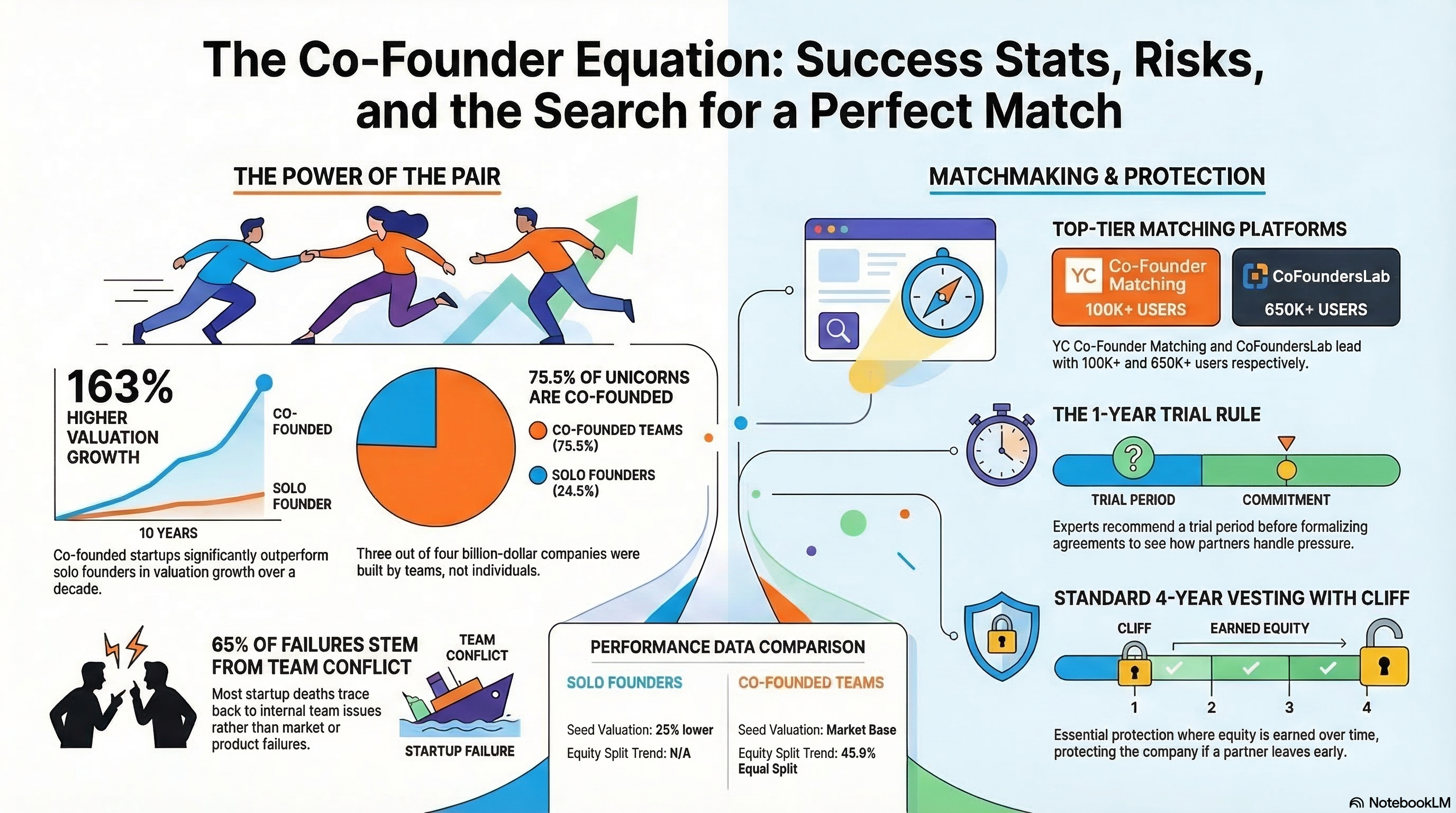
Clarity is just as important as generosity. Equity discussions should include explicit details about ownership percentages, vesting schedules, cliffs, dilution, and what happens if someone leaves. Vesting protects both sides: it ensures equity is earned over time and reduces fear of misalignment. Avoid deferring these conversations or keeping terms intentionally vague to “stay flexible.” Ambiguity benefits no one and often causes resentment later. Clear, written agreements early on demonstrate professionalism and long-term thinking.
Optimistic promises often fail because they substitute vision for structure. Vision matters, but structure is what makes collaboration sustainable. Technical co-founders are not persuaded by hype—they are persuaded by fairness, transparency, and thoughtful risk-sharing. When equity is framed realistically and offered respectfully, it becomes a signal of partnership rather than persuasion. In early startups, trust is built not by dreaming loudly, but by treating equity as what it truly is: a serious commitment that deserves honesty, precision, and mutual respect.
Show Long-Term Thinking
Showing long-term thinking is one of the strongest signals you can send to a potential technical co-founder because it demonstrates that you are building a company, not chasing a short-term idea. Technical co-founders are investing years of their lives, not just skills, and they want confidence that the person they partner with can think beyond the next feature, demo, or funding milestone. Long-term thinking shows maturity, patience, and an understanding that startups are marathons shaped by compounding decisions, not sprints fueled by hype.
Long-term thinking appears in how you talk about the problem and market. Instead of obsessing over quick wins or trends, you articulate why the problem will remain relevant, how the market may evolve, and where sustainable value can be created over time. You acknowledge uncertainty and competition without panic, and you show that you are prepared to adapt rather than cling rigidly to an initial plan. This perspective reassures technical partners that you will not overreact to short-term setbacks or chase every new idea at the expense of focus and stability.
It also shows up in how you approach people and decisions. Founders with long-term thinking care about relationship quality, trust, and fairness because they understand these compound over years. This includes thoughtful equity structures, realistic expectations about pace, and openness about personal goals and constraints. When you demonstrate that you are willing to make decisions that may slow things slightly today but protect the partnership and product tomorrow, you signal leadership rather than urgency-driven behavior.
Ultimately, long-term thinking is about responsibility under uncertainty. It tells a technical co-founder that you will make hard trade-offs thoughtfully, learn from mistakes, and prioritize integrity and resilience over shortcuts. In early-stage startups, where little is guaranteed, people commit not because the future is certain, but because they trust the judgment of the person steering the ship. Showing long-term thinking builds that trust and makes partnership feel like a rational, durable choice rather than a leap of faith.
Final Perspective
The final perspective when finding a technical co-founder without a six-figure salary is this: you are not recruiting talent, you are forming a partnership. This shift in mindset changes everything. Talented technical founders are not motivated by compensation packages or polished pitch decks; they are motivated by clarity, trust, and the sense that their effort will meaningfully shape the outcome. When you approach the search as a partnership problem rather than a hiring problem, your actions naturally align toward reducing risk, increasing transparency, and demonstrating long-term seriousness.
Strong technical co-founders say yes when uncertainty feels manageable and the upside feels fair. That means you must do the hard work first—validate the problem, understand the user deeply, think strategically, and communicate clearly. It also means being honest about what you know, what you don’t, and what could go wrong. Confidence without humility feels reckless; humility without conviction feels weak. The balance of both signals leadership. People are far more willing to take risk with someone who thinks clearly and behaves responsibly under uncertainty.
This perspective also protects you from rushing into the wrong partnership. Desperation is often invisible to the founder but obvious to others. When you slow down, collaborate before committing, and treat equity as a serious long-term agreement, you create space for genuine alignment to emerge—or for mismatches to surface early, when the cost of walking away is low. A bad co-founder relationship is far more damaging than moving forward alone for a while.
Ultimately, the goal is not to “convince” someone to join you. The goal is to build enough trust, clarity, and momentum that joining feels like the rational next step. When that happens, salary becomes secondary, equity feels earned, and the partnership begins on solid ground. In startups, the right partnership accelerates everything; the wrong one slows or destroys it. The final perspective is simple but demanding: build something worth partnering on, and partners will follow.
Read More
1. From Idea to MVP: A Step-by-Step Guide for Solo Founder
🔗 https://findnstart.com/blogs/from-idea-to-mvp-a-step-by-step-guide-for-solo-founder
2. How to Validate Your Startup Idea in 48 Hours for $0
🔗 https://findnstart.com/blogs/how-to-validate-your-startup-idea-in-48-hours-for-0
3. Remote vs. Local: Does Your Co-Founder Need to Live in the Same City?
🔗 https://findnstart.com/blogs/remote-vs-local-does-your-co-founder-need-to-live-in-the-same-city
4. The 2026 Startup Landscape: What Has Fundamentally Changed (and Why Founder Skills Matter More Than Ever)
5. The Most In-Demand Skills for Startup Founders in 2026
🔗 https://findnstart.com/blogs/the-most-in-demand-skills-for-startup-founders-in-2026
6. How to Find a Technical Co-Founder (Without a Six-Figure Salary)
🔗 https://findnstart.com/blogs/how-to-find-a-technical-co-founder-without-a-six-figure-salary
7. 5 Red Flags to Look for When Choosing a Startup Partner
🔗 https://findnstart.com/blogs/5-red-flags-to-look-for-when-choosing-a-startup-partner
8. How to Pitch Your Idea to Potential Co-Founders
🔗 https://findnstart.com/blogs/how-to-pitch-your-idea-to-potential-co-founders
9. How to Build a Portfolio that Attracts High-Growth Startup Founders
🔗 https://findnstart.com/blogs/how-to-build-a-portfolio-that-attracts-high-growth-startup-founders
10. Equity vs. Salary: How to Split Ownership with Your First Teammate
🔗 https://findnstart.com/blogs/equity-vs-salary-how-to-split-ownership-with-your-first-teammate
11. Why Joining an Early-Stage Startup is Better Than a Corporate Job
🔗 https://findnstart.com/blogs/why-joining-an-early-stage-startup-is-better-than-a-corporate-job
12. The Future of EdTech: Why Developers and Educators Need to Team Up Now
🔗 https://findnstart.com/blogs/the-future-of-edtech-why-developers-and-educators-need-to-team-up-now
13. The Architecture of Symbiosis: Analytical Perspectives on the Five Habits of Successful Startup Duos
14. Finding a Co-Founder in the AI Space: What Skills Should You Look For?
🔗 https://findnstart.com/blogs/finding-a-co-founder-in-the-ai-space-what-skills-should-you-look-for
15. Overcoming Analysis Paralysis and the Strategic Path to Execution
🔗 https://findnstart.com/blogs/overcoming-analysis-paralysis-and-the-strategic-path-to-execution
16. From College Project to Company: How to Find Your Student Co-Founder
🔗 https://findnstart.com/blogs/from-college-project-to-company-how-to-find-your-student-co-founder
17. How to Start a Startup While Working a Full-Time Job
🔗 https://findnstart.com/blogs/how-to-start-a-startup-while-working-a-full-time-job
18. How to Build a HealthTech Startup Without a Medical Degree
🔗 https://findnstart.com/blogs/how-to-build-a-healthtech-startup-without-a-medical-degree
19. The Solitary Architect: Executive Isolation in Entrepreneurship
20. The 2026 Guide to Launching a SaaS as a Solo Developer
21. What Sustainable Growth Actually Looks Like
🔗 https://findnstart.com/blogs/what-sustainable-growth-actually-looks-like
22. The Early Warning Signs Your Startup Is in Trouble
🔗 https://findnstart.com/blogs/the-early-warning-signs-your-startup-is-in-trouble
23. How to Grow Without Burning Out
🔗 https://findnstart.com/blogs/how-to-grow-without-burning-out
24. The Truth About “Runway” Most Founders Ignore
🔗 https://findnstart.com/blogs/the-truth-about-runway-most-founders-ignore
25. Revenue Solves More Problems Than Funding
🔗 https://findnstart.com/blogs/revenue-solves-more-problems-than-funding
🆕 Newly Added Articles
26. What No One Tells You About Being a Solo Founder
🔗 https://findnstart.com/blogs/what-no-one-tells-you-about-being-a-solo-founder
27. Why Smart People Quit High-Paying Jobs to Build Startups (And Why Most Regret It)
28. Why Most Startup Advice on Twitter Is Dangerous
🔗 https://findnstart.com/blogs/why-most-startup-advice-on-twitter-is-dangerous
29. Decision Fatigue: The Silent Startup Killer
🔗 https://findnstart.com/blogs/decision-fatigue-the-silent-startup-killer
30. Fear vs Logic: How Founders Actually Make Decisions
🔗 https://findnstart.com/blogs/fear-vs-logic-how-founders-actually-make-decisions
31. How Overthinking Destroys Early Momentum
🔗 https://findnstart.com/blogs/how-overthinking-destroys-early-momentum
32. Ideas Don’t Scale. Systems Do.
🔗 https://findnstart.com/blogs/ideas-dont-scale-systems-do
33. The First Hire That Actually Matters
🔗 https://findnstart.com/blogs/the-first-hire-that-actually-matters
34. How the First 100 Users Decide Your Startup’s Fate
🔗 https://findnstart.com/blogs/how-the-first-100-users-decide-your-startups-fate
35. Why Your Startup Doesn’t Need Growth — It Needs Focus
🔗 https://findnstart.com/blogs/why-your-startup-doesnt-need-growthit-needs-focus
36. Why Most Startups Die Quietly
🔗 https://findnstart.com/blogs/why-most-startups-die-quietly
37. Lessons Learned Too Late by First-Time Founders
🔗 https://findnstart.com/blogs/lessons-learned-too-late-by-first-time-founders
38. The Myth of the “Overnight Success” Startup
🔗 https://findnstart.com/blogs/the-myth-of-the-overnight-success-startup
Want to calculate the equity for your cofounder?
Nail your cap table before you sign. Whether you're splitting equity with a co-founder or planning your next funding round, our Equity Calculator gives you precision in seconds
Equity calculator →