Why Belgium Is Becoming a Strategic Startup Hub in Europe
July 2, 2026 by Harshit Gupta
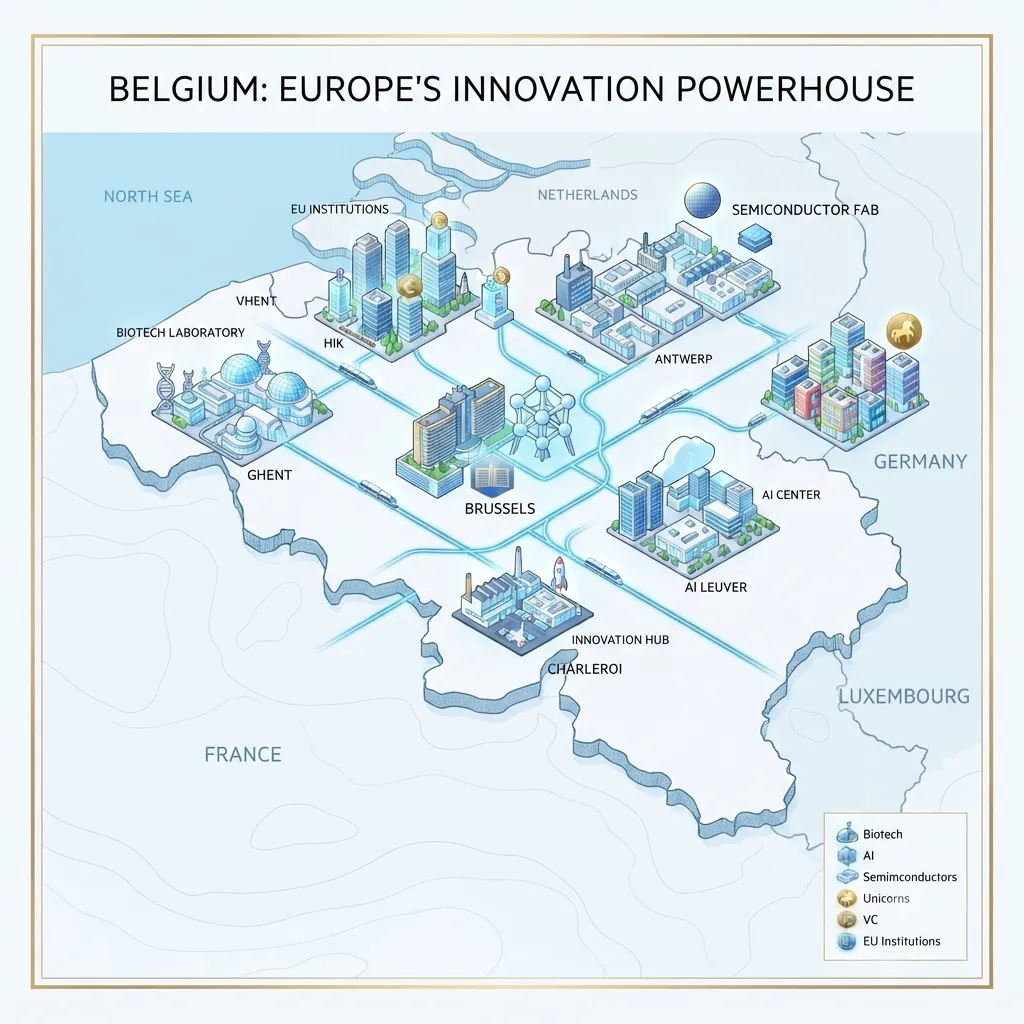
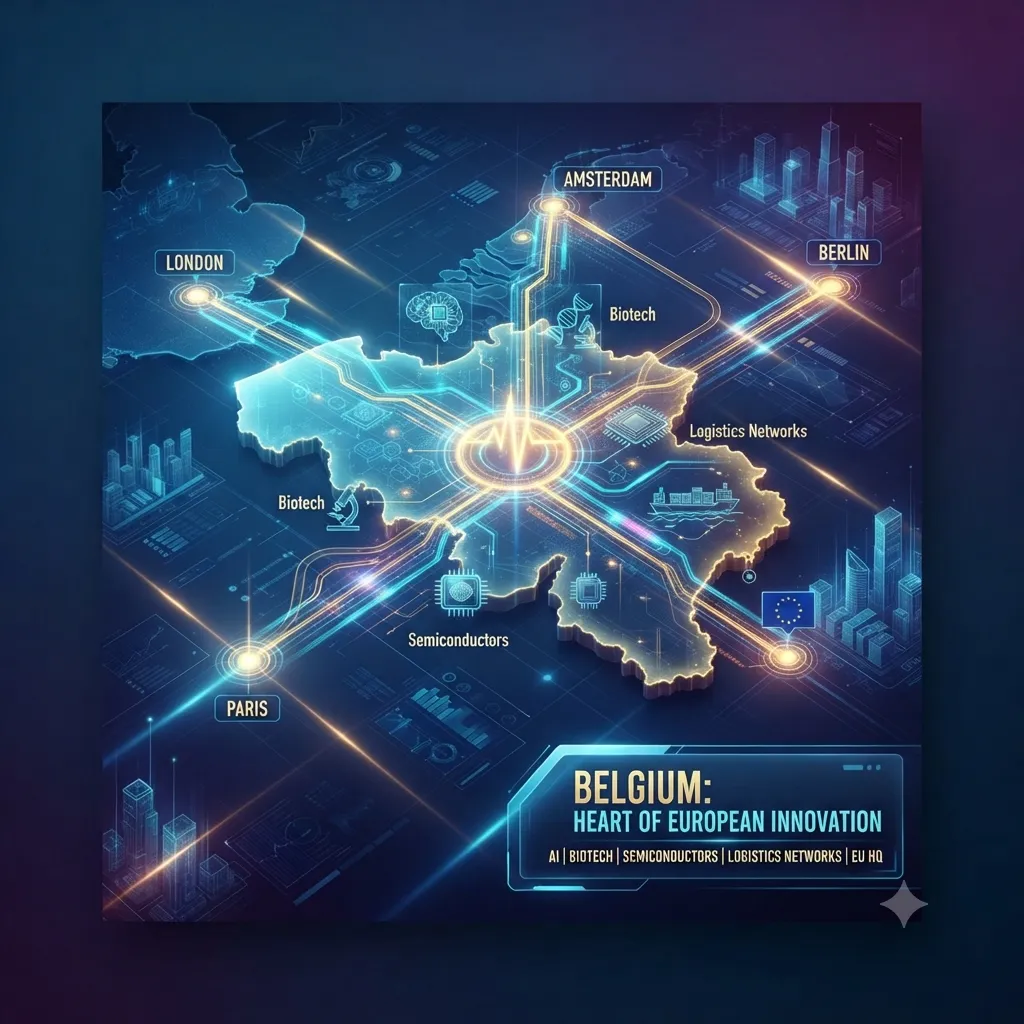
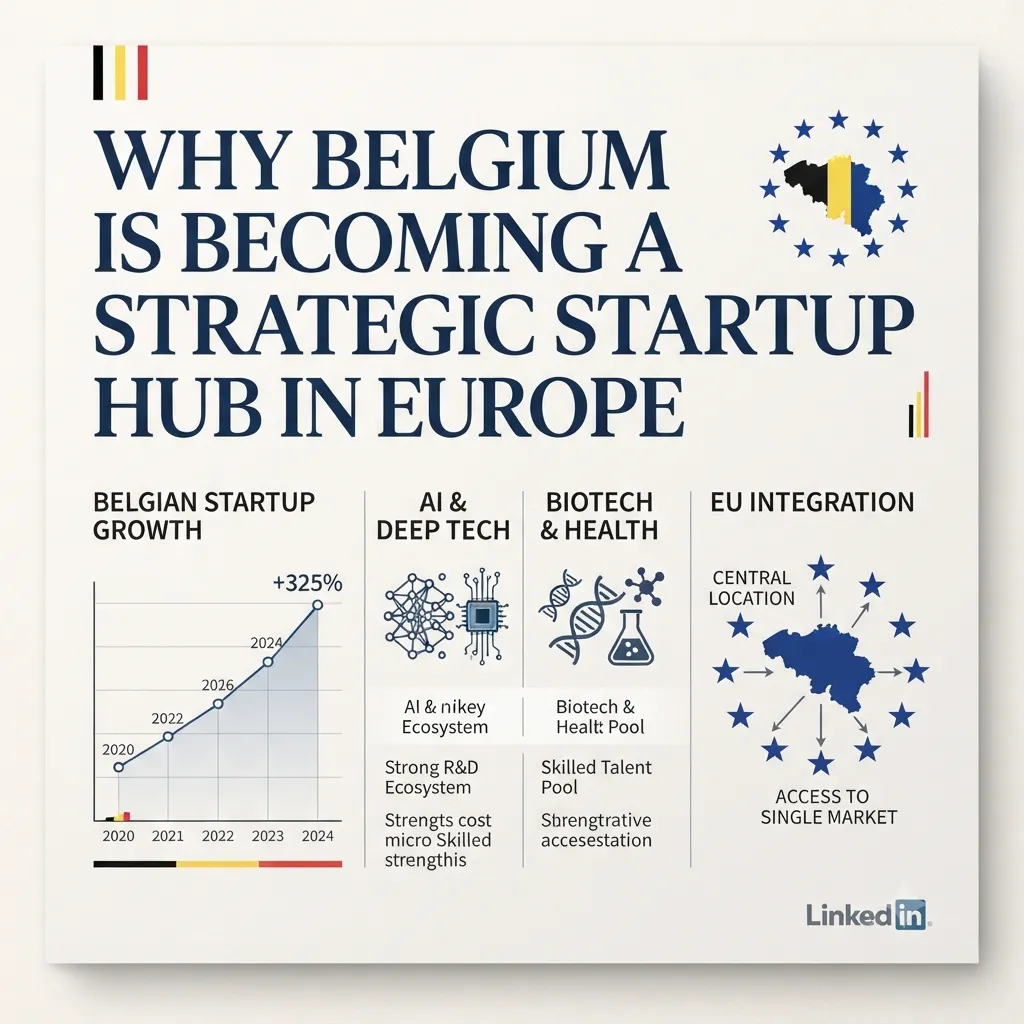
The European entrepreneurial landscape has traditionally been viewed through the prism of a few dominant geographic centers, primarily London, Paris, and Berlin. However, a significant reconfiguration of this geography is currently underway, with Belgium emerging as a remarkably resilient and strategically significant hub for high-growth ventures. Far from being merely a bureaucratic center for the European Union, Belgium has leveraged its unique position at the heart of Europe to cultivate a mature and stabilized startup ecosystem that punches far above its weight in sectors as diverse as biotechnology, artificial intelligence, and deep tech.
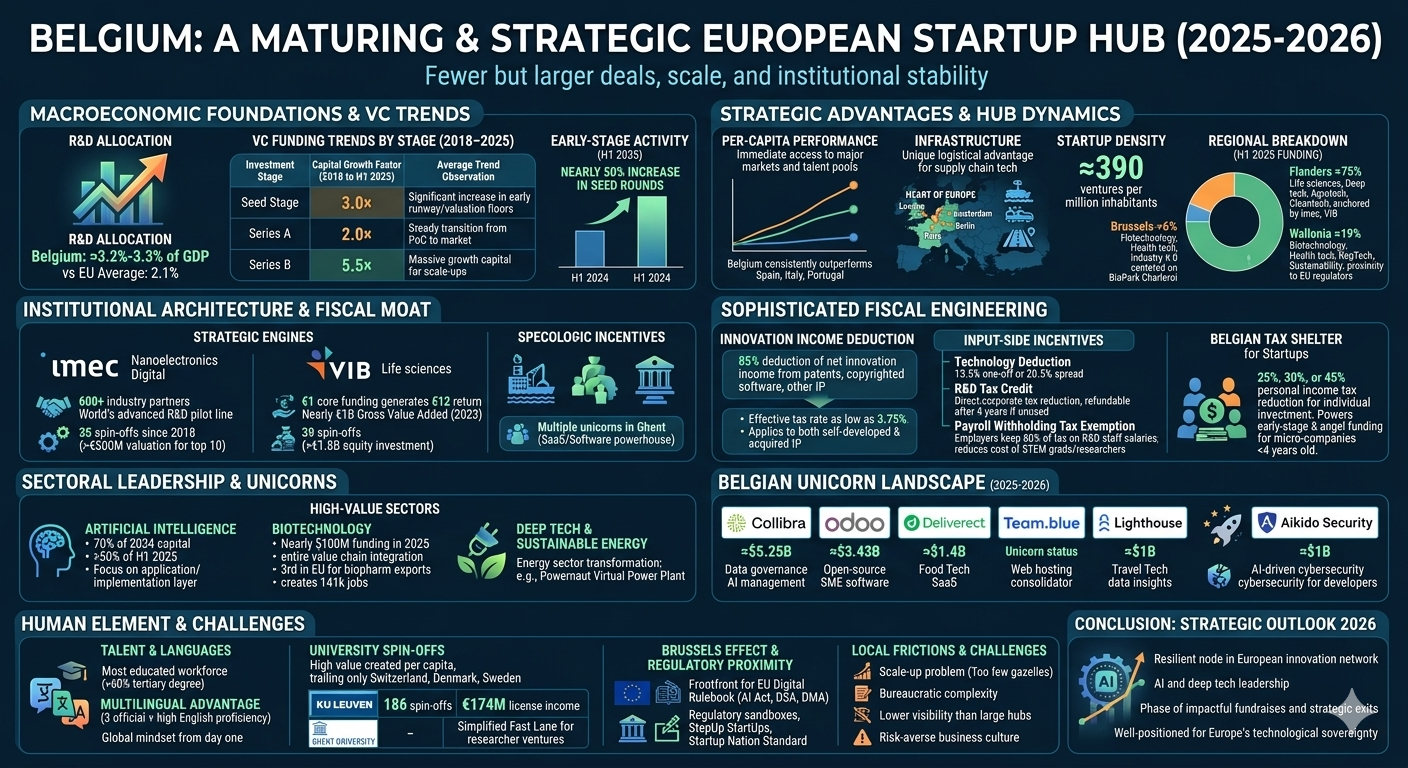
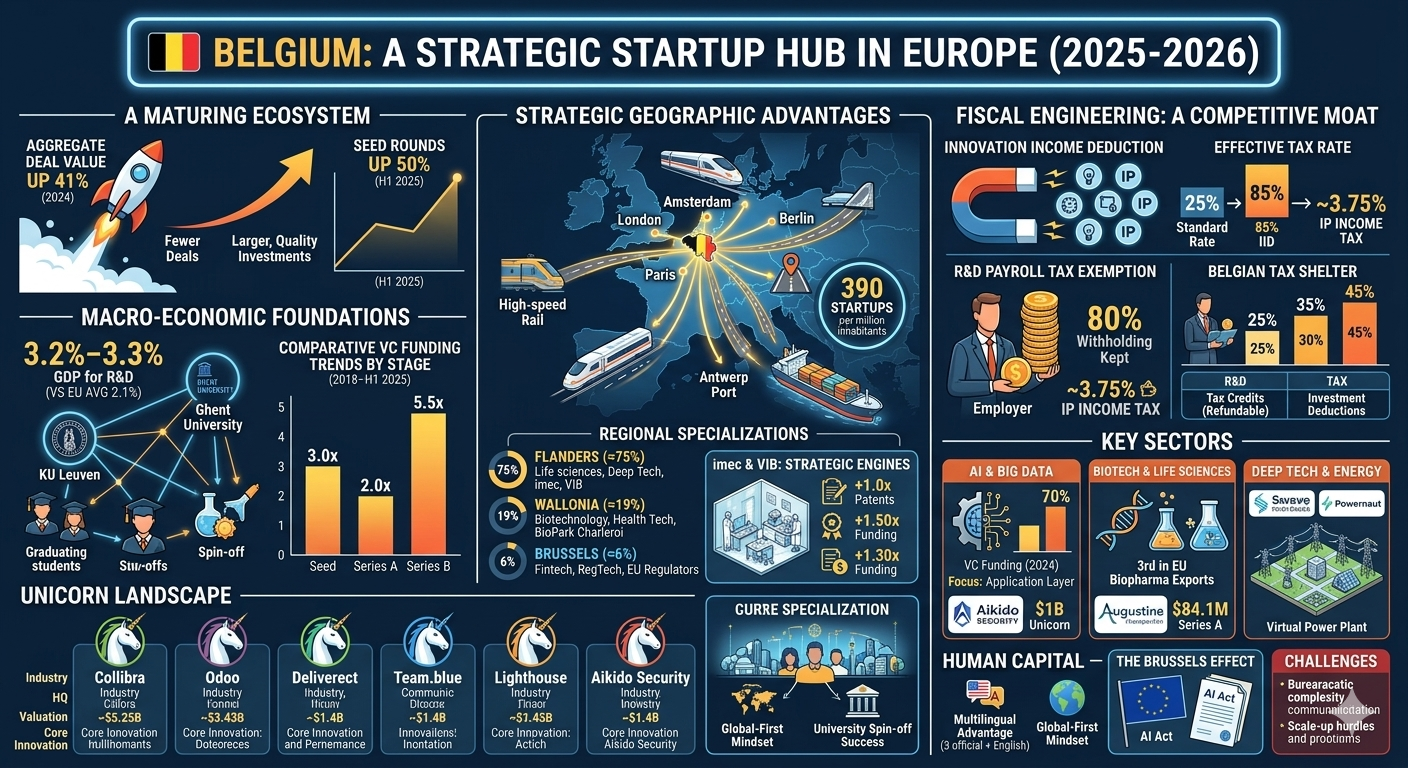
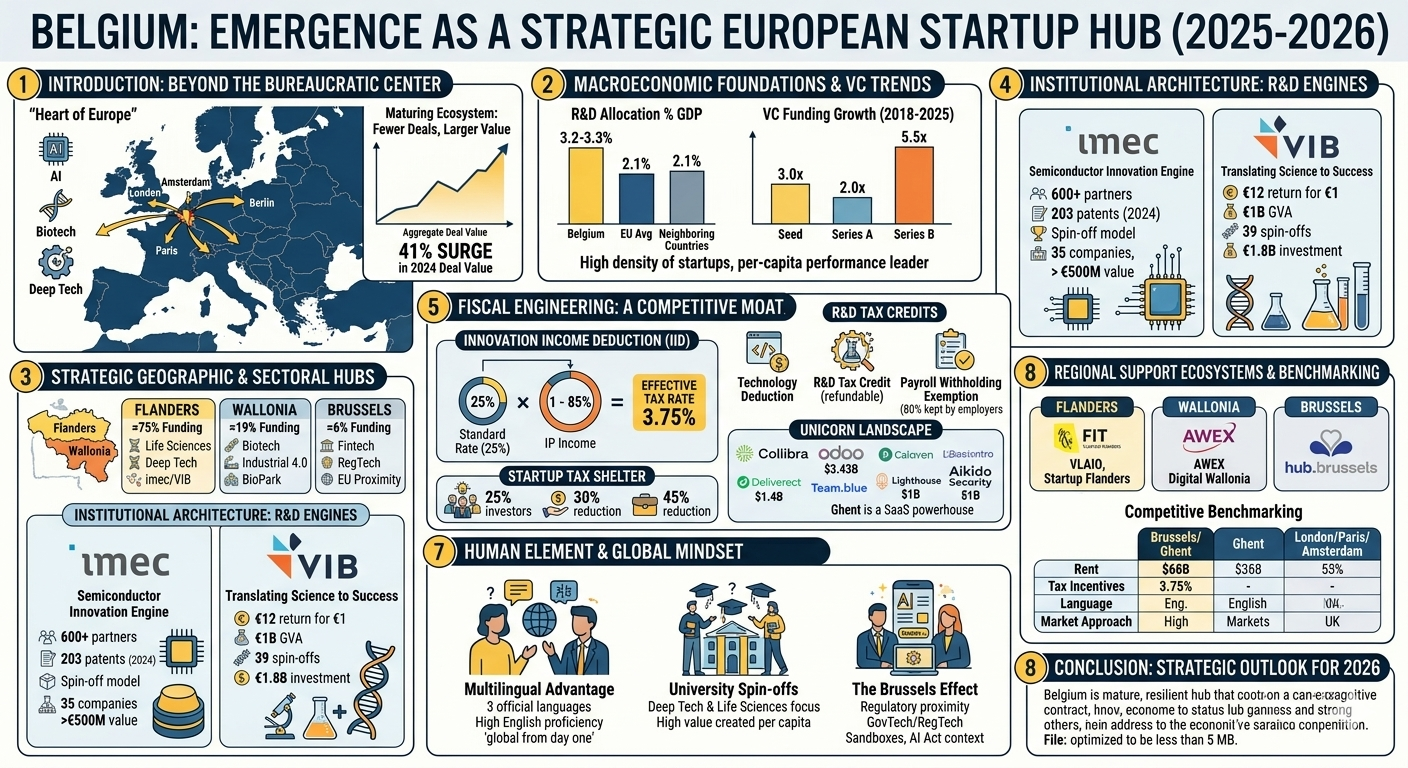
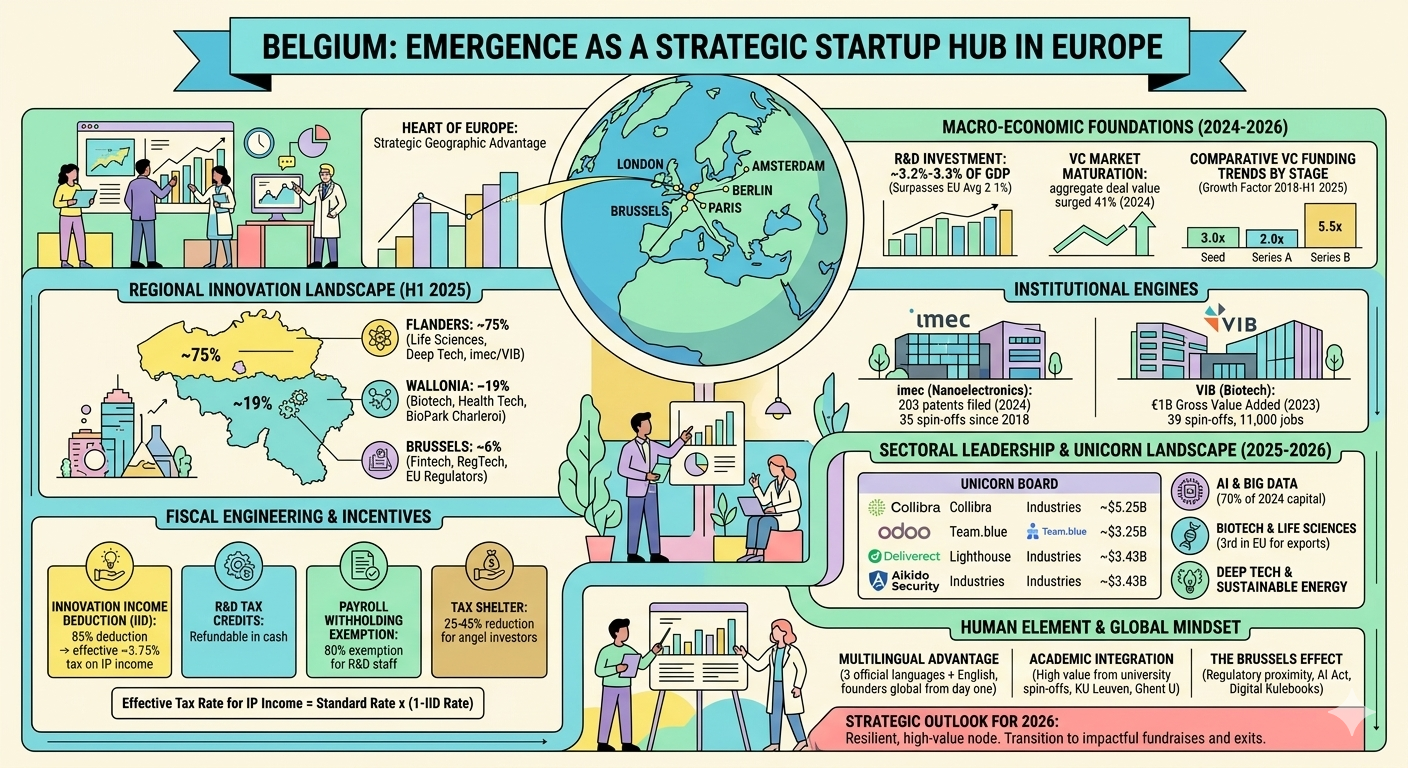
The maturation of the Belgian ecosystem is evidenced by a distinctive trend toward fewer but significantly larger investment deals, reflecting a transition from a nascent, high-volume environment to one characterized by scale and institutional stability. In 2024, despite a slight decline in the total number of transactions, the aggregate deal value in the Belgian venture capital market surged by 41% compared to the previous year. This evolution suggests a consolidation of capital into higher-quality, more resilient companies that are better equipped to navigate the macroeconomic fluctuations that have characterized the global tech sector in the post-pandemic era.
The Macro-Economic Foundations of the Belgian Tech Sector
Belgium's ascent as a startup hub is rooted in a robust macroeconomic foundation that prioritizes research and development and institutional support for innovation. The country consistently allocates approximately 3.2% to 3.3% of its GDP to R&D, a figure that significantly surpasses the European Union average of 2.1% and exceeds that of several larger neighboring economies. This commitment to the knowledge economy has fostered a dense network of world-class research institutions and universities, such as KU Leuven and Ghent University, which serve as consistent pipelines for both scientific talent and high-potential spin-off companies.
The Belgian venture capital market has mirrored this institutional stability. While the first half of 2025 saw a broader European slowdown in funding and exits, the Belgian ecosystem maintained a healthy level of early-stage activity. Specifically, there was a near 50% increase in recorded seed rounds in the first half of 2025 compared to the same period in 2024, indicating that the pipeline for new ventures remains vibrant even as later-stage funding undergoes a corrective phase.
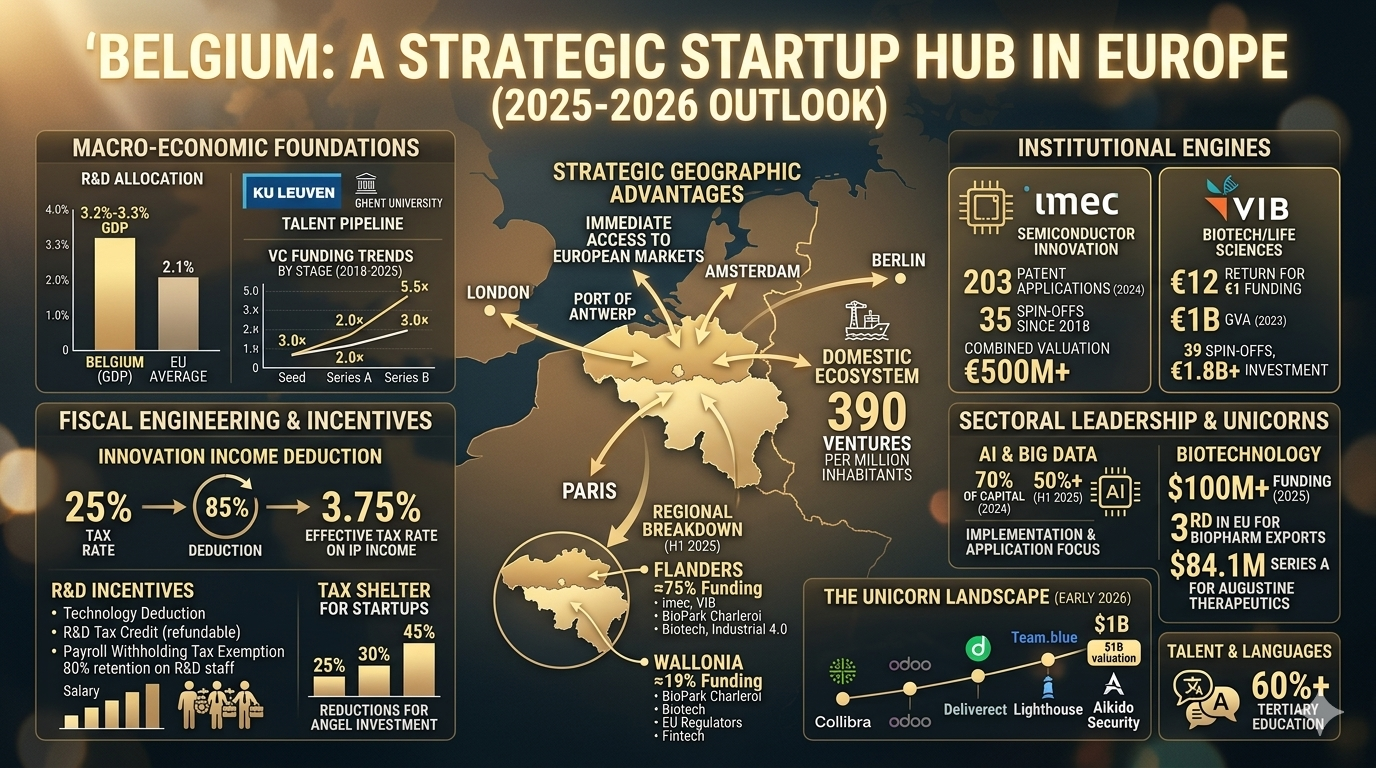
Comparative VC Funding Trends by Stage (2018–2025)
The table below illustrates the growth in average capital invested per stage in Belgian tech startups, highlighting the substantial increase in the size of funding rounds since 2018.
Investment Stage | Capital Growth Factor (2018 to H1 2025) | Average Trend Observation |
Seed Stage | 3.0× | Significant increase in early-stage runway and valuation floors. |
Series A | 2.0× | Steady maturation of the transition from proof-of-concept to market. |
Series B | 5.5× | Massive escalation in growth capital availability for established scale-ups. |
The resilience of the Belgian market is also highlighted by its per-capita performance. On a per-capita basis, Belgian tech funding has consistently outperformed larger ecosystems such as Spain, Italy, and Portugal between 2018 and early 2025. This efficiency in capital deployment is a hallmark of the Belgian model, where a combination of pragmatic entrepreneurship and strategic fiscal incentives allows companies to reach significant milestones with leaner financing than some of their international peers.
Strategic Geographic Advantages and Hub Dynamics
Belgium’s geographic position is a primary driver of its strategic importance. Situated in the "heart of Europe," the country provides immediate access to major consumer markets and talent pools in London, Paris, Berlin, and Amsterdam. This proximity is more than merely spatial; it is deeply integrated into the country’s infrastructure and business culture. For startups in sectors like logistics and supply chain technology, Belgium offers a unique advantage due to its world-class ports, such as Antwerp, and a highly developed rail and road network that connects to the entirety of the European Union.
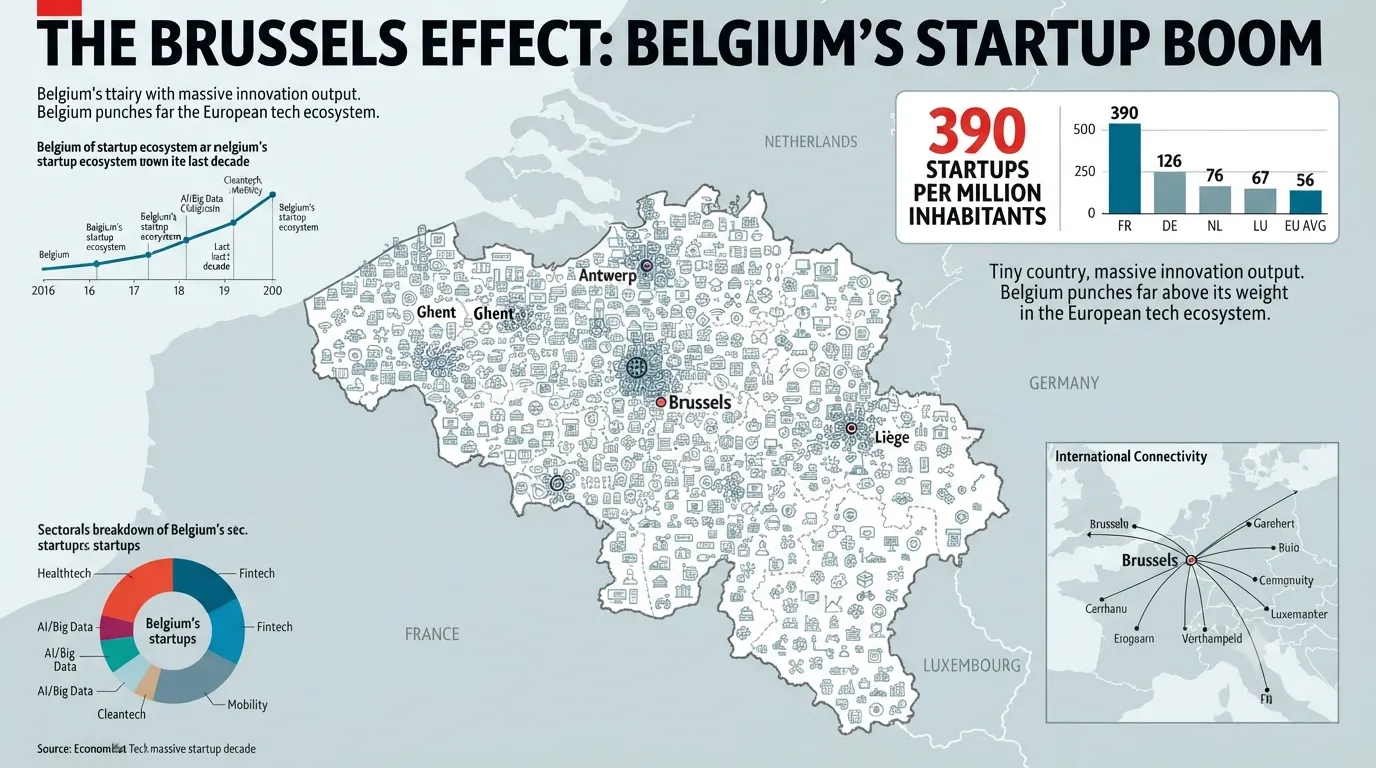
The domestic ecosystem is characterized by a high density of startups, with nearly 390 ventures per million inhabitants, making it one of the most concentrated innovation environments in Europe. This density facilitates rapid networking, collaboration, and a "testing ground" mentality where companies can mature in a high-quality domestic market before expanding internationally.

Regional Breakdown of the Innovation Landscape
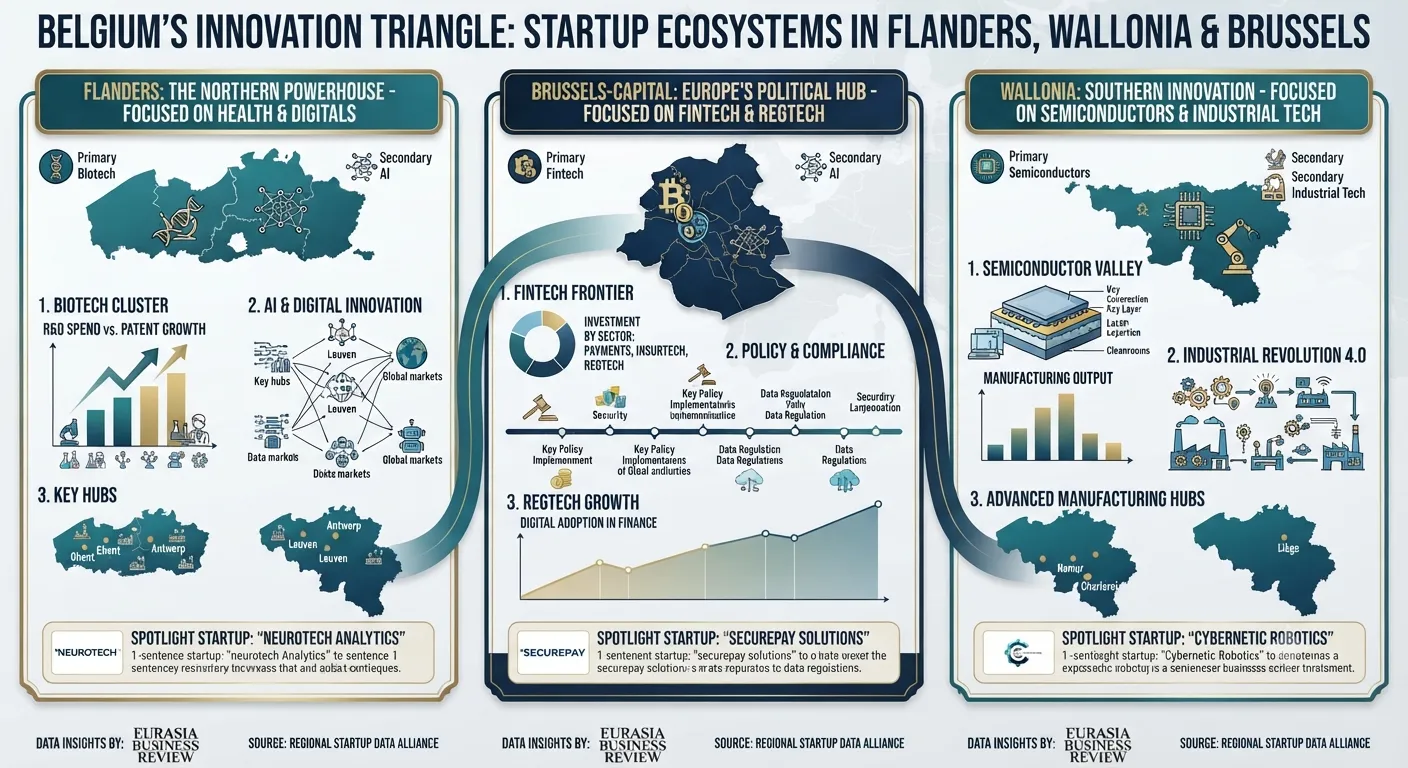
The Belgian tech scene is not monolithic but is instead distributed across three distinct regions, each with its own specialized strengths and strategic focus areas.
Region | Funding Share (H1 2025) | Core Strengths and Strategic Focus |
Flanders | ≈75% | Life sciences, deep tech, agrotech, and cleantech; anchored by imec and VIB. |
Wallonia | ≈19% | Biotechnology, health tech, and industrial 4.0; centered on BioPark Charleroi. |
Brussels | ≈6% | Fintech, civic tech, RegTech, and sustainability; leveraged by proximity to EU regulators. |
Flanders remains the dominant engine of the Belgian startup economy, accounting for roughly three-quarters of total investment. The region’s focus on R&D has transformed it into a global leader in specific high-tech niches, particularly through the influence of imec, the world’s leading research hub for nanoelectronics and digital technologies. Wallonia has demonstrated a notable rebound in recent years, with its share of total investment returning to historic averages driven by a robust biotechnology sector. Brussels, while slipping to third place in terms of total capital raised, remains the critical interface for startups navigating the complex regulatory environments of the European Union.
Institutional Architecture: imec and VIB as Strategic Engines
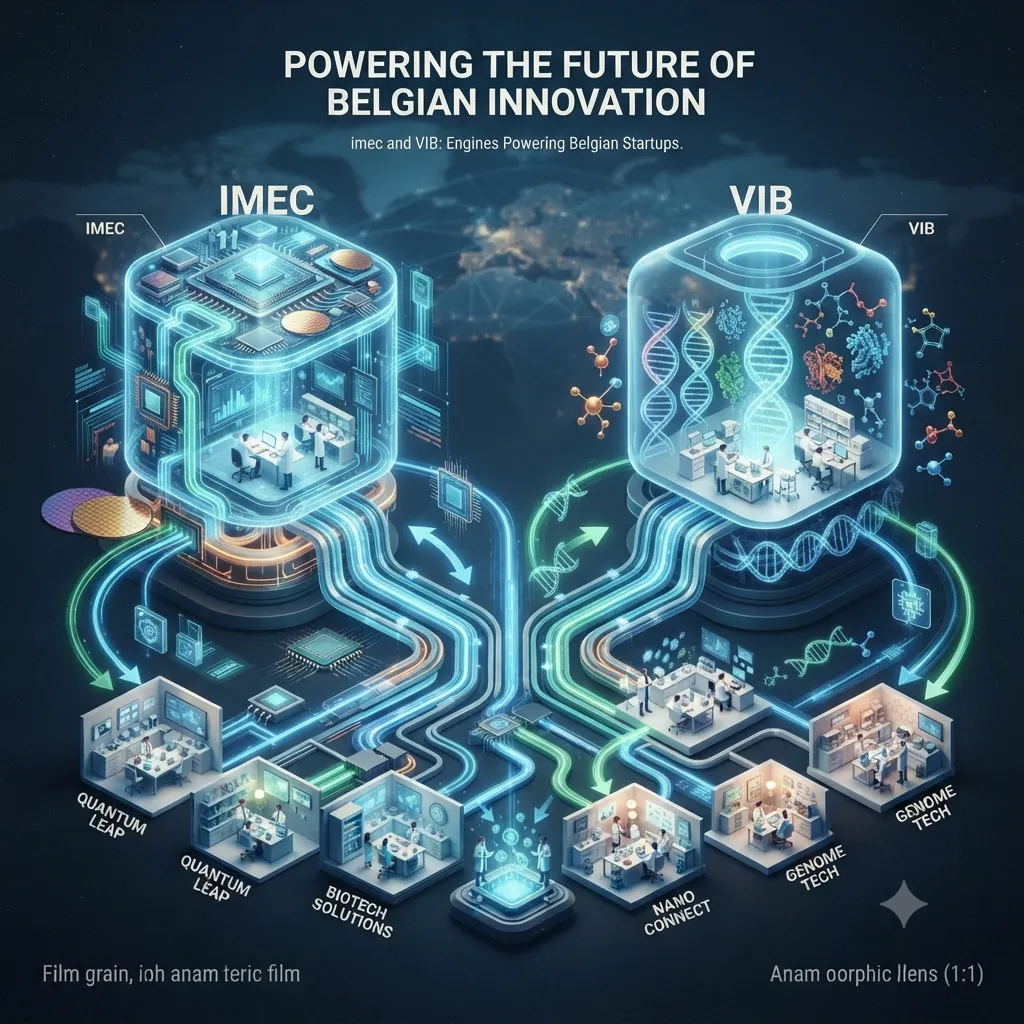
A defining feature of the Belgian startup hub is the presence of world-leading "strategic chokepoints" in innovation—institutions that control critical stages of the global technology value chain. The Interuniversity Microelectronics Centre and the Vlaams Instituut voor Biotechnologie are the two primary pillars of this institutional architecture.
The imec facility gathers more than 600 industry partners, including the world’s leading tech companies, to jointly drive innovation in microchips and their applications. Its status as the most advanced R&D pilot line in the world allows Belgium to function as the semiconductor innovation engine for all of Europe. This leadership is further evidenced by its patent output; imec filed 203 patent applications in 2024, representing an 8.6% increase over the previous year. Beyond research, imec plays a central role in venture creation through its spin-off model, having launched 35 companies since 2018 with a combined valuation of over €500 million for its top ten spin-offs.
The VIB institute operates with a similar focus on translating basic science into commercial success, particularly in life sciences. For every €1 of core funding from the Flemish Government, VIB generates a €12 return to the local economy. In 2023 alone, VIB contributed nearly €1 billion in Gross Value Added and supported 11,000 jobs in Flanders. This institutional support has led to the creation of 39 spin-offs that have attracted over €1.8 billion in equity investment. The proximity of these research centers to local bio-incubators and science parks ensures that academic discoveries can be rapidly scaled into market-ready technologies.
Fiscal Engineering: Tax Incentives as a Competitive Moat
One of the most compelling reasons for Belgium's emergence as a startup hub is its highly sophisticated and favorable tax regime for innovation-driven companies. The Belgian federal and regional governments have implemented a series of fiscal measures designed to minimize the cost of research and development and maximize the retention of intellectual property income within the country.
The Innovation Income Deduction
The Innovation Income Deduction is perhaps the most significant incentive for tech companies. It allows businesses to deduct 85% of their net eligible innovation income from their taxable base. This covers income from patents, copyrighted software developed through R&D, and other specific IP rights.
Effective Tax Rate for IP Income=Standard Corporate Tax Rate×(1−IID Rate)
Given Belgium's standard corporate tax rate of 25%, the application of the 85% deduction results in an effective tax rate as low as 3.75% for qualifying innovation-driven revenue. This makes Belgium one of the most attractive locations in the world for IP management and commercialization. The deduction applies to both self-developed IP and acquired or licensed IP, provided the company contributes to the improvement or development of the asset.
R&D Tax Credits and Investment Deductions
Beyond income deduction, Belgium offers direct incentives for the input side of innovation—the investments in equipment and personnel required to generate new technologies.
Incentive Type | Mechanism | Key Benefits for Startups |
Technology Deduction | One-off or spread deduction from the taxable base. | 13.5% (one-off) or 20.5% (spread) of acquisition value for R&D assets. |
R&D Tax Credit | A direct reduction of corporate income taxes due. | Refundable in cash if unused after four years, providing critical liquidity. |
Payroll Withholding Tax Exemption | Employers keep 80% of the withholding tax on salaries for R&D staff. | Directly reduces the cost of employing STEM graduates and researchers. |
The payroll tax exemption is particularly impactful for startups, as it effectively reduces the gross-to-net salary cost for highly skilled engineers and scientists, allowing startups to stretch their capital further in the early, talent-heavy stages of growth. This incentive applies to a broad range of scientific and technical backgrounds, provided the projects are notified to the relevant federal authorities.

The Belgian Tax Shelter for Startups
To stimulate local investment, the Belgian Tax Shelter for startups provides individuals with a significant personal income tax reduction for investing in early-stage companies. This program offers a reduction of 25%, 30%, or even 45% of the invested amount, depending on the size and age of the company. For micro-companies and startups less than four years old, the 45% reduction is a powerful tool for attracting angel investment. This measure has been instrumental in activating the capital in Belgian savings accounts, which was estimated to be over €257 billion in 2024, and redirecting it toward the entrepreneurial ecosystem.
Sectoral Deep Dives: AI, Biotech, and the Future of Energy
The Belgian startup ecosystem is increasingly defined by its leadership in high-value, high-complexity sectors. While many European hubs are generalist in nature, Belgium’s success is concentrated in areas where deep scientific expertise meets complex industrial needs.
Artificial Intelligence and Big Data
Artificial Intelligence has emerged as the undisputed engine of growth for the Belgian tech scene in the 2024–2025 period. In 2024, AI-related ventures secured 70% of all capital raised in Belgium, establishing the country as a European leader in the implementation layer of the technology. By the first half of 2025, AI funding remained robust, accounting for over 50% of total investments. This concentration puts Belgium on par with the European average for AI investment, but with a specific focus on the application and implementation layer, which has attracted over 90% of AI-related funding since 2023.
A significant trend within this sector is the integration of AI into specific enterprise workflows. For instance, companies like Donna integrate with CRM systems to streamline sales intelligence, while Timefold uses AI to solve complex scheduling and routing challenges for logistics and field services. The emergence of AI-native unicorns further validates this trend. Aikido Security, a Gent-based cybersecurity firm, reached a $1 billion valuation in January 2026 after a Series B funding round, highlighting the rapid scaling potential of AI-driven security platforms.
Biotechnology and Life Sciences
The biotechnology sector remains a crown jewel of the Belgian innovation landscape, drawing significant investment and leading in deal volume alongside AI. In 2025, biotechnology startups attracted nearly $100 million in funding, with companies like Augustine Therapeutics securing an $84.1 million Series A round. The Belgian biotech cluster is unique in its integration of the entire value chain, from academic research at institutions like VIB and the BioPark Charleroi to large-scale manufacturing by global pharmaceutical giants.
Belgium currently ranks third in the European Union for biopharmaceutical exports, generating over €56 billion generated annually. The sector supports nearly 141,000 jobs in Belgium, with direct employment in biotech and pharma being twice the European average. This density of talent and manufacturing capacity has turned Belgium into a global health and biotech valley, particularly in technologies like mRNA, cell and gene therapy, and monoclonal antibodies.

Deep Tech and Sustainable Energy
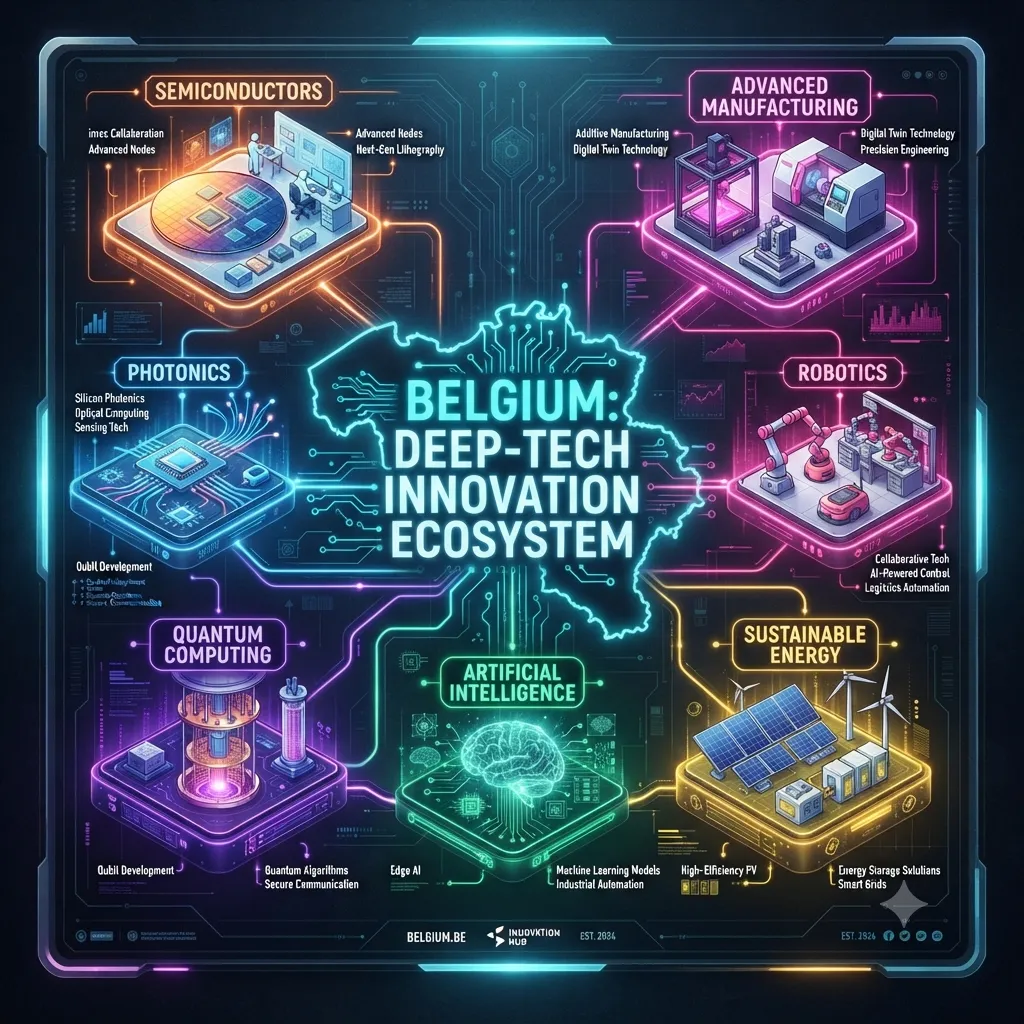
Beyond AI and Biotech, Belgium is seeing a surge in deep tech ventures that solve fundamental engineering and physics challenges. In the first half of 2025, companies such as Swave Photonics and VerticalCompute raised significant rounds, helping to stabilize the overall funding landscape during the broader market slowdown.
The energy sector is also undergoing a digital transformation. Powernaut, founded in 2024, has developed a Cutting-edge platform called the Virtual Power Plant that allows energy providers to integrate decentralized systems like solar panels and batteries into a unified, efficient network. This trend reflects Belgium’s commitment to the European Green Deal and the transition to a decentralized, more resilient power grid. The Flemish region, in particular, has become a launchpad for scale-ups in cleantech and advanced manufacturing, with the combined enterprise value of the Flanders startup ecosystem reaching €36 billion in 2023.
The Unicorn Landscape in 2025-2026
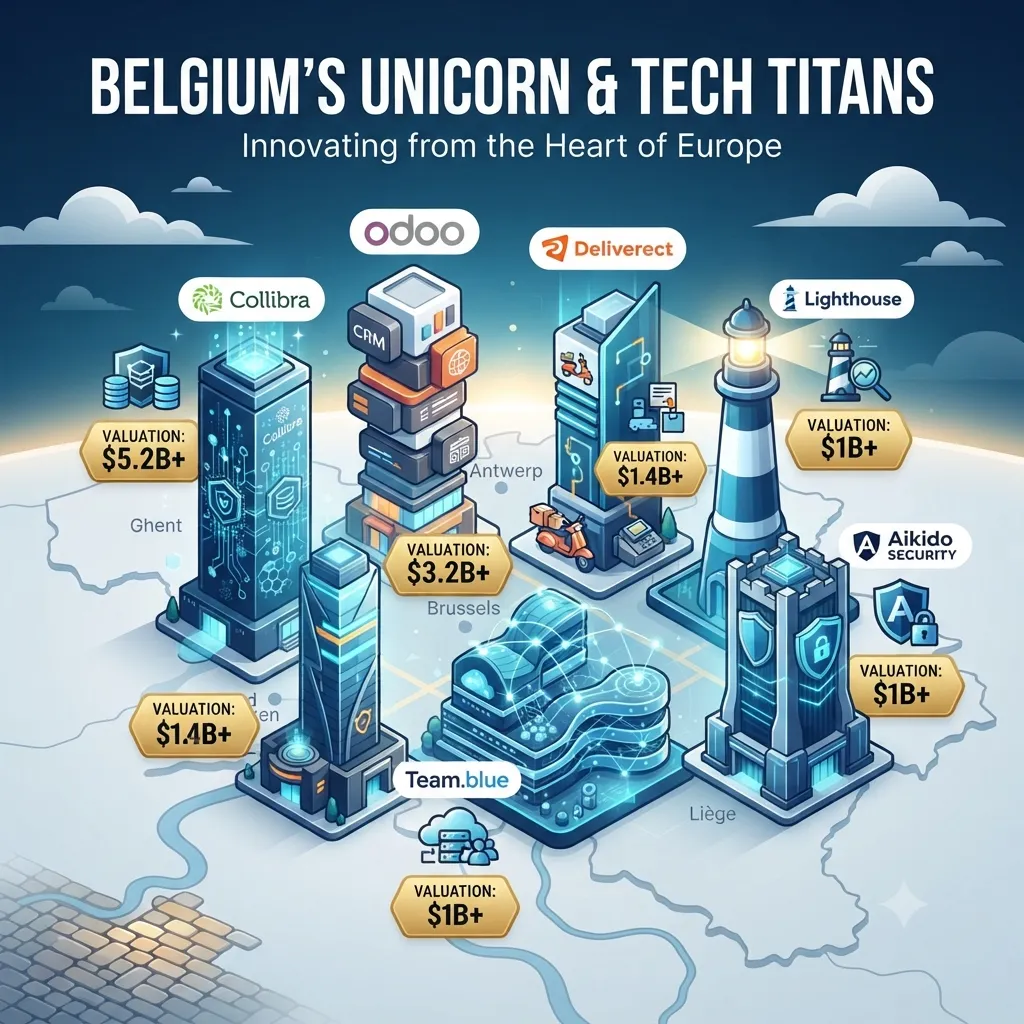
The maturation of the Belgian ecosystem is most visible in its creation of unicorns—privately held startups valued at $1 billion or more. As of early 2026, Belgium has firmly established five to six tech unicorns, with others approaching the milestone.
Unicorn | Industry | Headquarters | Valuation | Core Innovation |
Collibra | Enterprise Tech | Brussels | ≈$5.25B | Global leader in data governance and AI management. |
Odoo | Enterprise Tech | Louvain-la-Neuve | ≈$3.43B | Open-source all-in-one business software for SMEs. |
Deliverect | Food Tech | Ghent | ≈$1.4B | SaaS platform automating online order flows for restaurants. |
Enterprise Tech | Ghent | Unicorn Status | Massive consolidator of web hosting and digital services. | |
Lighthouse | Travel Tech | Brussels | ≈$1B | Commercial platform providing data-driven insights for travel. |
Aikido Security | Cybersecurity | Ghent | ≈$1B | AI-driven security platform for developers. |
The presence of multiple unicorns in Ghent—Deliverect, Team.blue, and Aikido Security—has established the city as a specific powerhouse for SaaS and software innovation, while Louvain-la-Neuve and Brussels host giants in the enterprise and data sectors. The high percentage of founders retaining significant ownership in these companies, such as Odoo’s management team owning 65%, reflects a pragmatic and sustainable approach to scaling that is characteristic of the Belgian entrepreneur.
The Human Element: Talent, Languages, and Global Mindsets
Belgium’s ability to attract and retain high-level talent is a critical component of its strategic hub status. The country’s workforce is among the most educated in Europe, with over 60% of the population holding a tertiary education degree, well above the EU average of approximately 40%.
The Multilingual Advantage
Belgium's unique linguistic landscape—featuring three official languages and a high proficiency in English—provides a distinct competitive advantage for startups looking to internationalize. Because the domestic market is small and fragmented, Belgian founders are global from day one, designing products that can immediately cross linguistic and cultural borders. This mindset creates resilience and scalability, as Belgian startups are less prone to becoming trapped in a single, large domestic market.
Statistically, around 78.5% of the Belgian workforce in employment knows at least one foreign language, with a significant portion of highly educated professionals mastering two or three. This linguistic elasticity makes Belgian companies highly effective in international business settings, enabling them to navigate the diverse customer bases of the European Single Market with ease. Research indicates that multilingualism of employees can contribute to 10%-20% of company turnover by facilitating smoother internal communication and more effective international negotiations.

University Spin-offs and Academic Integration
The relationship between academia and the startup ecosystem is exceptionally tight in Belgium. Academic spin-offs from European institutes have created massive value, and Belgium ranks highly in terms of value created per capita from these ventures, trailing only Switzerland, Denmark, and Sweden.
University | Total Spin-offs | Recent Activity | Key Success Metric |
KU Leuven | 186 | 9 new in 2024 | €174M in annual license income. |
Ghent University | >150 | Fast Lane scheme | Simplified pathway for researcher-led ventures. |
These spin-offs are increasingly focused on Deep Tech and Life Sciences, accounting for 40% of all new startups in these sectors since 2019. The success of these companies is supported by university venture funds and independent specialists who provide the early-stage capital necessary to bridge the gap between laboratory research and market application. The KU Leuven Research & Development office, for instance, provides a structured path from informal contact to business plan development and financial planning, ensuring that innovations have a solid commercial foundation.
The Brussels Effect and Regulatory Proximity
The city of Brussels occupies a unique role in the global startup economy due to the Brussels Effect—the phenomenon where the European Union's regulatory standards become global benchmarks. For startups in RegTech and GovTech, proximity to the European Commission and Parliament is a strategic asset that allows for direct engagement with policymakers and early alignment with emerging rules.
Navigating the Digital Rulebook
As the EU rolls out comprehensive frameworks like the Artificial Intelligence Act, the Digital Services Act, and the Digital Markets Act, Brussels-based startups are at the forefront of these transitions. The presence of regulatory sandboxes—controlled environments where AI systems can be tested with regulatory guidance—facilitates market access for SMEs and startups that might otherwise be overwhelmed by compliance costs. These sandboxes not only improve legal certainty but also foster closer collaboration with authorities, building trust and attracting investment.
Startups like CitizenLab have leveraged this environment to build citizen participation platforms that integrate directly into the co-creation processes of city governments, demonstrating how technology can modernize public service delivery. Furthermore, the EU's focus on strategic autonomy has led to increased funding for startups developing critical technologies in defense, quantum, and AI. The StepUp StartUps initiative and the EU Startup Nation Standard are designed to mobilize member states to implement policy practices that support venture creation and talent attraction.
Regional Support Ecosystems and Governance
The Belgian innovation landscape is heavily supported by regional agencies that provide grants, networking, and internationalization assistance. These agencies act as facilitators, helping startups navigate the complexities of both local and international markets.
Flanders: A High-Tech Launchpad
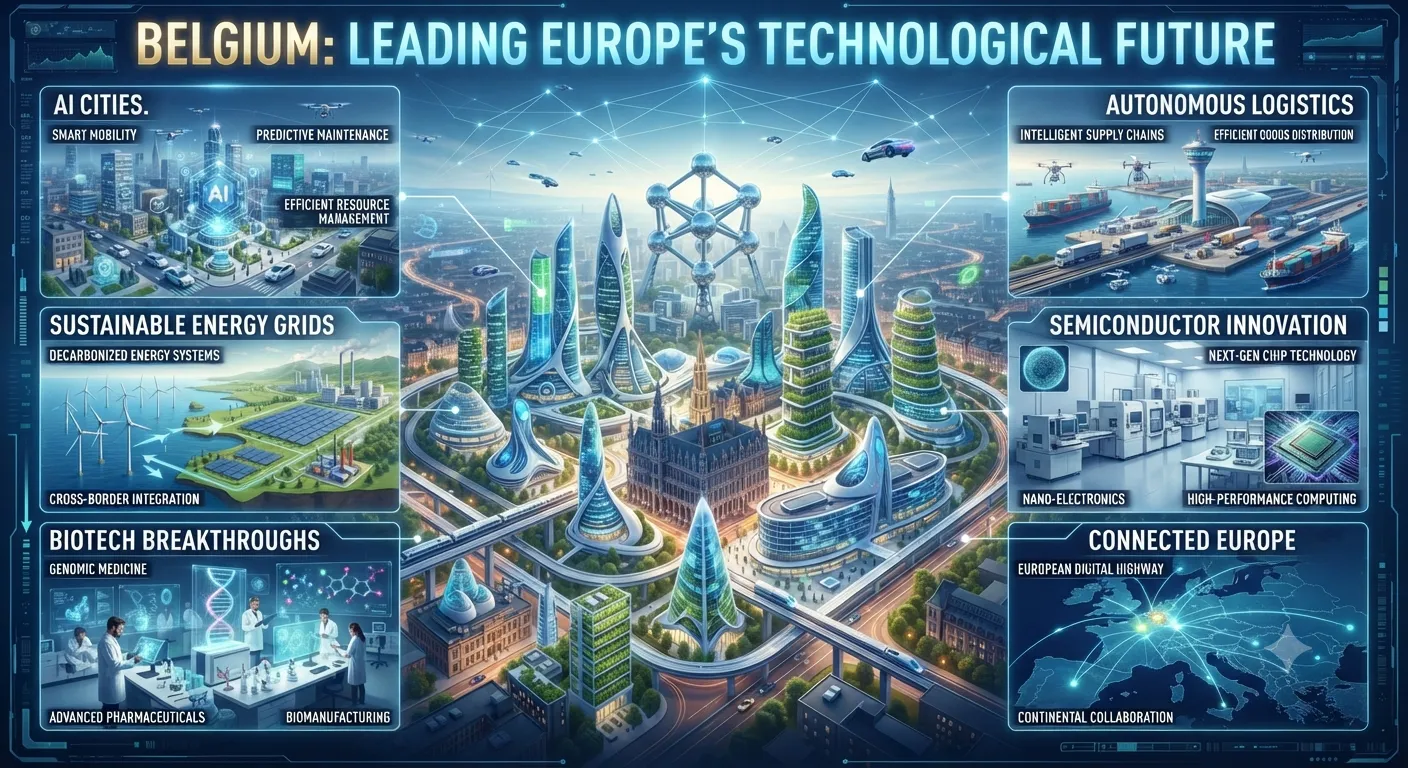
Flanders Investment & Trade and Flanders Innovation and Entrepreneurship (VLAIO) are the primary drivers of growth in the northern region. Through initiatives like Startup Flanders, the region provides tailored advice, national grants, and access to European funding opportunities. FIT has established ten Science & Technology Offices in innovation hubs across the world—including New York, London, and Singapore—to connect Flemish startups with international venture capital and research centers. VLAIO also extends significant grants for ecological investments and strategic transformation projects, supporting the region’s shift toward a sustainable economy.
Wallonia: The Biotech and AI Rebound
In the Walloon region, the Wallonia Export-Investment Agency (AWEX) and Digital Wallonia manage the development of international economic relations. The DigitalWallonia4.ai program has been particularly effective in accelerating the adoption of AI, with an annual budget of €18 million dedicated to the regional digital strategy. This program includes initiatives like Start AI, which provides companies with coaching to identify AI opportunities, and remplin AI, which supports proof-of-concept projects. The BioPark Charleroi remains a major player, bringing together over 100 companies and 3,500 professionals in a virtuous continuum of research and entrepreneurship.
Brussels: The Catalyst for Transition
Brussels is served by hub.brussels, the agency for business support dedicated to making entrepreneurship accessible and sustainable. The agency provides free services ranging from personalized coaching to guidance on internationalization and innovation. Brussels’ status as a multicultural and connected hub makes it a fertile ground for business growth, with non-Belgians making up almost 40% of the city's residents, providing a diverse talent pool for international expansion.

Competitive Benchmarking: Belgium in the European Context
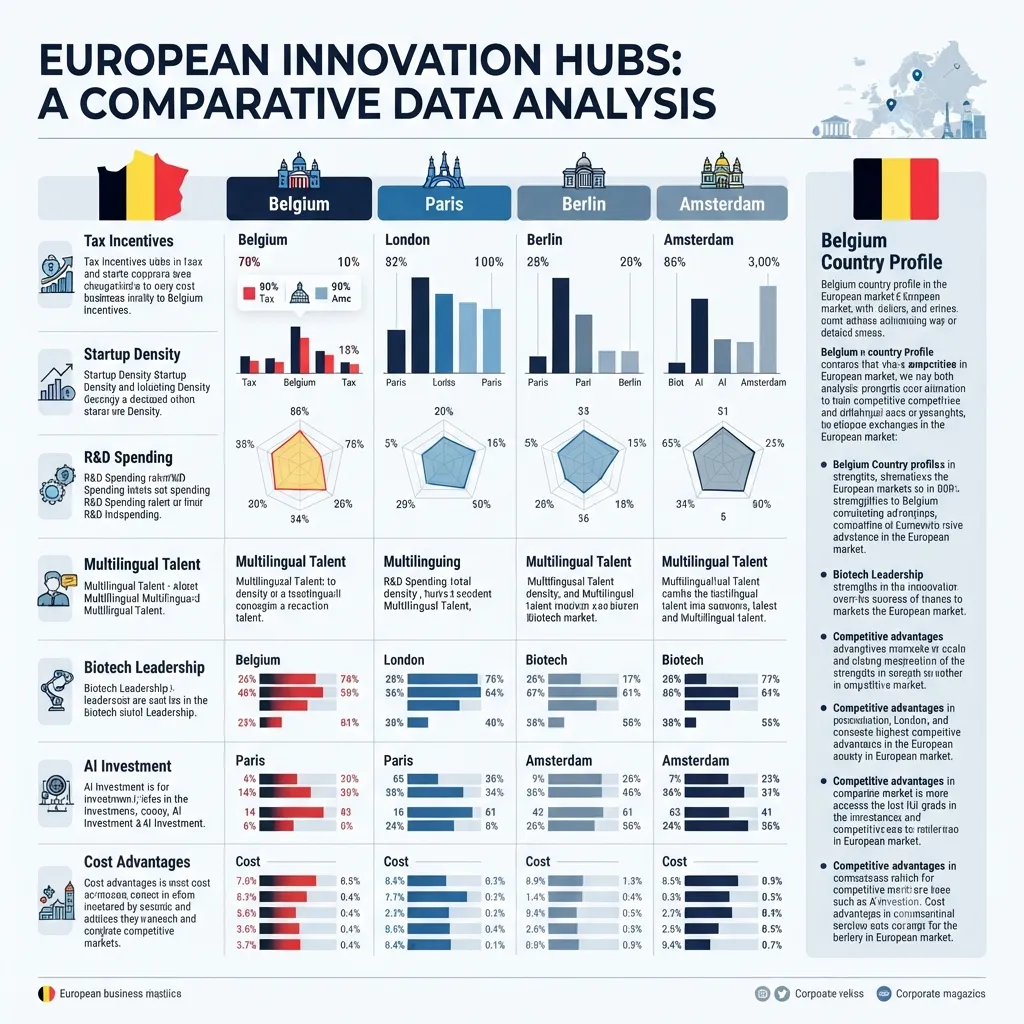
While Belgium is often overshadowed by the larger tech hubs of Paris and Berlin, it offers a distinct value proposition that is becoming increasingly attractive to founders and investors.
Feature | Brussels / Ghent | London / Paris / Amsterdam |
Rent (1-BR City Center) | Cheapest among six capital cities. | Significantly higher in London and Amsterdam. |
Tax Incentives | 85% IP deduction; 80% R&D payroll exemption. | High employer social contributions in France. |
Language | 3 official languages + high English proficiency. | Strong national focus in Paris and Berlin. |
Market Approach | Global from day one due to small domestic market. | Large domestic focus can slow internationalization. |
Brussels remains the cheapest among major European capital cities for renting a city-center apartment, providing a lower barrier to entry for early-stage founders compared to London or Paris. While salaries in tech hubs like Amsterdam or Munich may be higher, the cost-to-net pay ratio in many European cities is influenced by heavy social contributions. For instance, in Paris, total employer costs can reach 59.1% above the base salary, whereas the Belgian system’s targeted R&D exemptions help mitigate these costs for innovative firms.
Challenges and Local Frictions
Despite its strategic advantages, the Belgian ecosystem faces several significant hurdles. Bureaucratic complexity remains a major concern, with startups often struggling to navigate the intricate administrative procedures and regulatory burdens of Belgium’s federal and regional structure.
The Scale-up Problem
A critical study by the National Bank of Belgium reveals a scale-up problem within the country. While Belgium is not short of entrepreneurial activity, too few of these firms manage to become real engines of employment. Startups in Belgium tend to grow more slowly than their counterparts in neighboring countries, often hampered by a tightly regulated labor market and high wage costs that slow the reallocation of workers. Indicators of business dynamism declined steadily in Belgium from 2000 until the mid-2010s, and while there has been a tentative rebound since 2020, it has been driven mainly by established firms rather than a new wave of high-growth gazelles.
Visibility and Risk Aversion
The Belgian ecosystem also lacks the international visibility of hubs like London or Berlin, making it harder to attract global talent and large-scale venture capital. Additionally, the Belgian business culture is characterized by a more risk-averse approach compared to international innovation hubs, which can limit the ambition of early-stage founders. Many of Belgium’s top engineers and scientists are lured abroad by higher salaries or more globally recognized tech giants. To address this, there is a growing need to celebrate local successes more loudly to inspire the next wave of entrepreneurs.
Conclusion: The Strategic Outlook for 2026
Belgium has successfully transitioned from a burgeoning collection of innovation clusters into a mature, strategically vital startup hub within the European landscape. Its emergence is not the result of a single policy but rather the convergence of world-class R&D infrastructure, a sophisticated fiscal framework, and a pragmatic, global-first entrepreneurial culture.
As the global tech industry shifts its focus toward AI and deep tech, Belgium’s leadership in these sectors positions it as a resilient and high-value node in the European innovation network. The country’s ability to generate multiple unicorns proves that it can produce world-class companies that compete on value rather than just valuation.
To maintain this momentum, Belgium must address its internal frictions—particularly the bureaucratic hurdles and the structural barriers to scaling. By bridging the gap between its R&D dominance and domestic manufacturing capacity, and by continuing to leverage the Brussels Effect to influence global regulatory standards, Belgium is well-positioned to remain an indispensable partner in Europe’s quest for technological sovereignty and economic resilience. The Belgian startup ecosystem is at a decisive moment; building on the successes of the past decade, it is now entering a phase of impactful fundraises and strategic exits that will likely redefine its role as a premier destination for innovation and investment in the 21st century.
Protect Your Future: The Precision Vesting Calculator
Don't let a "handshake deal" complicate your exit. Map out your ownership journey with our Vesting Calculator
Calculate Your Vesting Schedule →