Blockchain Innovation in Belgium’s Tech Scene
July 1, 2026 by Harshit Gupta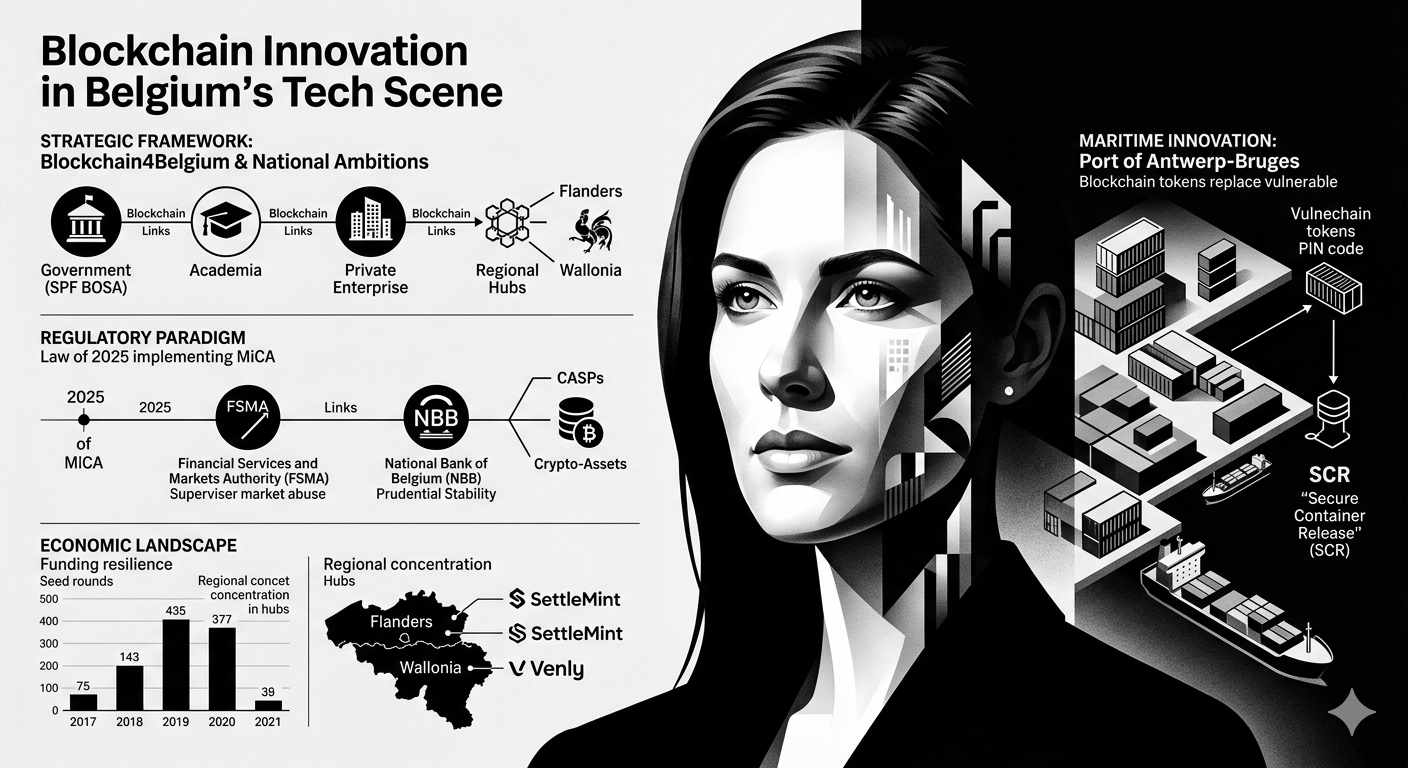
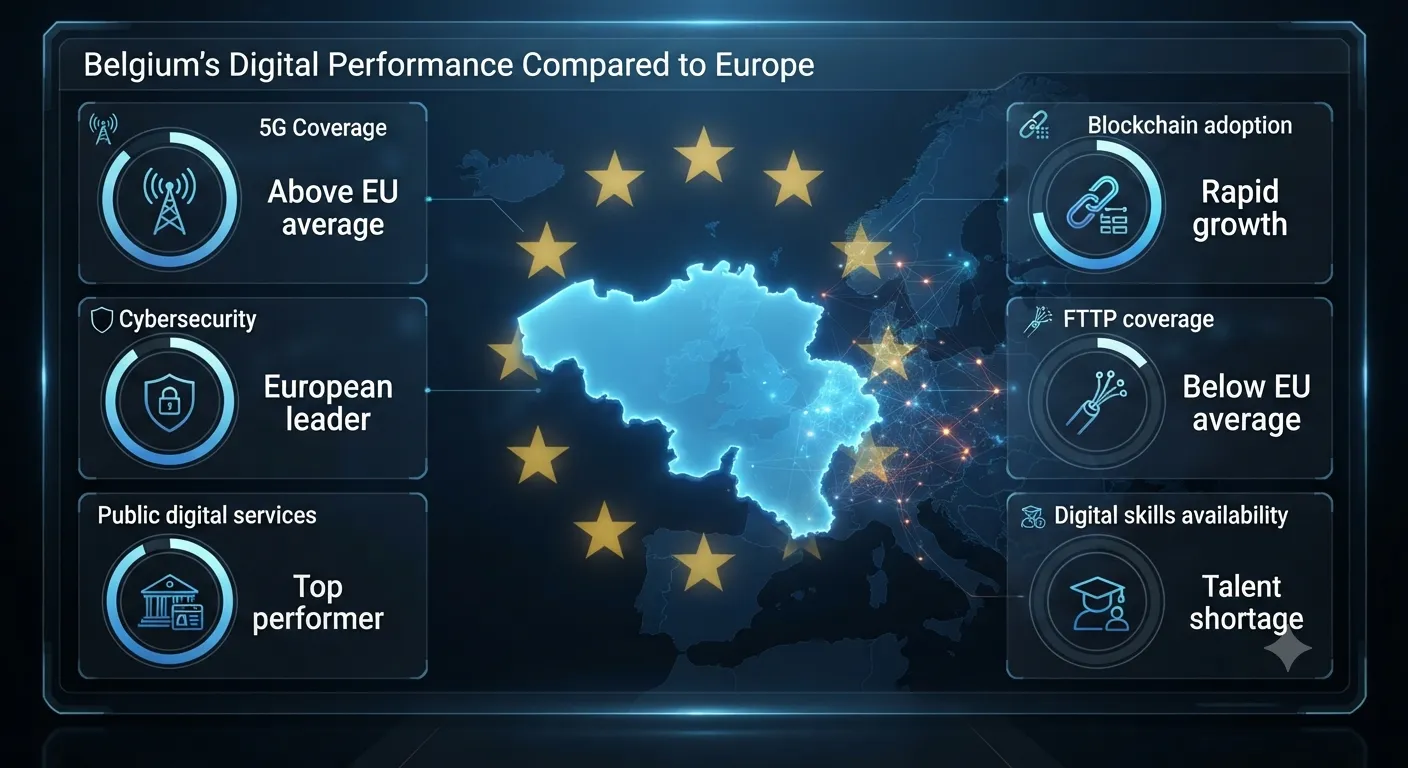
The digital trajectory of Belgium in the mid-2020s serves as a sophisticated case study in the deliberate integration of distributed ledger technology (DLT) within a mature European economy. As the nation aligns its strategic priorities with the European Union’s 2030 Digital Decade objectives, blockchain has moved beyond its origins in decentralized finance to become a foundational component of administrative reform, maritime security, and industrial transparency. Belgium’s performance across critical digital metrics reflects a nation characterized by rapid technology adoption, leading-edge cybersecurity infrastructure, and a robust commitment to online public services, even as it navigates structural challenges in high-capacity fiber-to-the-premises (FTTP) coverage and a persistent digital skills gap. Within this complex socio-technical environment, blockchain innovation emerges not merely as a technical upgrade but as a structural reconfiguration of trust, mediation, and digital sovereignty.
The Strategic Framework: National Digital Ambitions and Governance
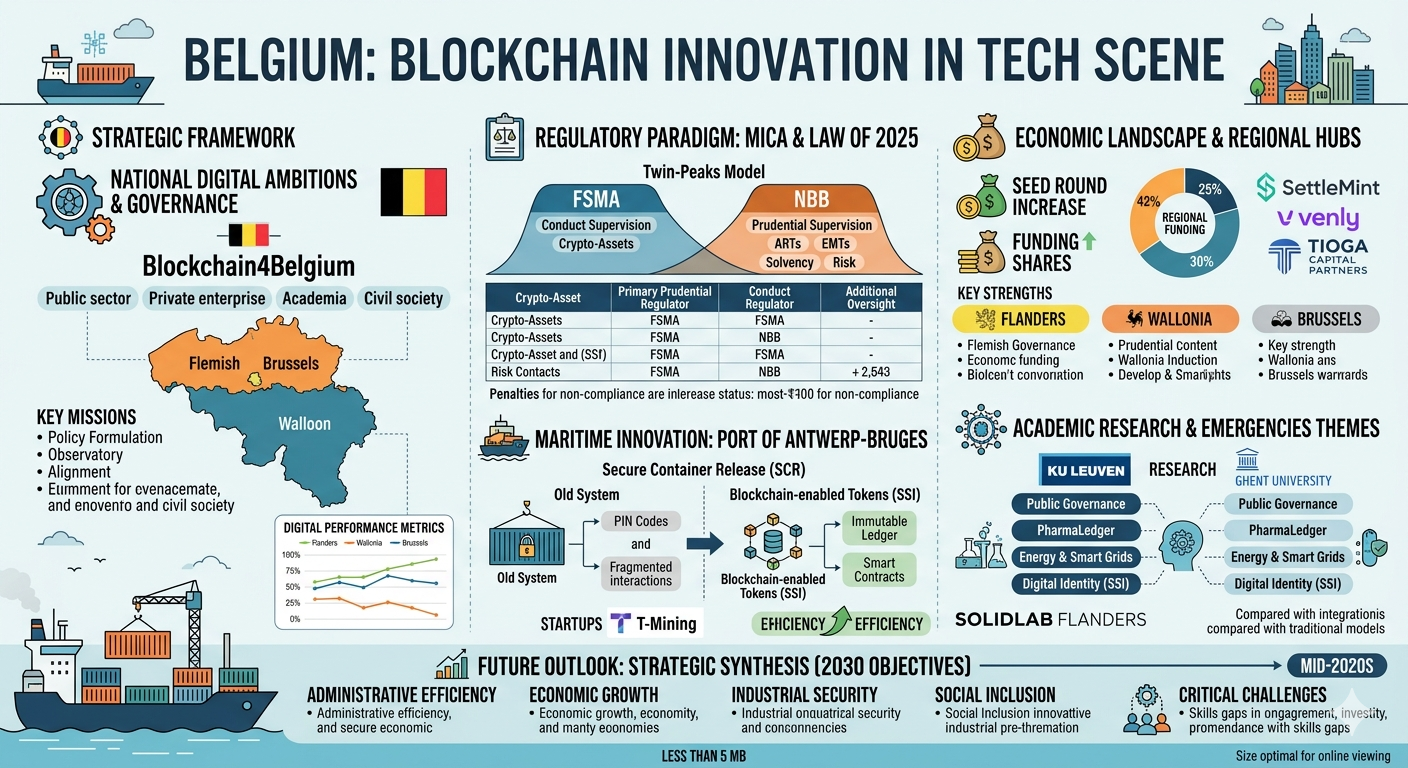
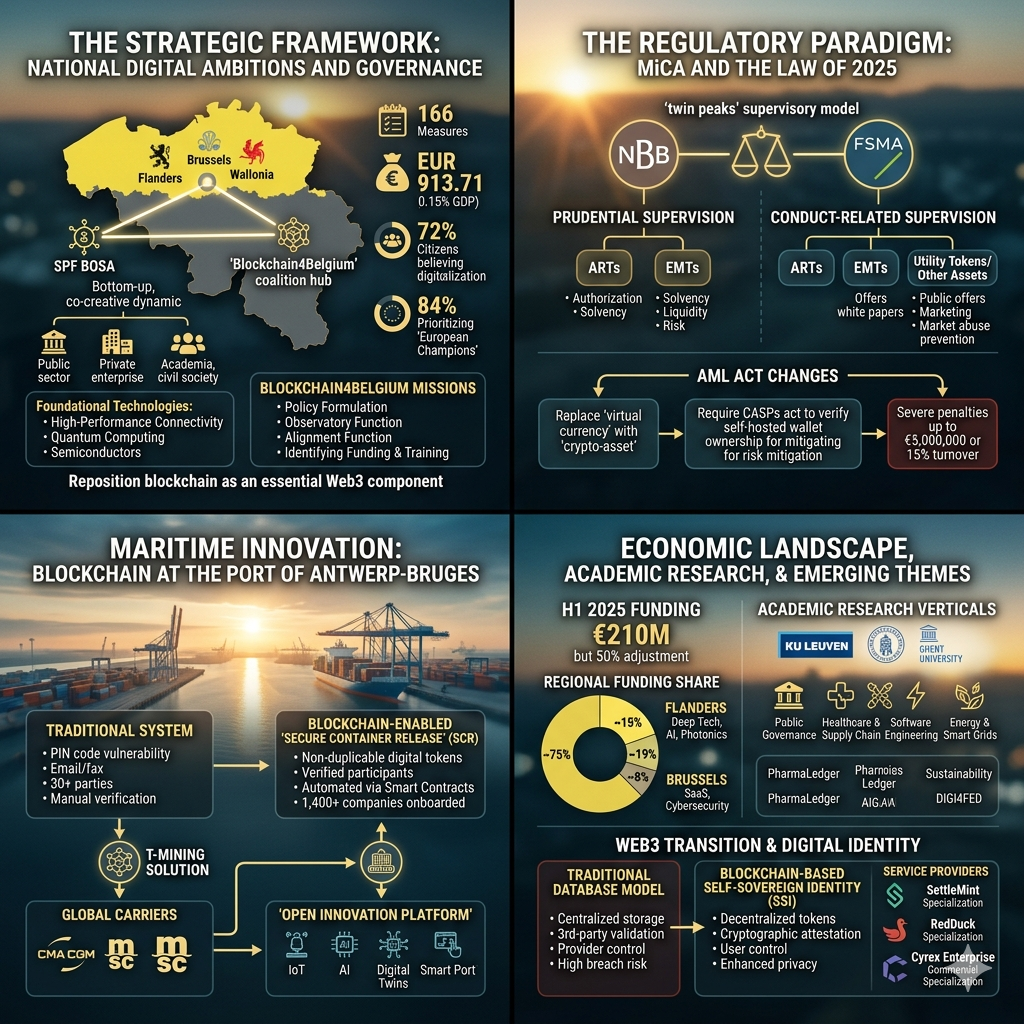
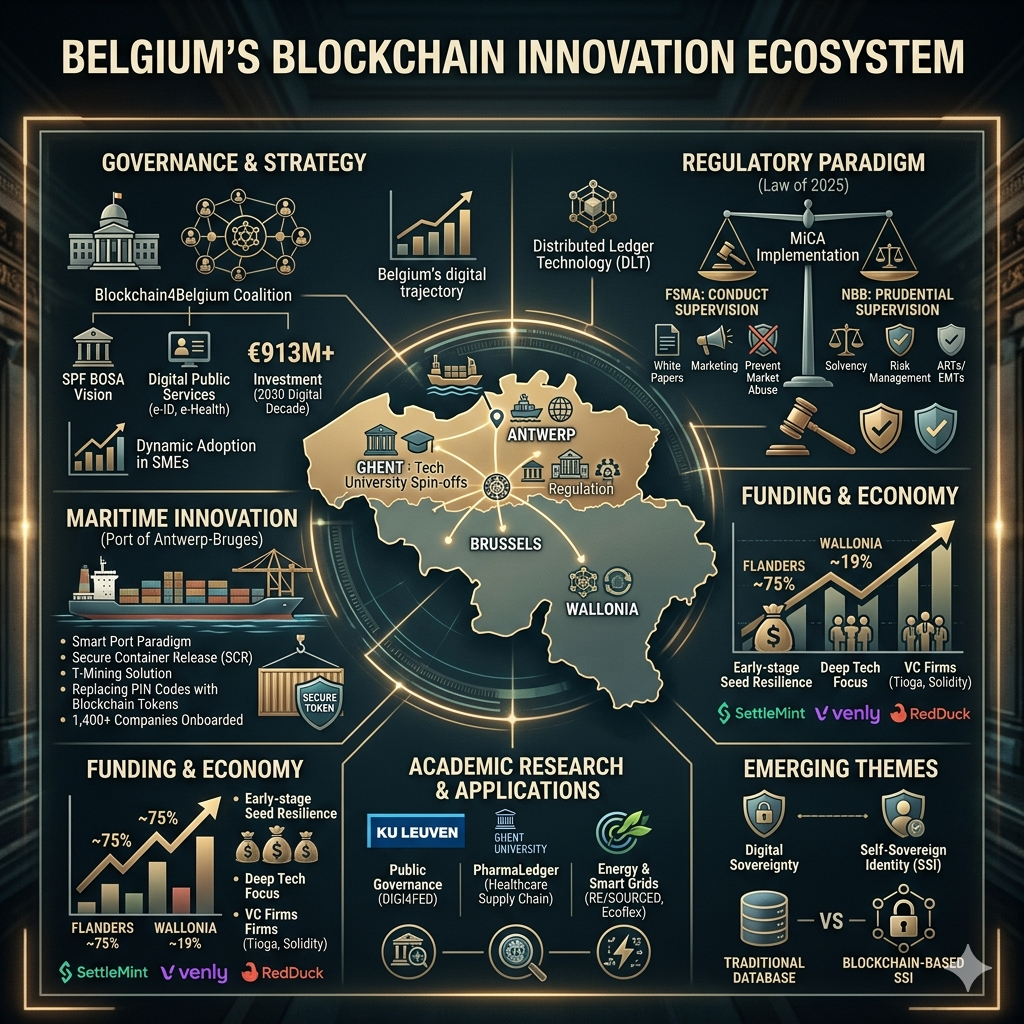
The Belgian federal government, primarily through the Federal Public Service Policy and Support (SPF BOSA), has articulated a vision where blockchain and Web3 technologies serve as catalysts for a more efficient, transparent, and user-centric state. The central pillar of this strategy is "Blockchain4Belgium," a national coalition initiated to federate a diverse array of stakeholders from the public sector, private enterprise, academia, and civil society. This coalition operates under a bottom-up, co-creative dynamic, emphasizing that the transition to a decentralized digital economy must be inclusive and strategically aligned across the regional divisions of Flanders, Wallonia, and Brussels.
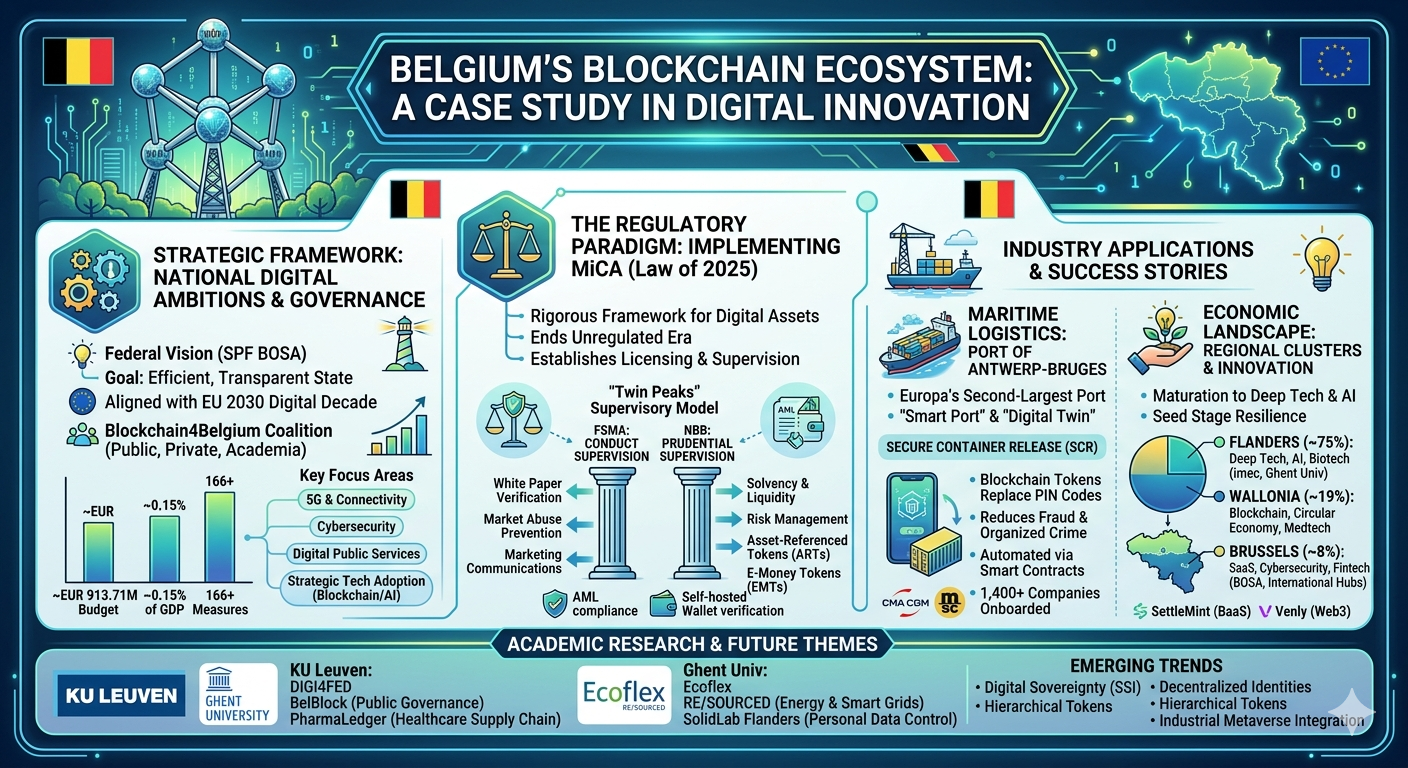
The Belgian roadmap for the Digital Decade is supported by a significant financial commitment, with 166 measures backed by a budget of approximately EUR 913.71 million, representing roughly 0.15% of the national GDP. This investment is directed toward foundational technologies that provide the essential infrastructure for secure blockchain applications, including high-performance connectivity, quantum computing, and semiconductors. Notably, 72% of Belgian citizens already believe that the digitalization of services makes their lives easier, and there is a strong consensus (84%) on the importance of fostering "European Champions" capable of global competition.
National Priority | Implementation Mechanism | 2025 Observed Status |
Connectivity & 5G | Private/Public Infrastructure Investment | Surpassing EU average in 5G coverage; FTTP lagging |
Cybersecurity | National Cybersecurity Center / SPF BOSA | Leading position in strategic security technologies |
Digital Public Services | e-ID and e-Health platforms | Strong performance, especially for business interactions |
Strategic Tech Adoption | Blockchain4Belgium and AI4Belgium | Dynamic adoption among SMEs and deep-tech focus |
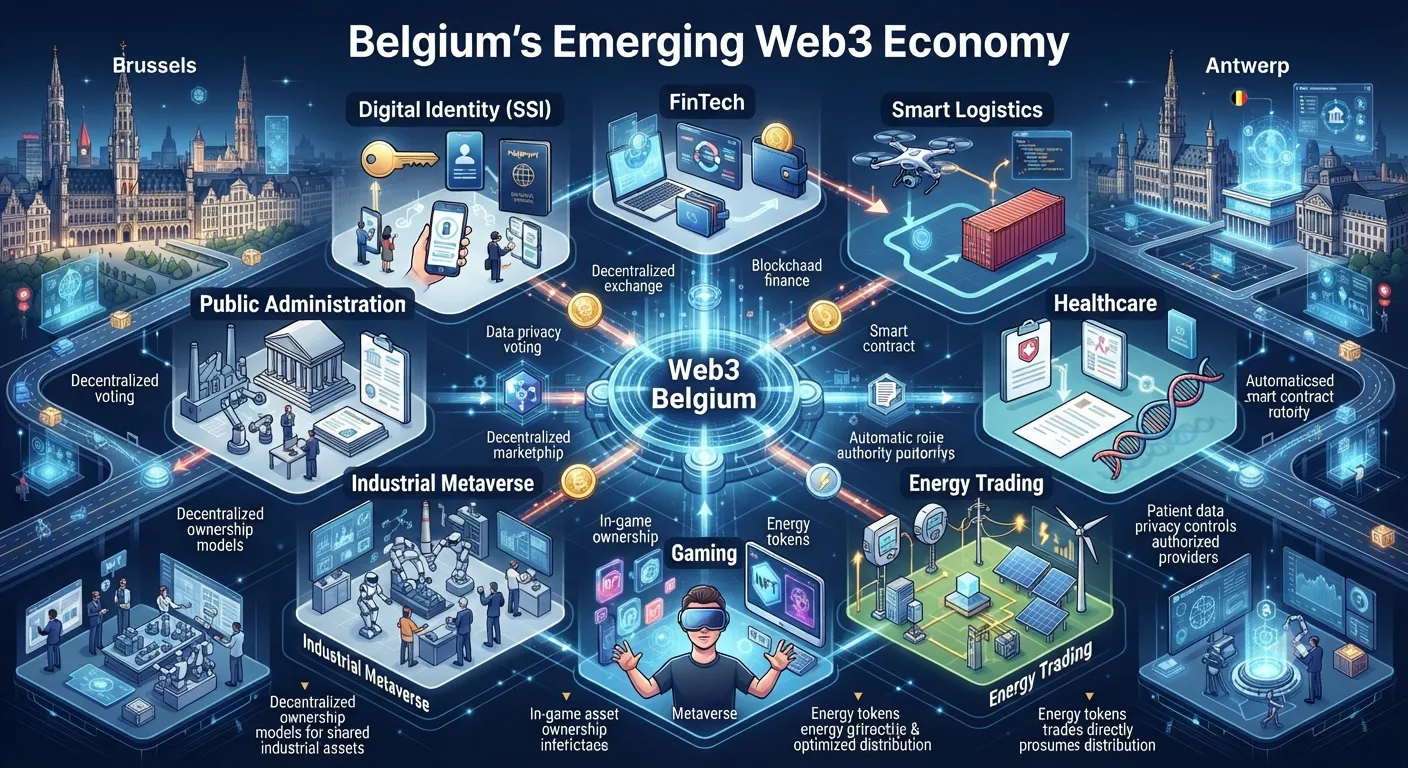
Blockchain4Belgium's missions are structured to move the technology from the periphery to the core of Belgian innovation. These missions include policy formulation to propose secure regulatory frameworks, an observatory function to map players and track trends, and an alignment function to optimize synergies between researchers and government departments. By identifying funding opportunities and developing comprehensive training initiatives, the SPF BOSA aims to demystify blockchain, distancing it from the speculative volatility of cryptocurrency markets and repositioning it as an essential component of Web3—the next generation of the internet characterized by decentralization, interoperability, and enhanced privacy.
The Regulatory Paradigm: Implementing MiCA and the Law of 2025
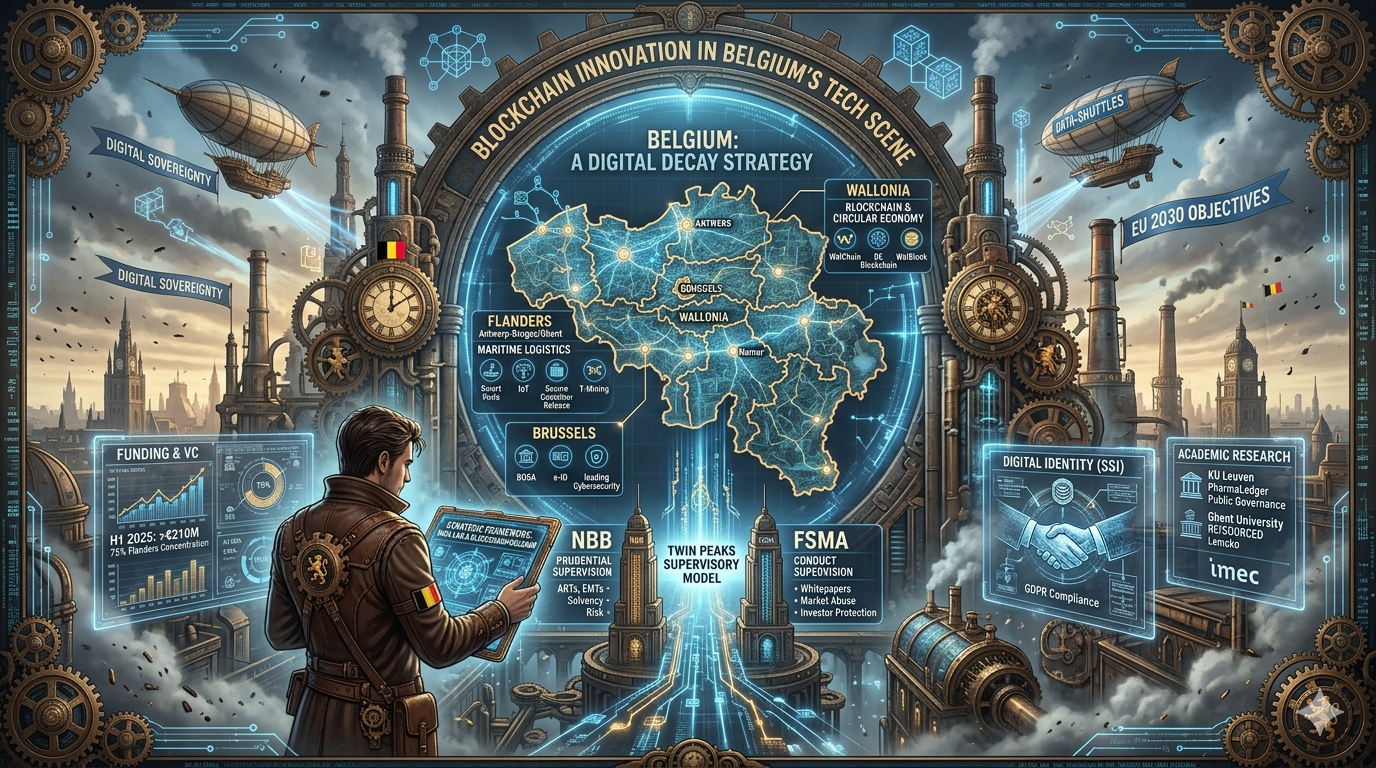
The most significant shift in the Belgian blockchain landscape occurred with the legislative implementation of the European Markets in Crypto-Assets (MiCA) Regulation. The Belgian Law of 11 December 2025 represents a definitive end to the "wild west" era of unregulated digital assets, establishing a rigorous framework for licensing, supervision, and enforcement. This law adopted a "twin peaks" supervisory model, a structure common in traditional Belgian finance, now adapted for the complexities of the crypto-asset sector.
The Financial Services and Markets Authority (FSMA) and the National Bank of Belgium (NBB) share supervisory responsibilities, though their mandates are distinct. The FSMA is primarily charged with conduct-related supervision, encompassing the oversight of public offers, the verification of crypto-asset white papers, and the regulation of marketing communications. Crucially, the FSMA holds exclusive authority over the prevention and prohibition of market abuse, including insider trading and market manipulation within the crypto sector. The NBB, conversely, manages the prudential dimension of supervision, ensuring the solvency, liquidity, and risk management of issuers, particularly those dealing with Asset-Referenced Tokens (ARTs) and E-Money Tokens (EMTs).
Category of Crypto-Asset | Primary Prudential Regulator | Conduct of Business Regulator | Additional Oversight |
Asset-Referenced Tokens (ARTs) | National Bank of Belgium (NBB) | Financial Services & Markets Authority (FSMA) | NBB handles authorizations |
E-Money Tokens (EMTs) | National Bank of Belgium (NBB) | Financial Services & Markets Authority (FSMA) | FPS Economy (interest prohibition) |
Utility Tokens / Other Assets | FSMA (via notification) | Financial Services & Markets Authority (FSMA) | No prior approval required |
Regulated Financial Institutions | NBB (existing status) | FSMA (MiCA conduct rules) | Dual-supervisory regime |
The Law of 11 December 2025 also introduced fundamental changes to the Anti-Money Laundering (AML) Act of 2017. The previously used term "virtual currency" has been excised in favor of the MiCA-compliant "crypto-asset," and Crypto-Asset Service Providers (CASPs) are now treated as fully regulated entities. A particularly rigorous requirement under this law is the mandatory risk mitigation for transactions involving self-hosted (unmanaged) wallets, requiring CASPs to verify the identity of the wallet owner. Non-compliance with these regulations carries severe penalties, including administrative fines of up to €5,000,000 or 15% of annual turnover, and criminal sanctions including imprisonment. This regulatory clarity is intended to foster institutional confidence, enabling banks, law firms, and insurance companies to engage with DLT without the risk of systemic instability or legal ambiguity.

Maritime Innovation: Blockchain at the Port of Antwerp-Bruges
The maritime sector represents the most mature application of blockchain in the Belgian industrial landscape. The Port of Antwerp-Bruges, the second-largest port in Europe, has emerged as a global testing ground for the "Smart Port" paradigm, where digital twins, autonomous drones, and blockchain technology converge to optimize logistics and enhance security. The port's strategic embrace of innovation is driven by the need to manage over 30 different parties involved in container release—including carriers, terminals, forwarders, and haulers—in a process that historically generated hundreds of fragmented interactions via email, phone, and fax.
The primary challenge addressed by blockchain in the port is the "PIN code problem." Traditional container release relied on alphanumeric passwords that were vulnerable to social engineering and theft, often exploited by organized crime for cargo theft or the smuggling of illicit substances. In response, the Antwerp-based startup T-Mining developed the "Secure Container Release" (SCR) solution. This application utilizes blockchain-enabled tokens to replace PIN codes, ensuring that digital rights to a container are non-duplicable and can only be transferred between verified participants in the logistics chain.
Metric | Traditional System | Blockchain-Enabled SCR System |
Authentication Method | Email/Fax/PIN Codes | Decentralized Tokens (SSI) |
Security Risk | High (password theft/fraud) | Minimal (immutable blockchain ledger) |
Operational Speed | High friction (manual verification) | Automated via Smart Contracts |
Data Privacy | Fragmented silos | Commercial Privacy / SSI |
Participant Scale | 30+ parties per container | 1,400+ companies onboarded |
The adoption of the SCR system has been significant, with global carriers such as CMA CGM and MSC integrating the technology into their Antwerp operations. T-Mining’s success highlights a broader trend in Belgian blockchain innovation: the move toward sector-specific applications that solve critical safety and precision challenges. The Port of Antwerp-Bruges facilitates this by acting as an "Open Innovation Platform," collaborating with tech hubs like "The Beacon" to integrate blockchain with the Internet of Things (IoT) and Artificial Intelligence (AI) for real-time monitoring of water quality, infrastructure integrity, and traffic flow. This ecosystem-led approach positions the maritime sector as a leading beneficiary of the "Digital Twin" of the port area, where every ship movement and energy transaction is recorded on a secure, immutable ledger.
Economic Landscape: Funding, Venture Capital, and Regional Hubs
The Belgian tech ecosystem in 2025 is in a state of maturation, characterized by a shift from speculative growth toward "Deep Tech" and AI-driven initiatives. While the total amount of tech funding saw a 50% adjustment in the first half of 2025 compared to the record-breaking levels of 2024, the underlying health of the startup scene remains vibrant. Early-stage resilience is particularly noteworthy, with a 50% increase in recorded seed rounds in H1 2025, suggesting a steady pipeline of new innovation.
Funding for Belgian tech startups surpassed €210 million in H1 2025, but the market shows a distinct regional concentration. Flanders remains the dominant hub, capturing approximately 75% of total funding, a figure significantly higher than its historical average. This concentration is supported by world-renowned research centers like imec and the "digitech" community in Ghent, which has produced a high volume of university spin-offs and specialized AI companies. Wallonia has shown a rebound, accounting for 19% of investment, while the Brussels-Capital Region has slipped to a distant third place, holding only an 8% share of total startup funding—a decline attributed to talent market challenges and political uncertainty.
Region | Share of H1 2025 Funding | Core Strengths | Key Enablers |
Flanders | ~75% | Deep Tech, AI, Photonics, Biotech | imec, Ghent University, imec.istart |
Wallonia | ~19% | Blockchain, Circular Economy, Medtech | WalChain, BE Blockchain, WalBlock |
Brussels | ~8% | SaaS, Cybersecurity, Fintech | EEBIC, BOSA, International Hubs |
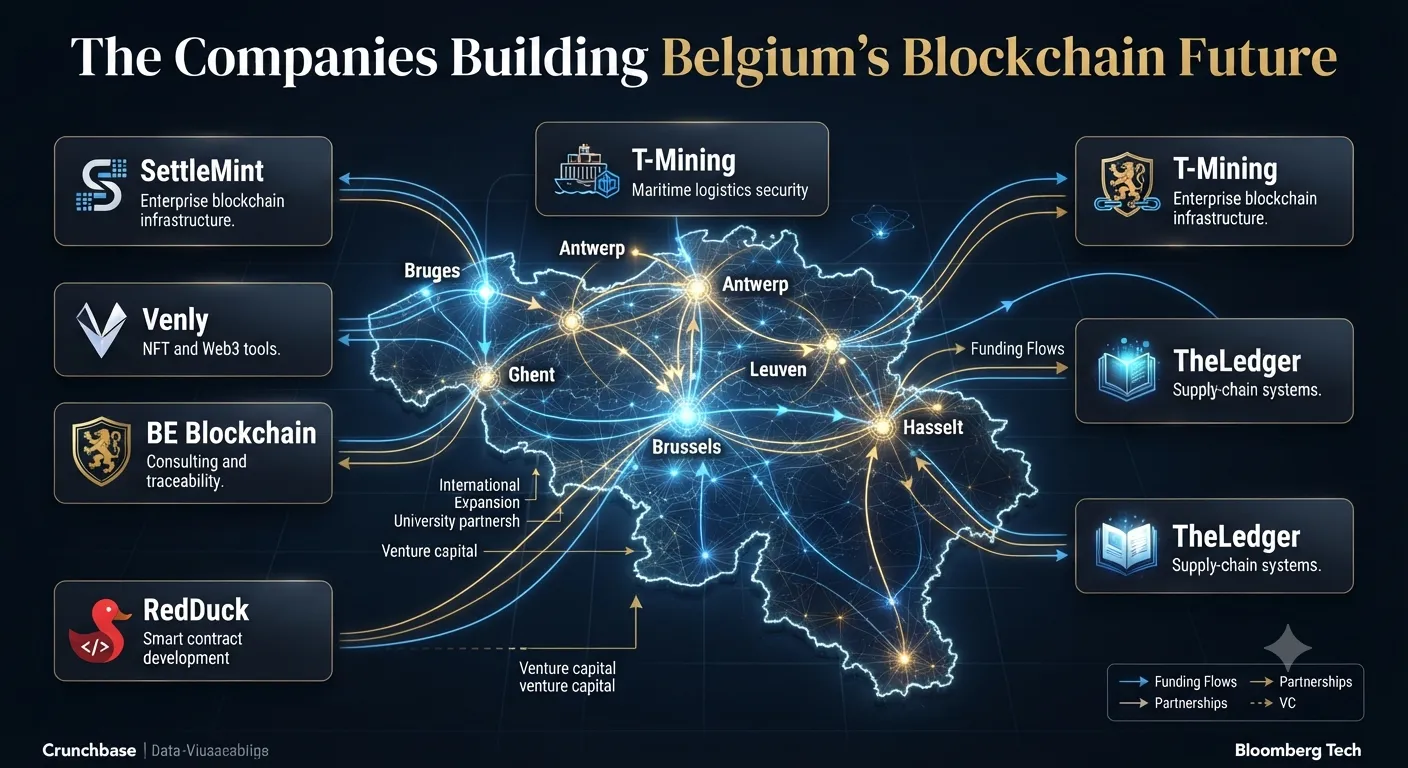
In the blockchain-specific sector, companies like SettleMint (Leuven) and Venly (Antwerp) have demonstrated the ability to scale internationally. SettleMint, founded in 2016, provides low-code infrastructure that allows traditional enterprises to build blockchain applications without deep internal specialization, a value proposition that earned them a spot in the EIC Scaling Club. The venture capital landscape supporting these entities includes specialized firms such as Tioga Capital Partners and Solidity Ventures, which focus on Web3 and blockchain infrastructure. Despite a temporary pullback from foreign investors—whose participation dipped below 50% for the first time in 2025—renowned VC firms continue to target Belgian deep-tech startups due to their strong academic foundations and high capital efficiency.
Academic Research and Cross-Sectoral Innovation
Belgian universities are central to the nation's blockchain innovation, providing the theoretical rigor and interdisciplinary research necessary for complex societal applications. KU Leuven and Ghent University have established themselves as European leaders in DLT research, often collaborating on large-scale, EU-funded projects.
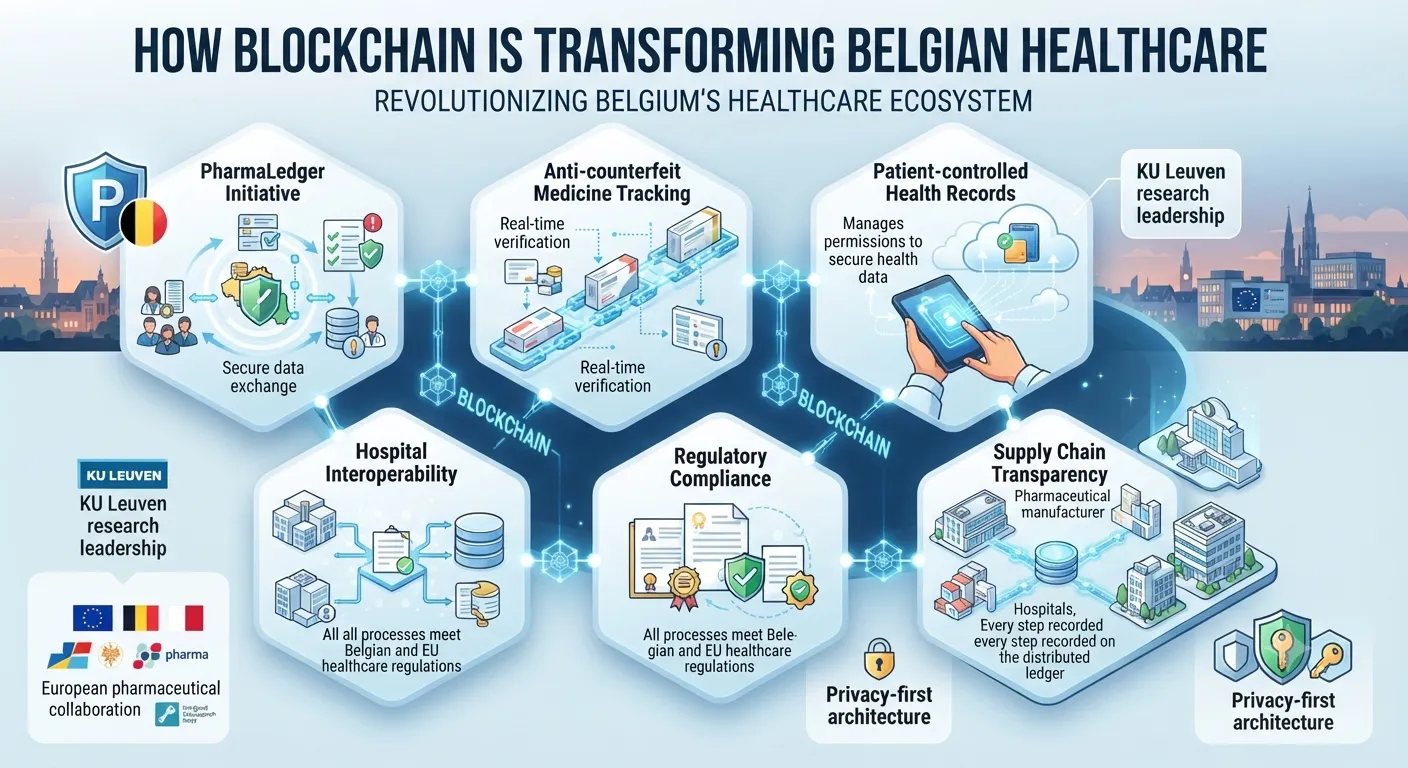
At KU Leuven, the Public Governance Institute has conducted extensive research into "Designing blockchain-based public governance models," exploring the trade-offs between technological potential and political-legal realities. Projects like "BelBlock" and "DIGI4FED" have specifically investigated the implementation of blockchain for public services and the creation of an open governance ecosystem for the Belgian Federal Government. Furthermore, the PharmaLedger project, involving KU Leuven and 28 international partners, represents a significant effort to digitize the healthcare supply chain, using blockchain to combat counterfeit medicines and ensure product integrity from manufacturer to patient.
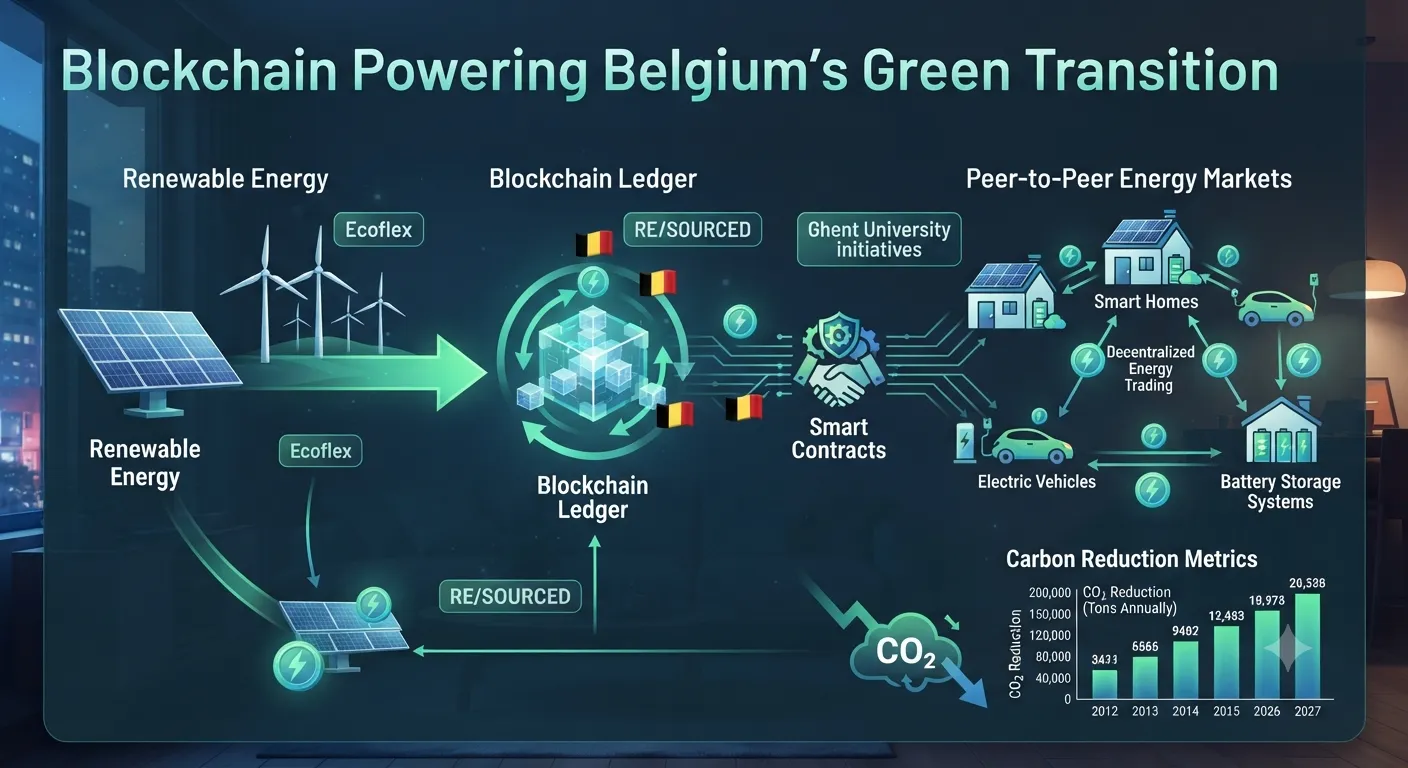
Ghent University’s research focus often intersects with environmental sustainability and the circular economy. The "RE/SOURCED" and "Ecoflex" projects explore the use of blockchain for local flexibility in multi-energy and e-mobility assets, facilitating the transition to carbon-neutral energy grids. These academic initiatives are complemented by the "SolidLab Flanders" program, a €14 million investment exploring the practical implementation of the Solid standard for secure personal data exchange—a technology often combined with blockchain to enhance digital sovereignty.
University | Key Research Vertical | Notable Project / Unit |
KU Leuven | Public Governance | Public Governance Institute (DIGI4FED, BelBlock) |
KU Leuven | Healthcare & Supply Chain | PharmaLedger (Innovative Medicines Initiative) |
KU Leuven | Software Engineering | DistriNet (Distributed Software Frameworks for DApps) |
Ghent University | Energy & Smart Grids | Lemcko (Ecoflex, RE/SOURCED) |
Ghent University | Sustainability | Design Research for Environmental Sustainability |
A critical theme in Belgian research is the navigation of uncertainty in emerging technologies. Dissertations at KU Leuven and Ghent University have highlighted the "wicked problems" associated with climate change and biodiversity loss, arguing that blockchain applications for environmental sustainability must embrace a co-evolutionary design process. By treating blockchain as an evolving socio-technical platform rather than a fixed solution, these researchers are developing actionable design principles that can be applied to multi-sided platforms for sustainable water trading and resource tokenization.
Emerging Themes: Digital Identity and the Web3 Transition
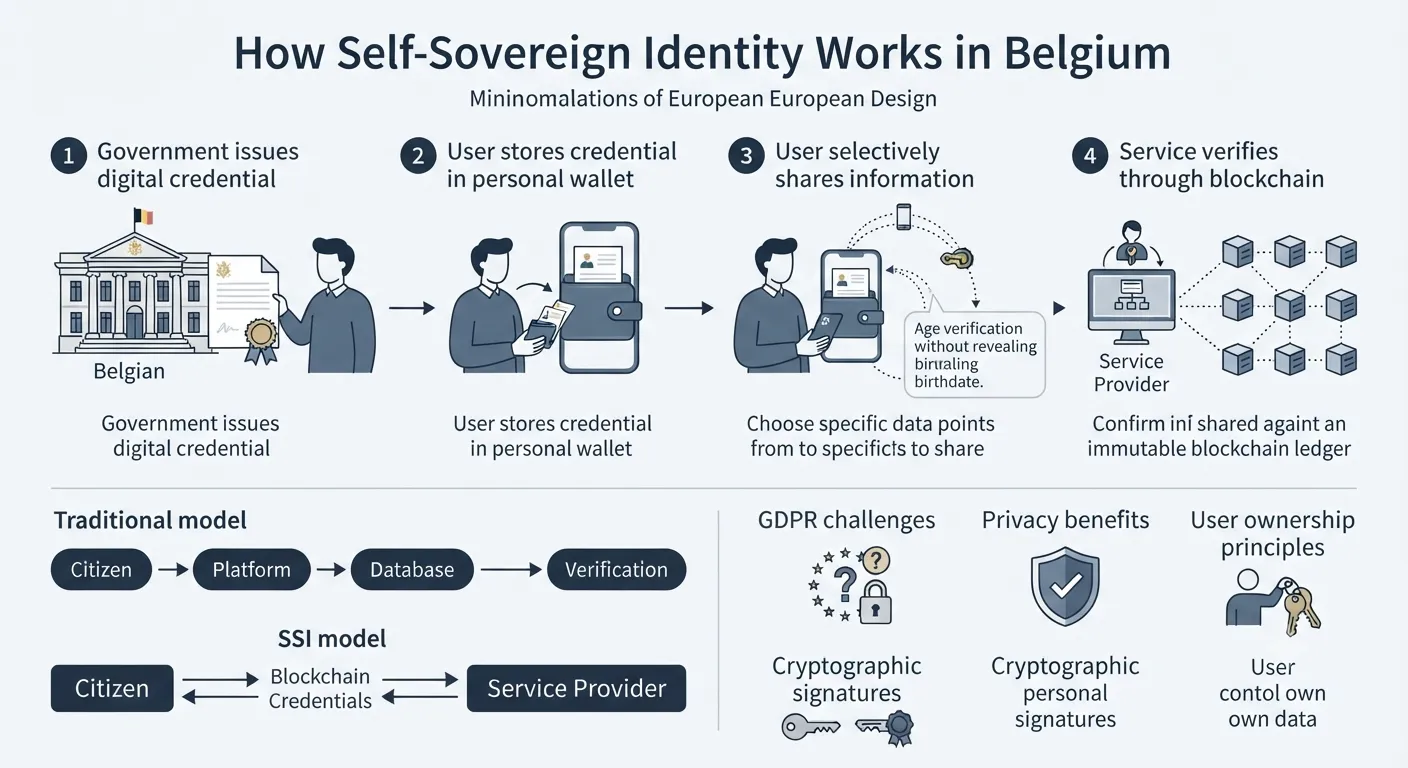
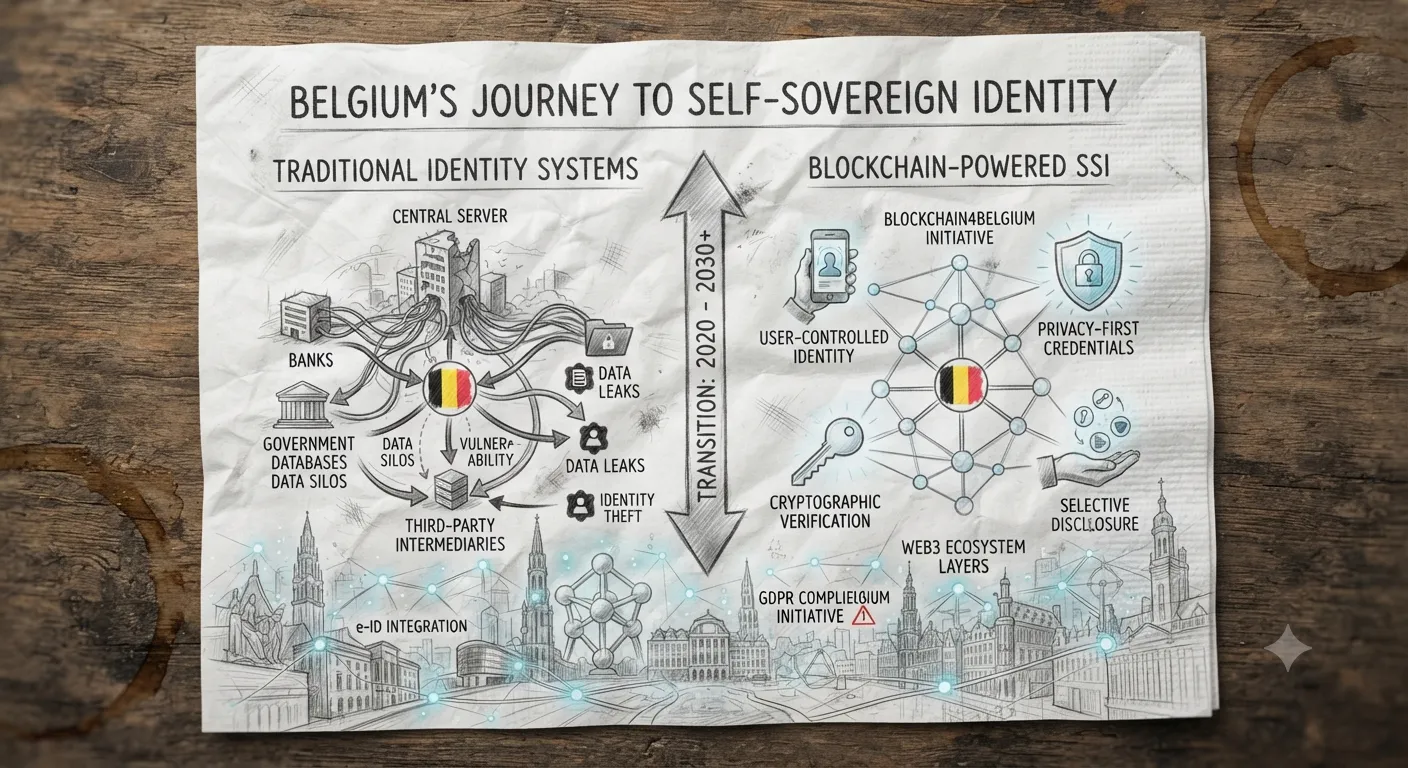
The concept of "Digital Sovereignty" is central to Belgium’s Web3 vision. Blockchain4Belgium and the SPF BOSA are actively promoting decentralized management of identities, allowing citizens to reclaim control over their online interactions. This shift involves moving away from the dependency on centralized intermediaries toward a system of cryptographic attestations and Self-Sovereign Identity (SSI). Such a system enables individuals to prove attributes—such as their age, professional qualifications, or residency—without disclosing sensitive personal data.
Identity Model | Traditional Database Model | Blockchain-Based SSI Model |
Storage | Centralized, encrypted databases | Decentralized, hierarchical tokens |
Verification | Third-party validation (Intermediary) | Direct cryptographic attestation |
Control | Provider-managed | User-owned / Self-sovereign |
Privacy | High risk of data breach/leakage | Enhanced privacy via data minimization |
Research into "hierarchical blockchain tokens" suggests an ecosystem where government-certified and uncertified tokens can coexist. This would allow for a flexible digital identity where various attributes of an individual’s identity are represented by intangible, programmable objects. However, the practical implementation of these systems faces significant hurdles. The "right to erasure" and "right to rectification" under the GDPR are particularly difficult to reconcile with the immutability characteristic of blockchain. Furthermore, determining accountability in a global, decentralized network remains a complex legal challenge that requires ongoing coordination between European and national authorities.
Professional Ecosystem and Service Providers
The Belgian blockchain landscape is supported by a sophisticated network of development companies and specialized consultancies. Companies like RedDuck, BE Blockchain, and Cyrex Enterprise offer a wide range of services from smart contract development to decentralized application (DApp) architecture. These firms demonstrate high expertise in sectors such as financial services, gaming, and logistics, often integrating blockchain with other advanced technologies like AI and AR/VR.
Service Provider | Location | Core Specialization | Industry Expertise |
SettleMint | Leuven | Blockchain-as-a-Service (BaaS) | Enterprise, Public Sector, Institutional |
RedDuck | Multiple | DApp & Smart Contract Dev | Financial Services, Gaming, Logistics |
BE Blockchain | Namur | Web3 & Blockchain Consulting | Transparency, Traceability, Escrow |
Cyrex Enterprise | Gent | Custom Software & DevOps | SaaS, Retail, Information Technology |
TheLedger | Kontich | 100% Blockchain focus | Supply Chain, Distributed Ledgers |
T-Mining | Antwerp | Maritime Logistics | Secure Container Release, SSI |
A key trend in 2025 is the integration of blockchain into the broader "Extended Reality" (XR) ecosystem. The Belgium XR Report 2025 highlights how organizations are embracing SaaS and "Industrial Metaverse" solutions for training, product prototyping, and remote maintenance. Blockchain provides the underlying security and asset ownership layers for these immersive environments, particularly in sectors where precision and safety are critical, such as healthcare and life sciences. Belgian XR organizations are already seeing over 75% of their sales coming from international markets, underscoring the global reach of the nation’s specialized tech sector.

Future Outlook and Strategic Synthesis
As Belgium moves toward the end of the decade, the integration of blockchain technology is likely to follow a trajectory of deeper industrial embeddedness and regulatory maturity. The nation is successfully positioning itself as a "Digital Frontier," leveraging its high-performance connectivity and cybersecurity strengths to build a resilient tech economy. The "Twin Peaks" regulatory model, while introducing additional complexity, provides the necessary safeguards to prevent market abuse and ensure the stability of the burgeoning crypto-asset market.
However, the transition is not without its risks. The persistent digital skills mismatch and the gender imbalance in STEM professions remain significant barriers to achieving full digital inclusion. Furthermore, the decline in tech funding in 2025 suggests that the ecosystem must transition from a reliance on early-stage seed capital to a more robust model of late-stage scale-up financing. To achieve this, Belgium must continue to foster "European Champions" by supporting the convergence of blockchain with AI and other strategic technologies.
Strategic Pillar | Future Objective (2030) | Primary Challenge |
Administrative Efficiency | 100% online public services via blockchain/SSI | Reconciling immutability with GDPR |
Economic Growth | Creation of 10+ Tech Unicorns | Addressing the late-stage funding gap |
Industrial Security | Global standard for maritime blockchain logistics | Interoperability between international ports |
Social Inclusion | Comprehensive digital literacy and gender balance | Overcoming STEM and ICT professional shortages |
In conclusion, Belgium's blockchain innovation scene is a testament to the power of coordinated, institutionally-backed technological evolution. By combining academic excellence, regional industrial strengths, and a proactive regulatory stance, the nation has moved beyond the hype of early-stage crypto-adoption to build a sophisticated architecture of trust. The successes at the Port of Antwerp-Bruges, the resilience of the deep-tech startup scene, and the rigor of the national legislative framework provide a compelling model for how a modern state can navigate the transition to a decentralized digital future. The challenges of the coming years—talents shortages, funding adjustments, and the legal complexities of data privacy—will require continued collaboration across the Belgian "Triple Helix" of government, industry, and academia to ensure that the nation remains a leading force in the European digital decade.
Want to calculate the equity for your cofounder?
Nail your cap table before you sign. Whether you're splitting equity with a co-founder or planning your next funding round, our Equity Calculator gives you precision in seconds
Equity calculator →