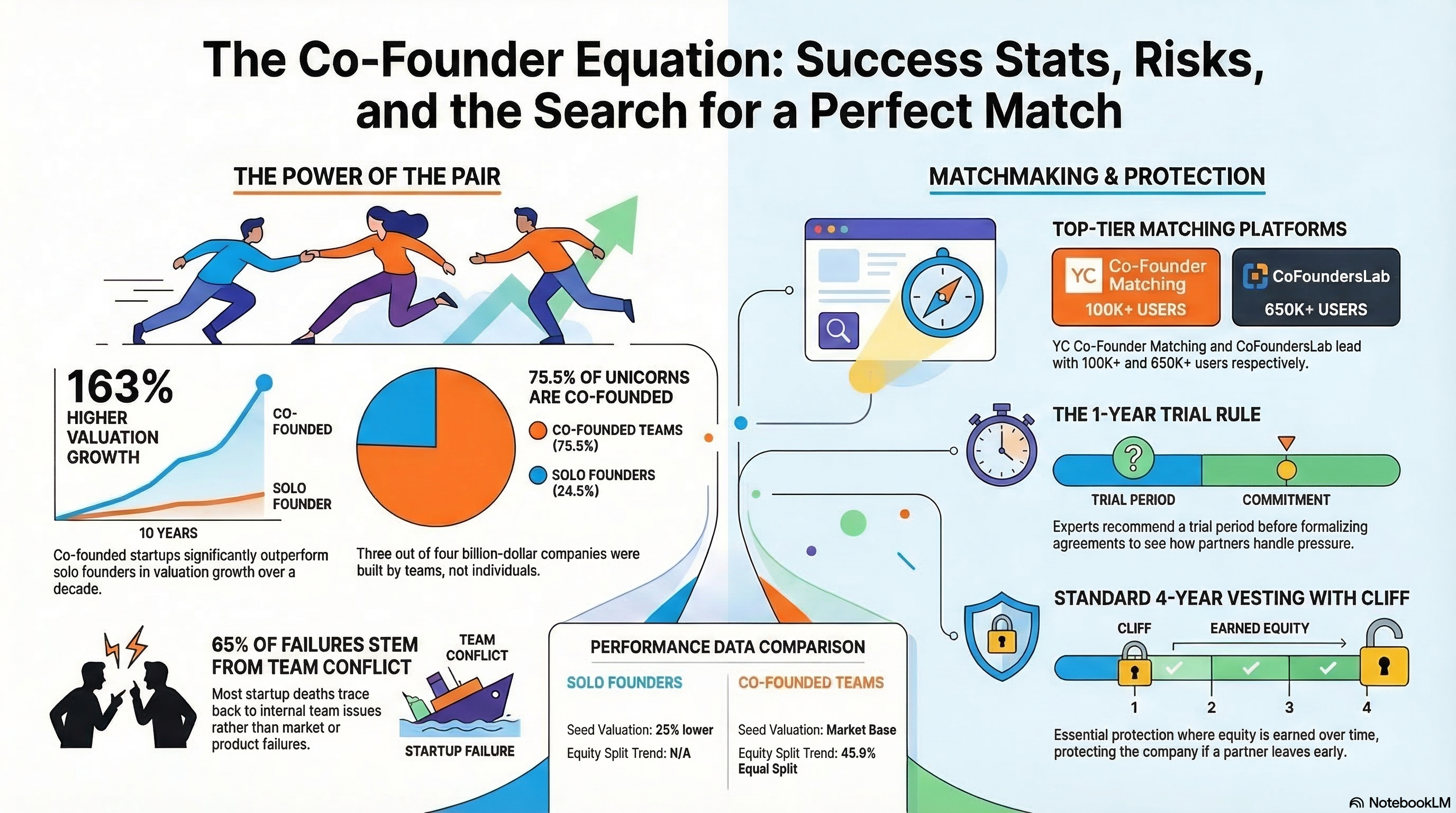
The Most In-Demand Skills for Startup Founders in 2026
February 23, 2026 by Harshit GuptaIn 2026, the landscape for startup founders is shaped by a mix of technological fluency, business fundamentals, and human-centered capabilities—a blend that enables founders to innovate rapidly while navigating uncertainty and competitive pressure. One of the most essential skills is strategic thinking and long-term visioning, which allows founders to not only identify opportunities in complex markets but also chart realistic paths to growth and scalability, particularly in fields like AI, sustainability, and digital services that are gaining momentum this year. � Alongside strategy, digital literacy and AI proficiency have become foundational; even non-technical founders are expected to harness tools such as generative AI for rapid prototyping, market research, and automation, effectively transforming AI into a strategic co-founder rather than just a tool.
Founders also need strong communication and storytelling skills—not just for simple marketing, but for shaping compelling narratives that attract users, investors, and partners in an era where authentic messaging cuts through the saturation of generic AI content. � This includes clear written communication, persuasive pitching, and the ability to build a personal or brand story that resonates emotionally. Financial acumen and business modeling remain evergreen skills: understanding unit economics, runway management, and funding strategies ensures that founders can translate ambition into sustainable business operations. �
Beyond concrete tech and business skills, modern founders must excel at adaptability, resilience, and emotional intelligence. Markets evolve rapidly, customer behaviors shift unpredictably, and early-stage feedback often contradicts expectations; founders who can pivot thoughtfully, lead diverse teams with empathy, and maintain psychological resilience are better positioned to endure the highs and lows of startup life. �
1. AI Literacy & Human-in-the-Loop Thinking
AI literacy in 2026 is no longer about knowing how machine learning works at a theoretical level—it is about knowing how to effectively collaborate with AI systems to produce better outcomes while maintaining human judgment and responsibility. For startup founders, this means understanding what modern AI tools are good at (pattern recognition, content generation, summarization, automation) and where they are weak (context, nuance, ethics, accountability, and edge cases). Founders who are AI-literate can rapidly prototype ideas, analyze customer feedback at scale, automate repetitive tasks, and move faster than competitors—without mistaking AI output for truth or strategy.
Human-in-the-loop thinking is the discipline that separates effective AI use from reckless automation. It recognizes that AI should augment decision-making, not replace it, especially in high-impact areas like product direction, pricing, hiring, customer communication, and ethical choices. A founder practicing human-in-the-loop design intentionally inserts human review, judgment, or intervention at critical points in an AI-driven workflow. For example, AI might draft customer emails, analyze usage patterns, or suggest feature priorities—but the founder validates assumptions, applies context, and makes the final call. This approach reduces risk while preserving speed.
For founders, AI literacy also includes prompting skill and system design, not just tool usage. Knowing how to frame problems clearly, provide constraints, and iteratively refine prompts dramatically affects output quality. More importantly, founders must learn to design repeatable workflows—where AI reliably supports specific tasks—rather than relying on one-off prompts. This might include AI-assisted user research synthesis, onboarding copy generation, bug triage, or sales outreach personalization. The value comes not from novelty, but from consistency and integration into daily operations.
Crucially, AI-literate founders understand when not to use AI. Over-automation can damage trust, especially in user-facing interactions where empathy and accountability matter. Blind reliance on AI can also reinforce flawed assumptions, amplify bias, or lead to strategic drift. Human-in-the-loop thinking forces founders to ask: What decision is this supporting? What is the cost of being wrong? Where must human judgment remain? In 2026, the most effective founders are not those who automate everything, but those who thoughtfully combine AI speed with human insight—using AI as leverage, not authority.
2. Problem Discovery & Customer Insight
Problem discovery and customer insight are foundational skills for startup founders because the quality of the problem you choose determines the ceiling of everything that follows—product, growth, and revenue. In 2026, when tools make building cheaper and faster than ever, the true differentiator is not execution speed but insight accuracy. Founders who excel at problem discovery do not start with solutions or technology; they start by deeply understanding users’ lived experiences, frustrations, motivations, and constraints. This requires deliberate curiosity and discipline, not intuition alone.
Effective problem discovery begins with direct exposure to users. Founders must learn how to conduct high-quality customer interviews that focus on past behavior rather than hypothetical opinions. Instead of asking users what they would like, strong founders ask what they did the last time they encountered a problem, how often it occurs, what they tried, and what it cost them in time, money, or stress. The goal is to uncover patterns across users, not to validate an idea. Real insights emerge when users describe workarounds, repeated failures, or emotional reactions—signals that a problem is both real and painful.
Customer insight also comes from observing behavior, not just listening to words. Usage data, drop-off points, repeated actions, and manual workarounds often reveal more than feedback forms ever will. Founders must be able to interpret these signals without bias, resisting the urge to explain away inconvenient truths. For solo founders and early teams, even small sample sizes can be powerful if the product is narrowly focused. The key skill is distinguishing between noise (polite interest, generic praise) and signal (urgency, repetition, willingness to change behavior).
In 2026, problem discovery increasingly involves synthesizing large volumes of qualitative and quantitative input—often with the help of AI—while maintaining human judgment. Founders must be able to turn messy insights into clear problem statements that define who the user is, what they struggle with, and why existing solutions fail. This clarity directly informs MVP scope, positioning, and prioritization. Founders who master problem discovery build less, pivot earlier, and create products that feel inevitable rather than forced. In an environment where anyone can build, understanding the customer better than anyone else is the ultimate competitive advantage.
3. Rapid Experimentation & MVP Execution
Rapid experimentation and MVP execution are critical founder skills in 2026 because the speed at which you learn now matters more than the speed at which you build. With modern tools, almost any idea can be implemented quickly, but only founders who can test assumptions systematically and iterate based on evidence are able to find real traction. This skill is about turning uncertainty into structured experiments, minimizing wasted effort, and progressing toward product–market fit through deliberate learning rather than guesswork.
At the core of rapid experimentation is the ability to identify the riskiest assumption first. Instead of building full products, effective founders ask: What must be true for this idea to work? This might involve demand, willingness to pay, habit change, or trust. The MVP is then designed specifically to test that assumption, not to represent the final product. In practice, this means ruthless prioritization—one target user, one problem, one core action. Everything else is deferred. Founders who master this avoid the common trap of building feature-rich products that answer no meaningful questions.
Execution speed is not about cutting corners randomly; it is about intentional simplification. Founders choose the fastest stack they know, accept manual workflows, hard-code logic, and tolerate imperfect design if it gets the product into users’ hands sooner. They optimize for time-to-feedback, not elegance. Just as important, they design experiments so results are easy to interpret. If users do not engage, the signal is clear. If they return or attempt to pay, the signal is strong. This clarity enables confident decisions to iterate, pivot, or stop.
In 2026, rapid experimentation is amplified by AI and no-code tools, but the founder’s judgment remains the bottleneck. Tools can speed up building, but only disciplined execution ensures learning compounds. Founders who excel here treat MVPs as experiments, not milestones. They ship small, observe behavior, make targeted changes, and repeat—often in days, not months. Over time, this skill creates a powerful advantage: while others debate and polish, rapid experimenters accumulate insight, adapt faster, and arrive at scalable solutions with far less wasted effort.
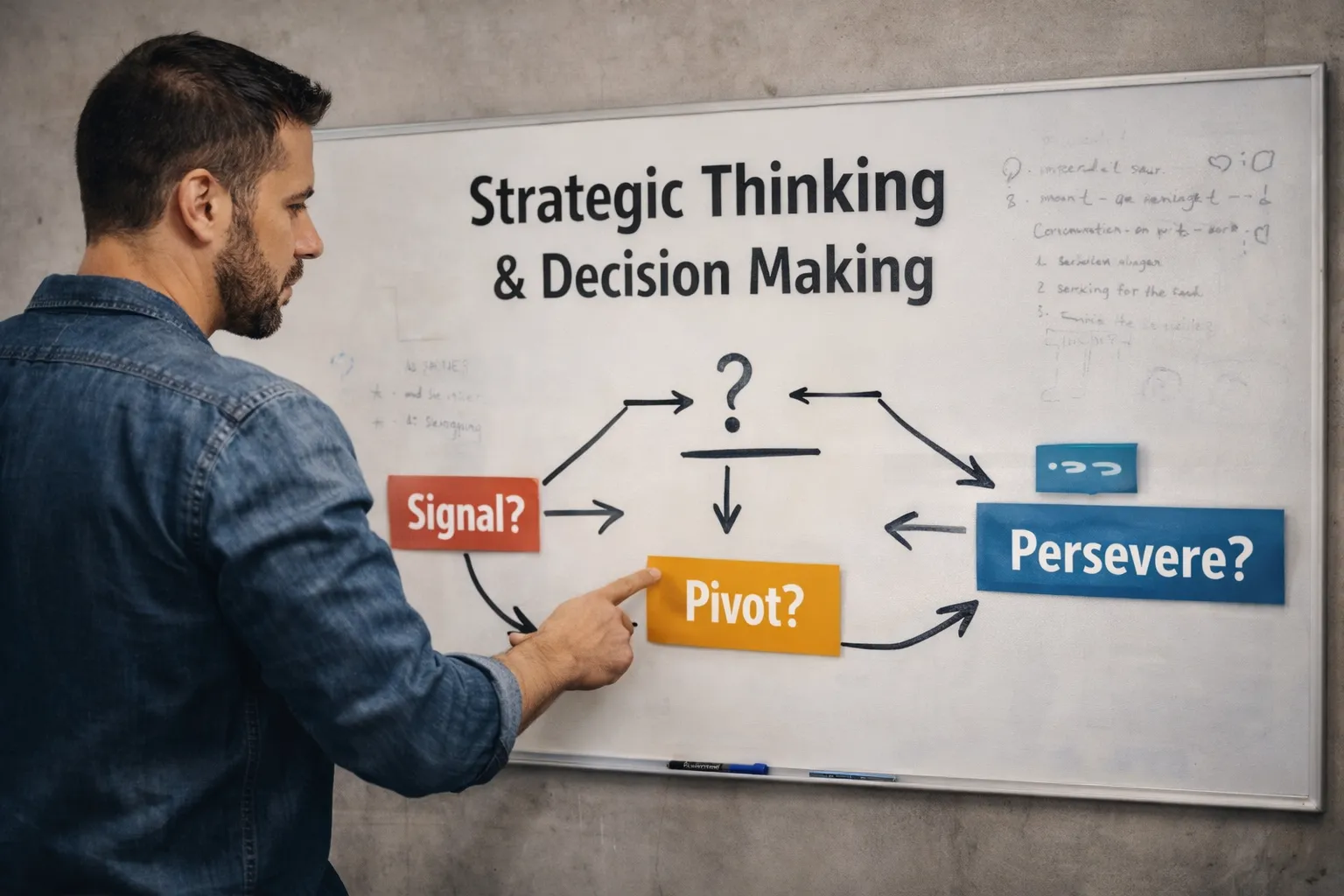
4. Strategic Thinking & Decision-Making Under Uncertainty
Strategic thinking and decision-making under uncertainty are core founder skills in 2026 because startups rarely operate with complete information, stable markets, or predictable outcomes. Founders must continuously make high-impact decisions—what to build next, which users to focus on, when to invest, when to wait—without knowing whether those decisions are “correct.” Strategic thinking is not about long-term plans carved in stone; it is about forming clear hypotheses, understanding trade-offs, and choosing directions that maximize learning and upside while limiting irreversible risk. In an environment where change is constant, the ability to think clearly amid ambiguity becomes a decisive advantage.
At its core, strategic thinking involves prioritization and focus. Founders face far more opportunities than they can pursue, and indecision is itself a decision—often an expensive one. Strong founders learn to distinguish between reversible and irreversible choices, acting quickly on decisions that can be undone while slowing down on those with lasting consequences. They also develop the discipline to say no to attractive distractions, recognizing that progress comes from depth, not breadth. Strategy is as much about what you intentionally ignore as what you choose to pursue.
Decision-making under uncertainty also requires comfort with imperfect data. Waiting for certainty usually means waiting too long. Instead, effective founders use leading indicators—user behavior, small experiments, directional metrics—to guide action. They update their beliefs as new information arrives, without clinging to past decisions out of ego or sunk-cost bias. This mental flexibility allows founders to pivot early when signals are weak, double down when traction is real, and avoid drifting in a state of hopeful ambiguity.
In 2026, strategic founders also understand that clarity compounds. Clear goals, clear assumptions, and clear decision criteria reduce cognitive load and improve execution across the company. Even in chaos, teams move faster when they understand the “why” behind decisions. Ultimately, strategic thinking under uncertainty is not about always being right—it is about creating a system for making better decisions over time. Founders who master this skill navigate volatility with confidence, adapt faster than competitors, and turn uncertainty from a threat into a source of leverage.
5. Clear Communication & Storytelling
Clear communication and storytelling are critical founder skills in 2026 because attention is scarce, trust is fragile, and most products compete in noisy markets saturated with similar claims. Founders must be able to explain what they are building, why it matters, and who it is for in a way that is instantly understandable and emotionally resonant. This is not limited to pitching investors—it applies equally to onboarding users, aligning teams, selling early customers, and even thinking clearly about the product itself. If a founder cannot articulate the value simply, the product will struggle regardless of how well it is built.
Clear communication begins with clarity of thought. Founders who communicate well have done the hard work of distilling complexity into essentials: the core problem, the specific user, and the concrete outcome. This clarity shows up in concise value propositions, focused product copy, and straightforward internal discussions. In early-stage startups, ambiguity spreads quickly; unclear communication leads to misaligned expectations, wasted effort, and inconsistent decisions. Strong communicators reduce friction by making goals, priorities, and trade-offs explicit, especially during periods of change or uncertainty.
Storytelling adds meaning and momentum to clarity. Humans do not connect with features—they connect with narratives. Effective founders frame their product within a story that highlights the user’s struggle, the stakes of the problem, and the transformation the product enables. This narrative helps users see themselves in the solution, investors understand the opportunity, and teams feel motivated by purpose rather than tasks. In 2026, where AI can generate competent but generic content at scale, authentic founder storytelling stands out precisely because it is grounded in lived insight and conviction.
Importantly, storytelling is not exaggeration or hype. Trust is built through honesty, consistency, and empathy. Founders who oversell or obscure reality may win short-term attention but lose long-term credibility. The best communicators balance optimism with realism, adapting their message to different audiences without distorting the truth. Mastery of clear communication and storytelling allows founders to cut through noise, align people around a shared vision, and turn understanding into action—making it one of the most powerful leverage skills a founder can develop.
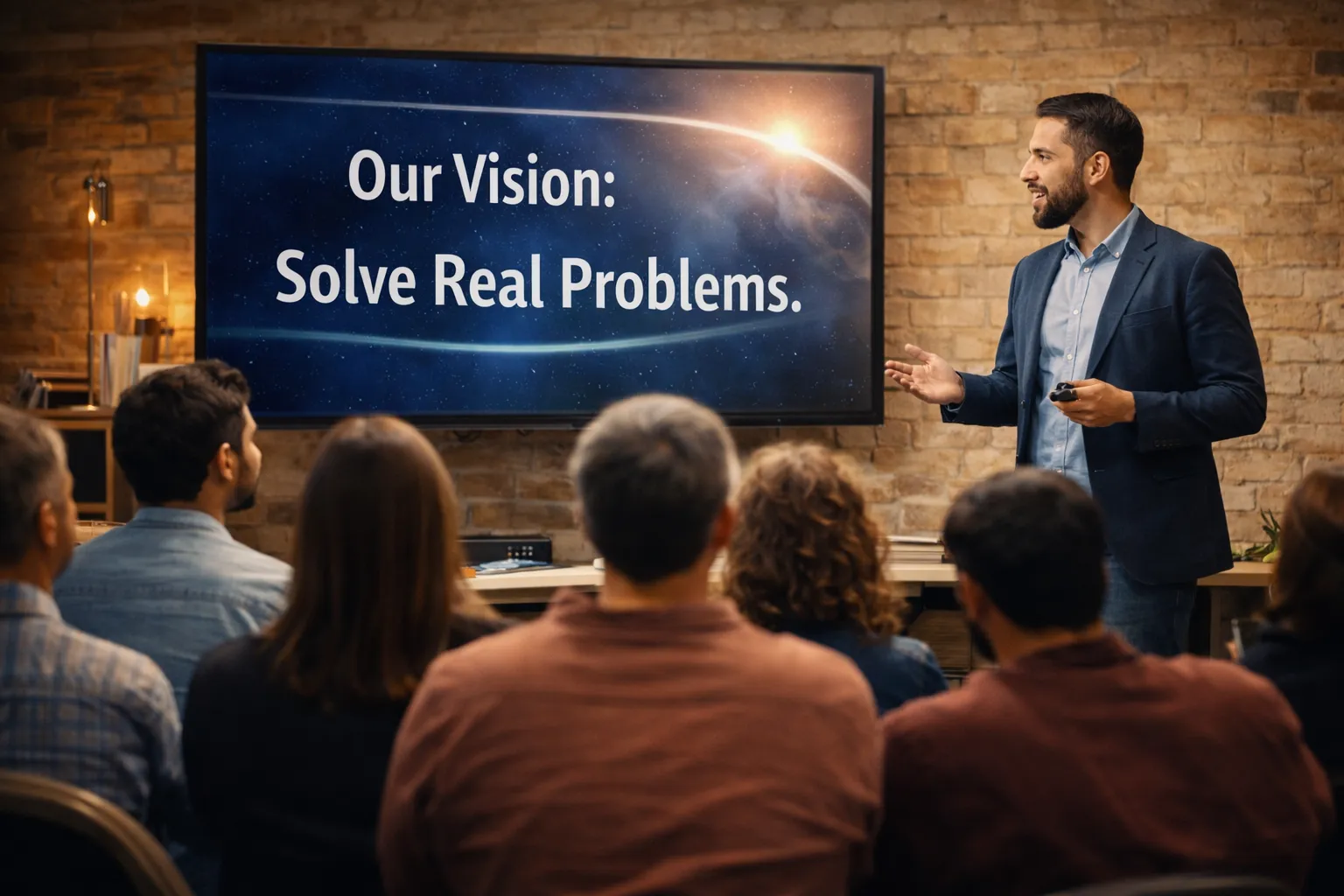
6. Distribution & Growth Fundamentals
Distribution and growth fundamentals are among the most critical founder skills in 2026 because building a product is no longer the hard part—getting it discovered, adopted, and retained is. Advances in AI, no-code tools, and cloud infrastructure have dramatically lowered the barrier to building, which means competition is intense and differentiation through features alone is fragile. Founders must therefore understand how value reaches users: where attention comes from, how trust is built, and what motivates someone to try, adopt, and continue using a product. Growth is not a late-stage concern; it begins the moment you define your target user and problem.
At the core of distribution is channel clarity. Effective founders identify where their ideal users already spend time—communities, platforms, search engines, inboxes, or peer networks—and design acquisition strategies that feel native to those environments. Rather than chasing every channel, strong founders focus on one or two that align with user behavior and the product’s value proposition. For example, products that solve recurring professional problems may benefit from content and SEO, while niche B2B tools may grow faster through direct outreach or partnerships. The key skill is not knowing every channel, but understanding how to test channels quickly, measure signal quality, and double down on what works.
Growth fundamentals also include activation and retention, not just acquisition. Getting users to sign up is meaningless if they never reach value or return. Founders must understand their product’s growth funnel: what triggers first use, how users experience the “aha moment,” and what drives repeated engagement. Small improvements in onboarding clarity, time-to-value, or habit formation often have a greater impact than increased traffic. In early-stage startups, growth is usually constrained by product clarity and relevance—not marketing reach—making this insight especially important.
In 2026, sustainable growth increasingly depends on trust and authenticity. Users are more skeptical, feeds are saturated, and AI-generated content has raised the baseline noise level. Founders who understand distribution recognize that growth is not manipulation—it is alignment. The product must deliver real value, the message must be honest, and the channel must respect the user’s context. Mastery of distribution and growth fundamentals allows founders to escape the “build and hope” trap, turning deliberate learning about users and channels into a repeatable engine for traction
7. Financial Literacy & Business Modeling
Financial literacy and business modeling are essential founder skills in 2026 because a startup can appear to be growing while silently heading toward failure. Founders no longer need to be accountants, but they must deeply understand how money flows through their business, what drives profitability, and which assumptions could break the company if they are wrong. In an environment where building and acquiring users is easier than ever, financial discipline is often the difference between a promising startup and one that collapses under its own weight.
At the foundation is unit economics—understanding how much it costs to acquire, serve, and retain a single customer, and how much value that customer generates over time. Founders must be able to reason clearly about pricing, margins, customer lifetime value, and payback periods, even when numbers are imperfect early on. This clarity prevents common traps such as underpricing out of fear, over-investing in growth before retention is proven, or building products that users love but will never sustain a business. Financially literate founders use these numbers not as rigid constraints, but as signals that guide strategic decisions.
Business modeling adds a forward-looking dimension to financial literacy. It involves creating simple models that test “what if” scenarios: What happens if growth slows? If churn increases? If pricing changes? If funding takes longer than expected? These models help founders understand runway—how long the company can survive under current conditions—and make proactive decisions rather than reactive ones. In early-stage startups, precision matters less than direction; the value lies in understanding sensitivities and trade-offs, not in perfect forecasts.
In 2026, financial literacy also includes making thoughtful choices about funding strategy. Founders must understand the implications of bootstrapping versus raising capital, dilution, burn rate expectations, and how investor incentives may shape company direction. Just as importantly, they must align financial decisions with their personal risk tolerance and long-term goals. Ultimately, founders who master financial literacy and business modeling gain control: they can grow deliberately, survive volatility, and make confident decisions grounded in reality rather than optimism. This skill does not limit ambition—it makes sustainable ambition possible.
8. Emotional Intelligence & Conflict Management
Emotional intelligence and conflict management are critical founder skills in 2026 because startups amplify human emotion as much as they test business ideas. High uncertainty, time pressure, financial stress, and personal identity tied to the company create an environment where emotions regularly influence decisions, communication, and relationships. Founders with strong emotional intelligence (EQ) are able to recognize their own emotional states, understand how those states affect their behavior, and respond intentionally rather than reactively. This self-awareness alone can prevent many of the destructive patterns—defensiveness, avoidance, impulsive decisions—that quietly derail startups from the inside.
Conflict is inevitable in startups, but it is not inherently harmful. In fact, healthy conflict often leads to better decisions. The danger lies in unmanaged or avoided conflict. Founders lacking conflict-management skills may suppress disagreements to maintain surface harmony, allowing resentment to build until it explodes under pressure. Others may confront issues aggressively, prioritizing being right over being effective. Emotionally intelligent founders learn to separate ideas from identity, addressing problems directly without attacking people. They create space for disagreement while maintaining psychological safety, which enables honest discussion and faster resolution.
This skill is especially important in co-founder relationships and early teams, where roles are fluid and stakes feel personal. Founders with high EQ listen actively, seek to understand before responding, and validate emotions even when they disagree with conclusions. They are able to give and receive feedback without triggering defensiveness, and they recognize when a conflict is about misaligned expectations, stress, or fear rather than the surface issue being debated. This ability turns conflict into a source of clarity rather than friction.
In 2026, as teams become more distributed and communication more asynchronous, emotional intelligence becomes even more valuable. Tone, intent, and misunderstanding are easier to misinterpret without face-to-face interaction. Founders who manage conflict well model calm, respectful behavior under pressure, setting cultural norms that scale with the company. Ultimately, emotional intelligence is not a “soft” skill—it is a force multiplier. It improves decision quality, strengthens trust, and sustains founder energy over the long arc of building a company.
9. Adaptability & Learning Velocity
Adaptability and learning velocity are among the most decisive founder skills in 2026 because the half-life of assumptions is shorter than ever. Markets shift quickly, user expectations evolve, competitors emerge overnight, and new tools—especially AI-driven ones—can invalidate strategies in months rather than years. In this environment, success is less about having the best initial idea and more about how quickly a founder can recognize what is no longer true and adjust accordingly. Adaptability is not constant change for its own sake; it is the ability to update direction based on evidence without losing momentum or conviction.
Learning velocity refers to how fast a founder can turn experience into insight and insight into action. High learning velocity founders design their work to generate feedback continuously—through experiments, user conversations, metrics, and reflection. They shorten the loop between decision, outcome, and adjustment. Instead of defending past choices, they treat each step as data. This mindset reduces ego-driven behavior and increases strategic clarity, allowing founders to pivot early when signals are weak and double down confidently when traction is real.
Adaptable founders are also skilled at unlearning. As startups grow, early beliefs about users, pricing, distribution, or even the problem itself may become outdated. Founders who cling to early narratives often slow the company’s evolution. In contrast, those who can let go of comfortable assumptions—even ones that once worked—create space for better strategies to emerge. This requires emotional resilience as much as intellectual flexibility, because letting go can feel like admitting failure even when it is a sign of growth.
In 2026, learning velocity is amplified by access to information and tools, but discipline remains the differentiator. The founders who adapt best are not those who chase every trend, but those who learn deliberately, apply selectively, and reflect consistently. They build systems for learning—regular reviews, clear metrics, and open feedback loops—so adaptation becomes a habit rather than a crisis response. Ultimately, adaptability and learning velocity turn uncertainty into an advantage, enabling founders to stay relevant, resilient, and competitive in rapidly changing environments.
10. Ethical Judgment & Trust Building
Ethical judgment and trust building are foundational founder skills in 2026 because trust has become both more valuable and more fragile. Users, partners, and employees are increasingly skeptical of products that move fast without accountability—especially in an era shaped by AI, automation, data collection, and opaque decision-making systems. Founders are now judged not only by what they build, but by how they build it: how they treat users’ data, how honestly they communicate limitations, how they handle mistakes, and whether their incentives align with user well-being. Ethical judgment is the ability to navigate these gray areas thoughtfully, making decisions that preserve long-term credibility even when short-term gains are tempting.
Trust is rarely built through grand gestures; it is built through consistent, everyday decisions. This includes being honest in marketing instead of exaggerating outcomes, setting realistic expectations, admitting uncertainty, and correcting errors transparently when they occur. Founders with strong ethical judgment recognize that trust compounds over time and that once broken, it is extremely difficult to restore—especially in early-stage startups where reputation travels fast within niche communities. In 2026, where AI-generated content and automated interactions are ubiquitous, authenticity and accountability stand out precisely because they are harder to fake.
Ethical judgment is particularly critical in areas involving AI and data. Founders must decide what to automate, what to review manually, how to explain AI involvement to users, and where human oversight is required. Poor ethical decisions—such as hiding AI use, mishandling data, or deflecting responsibility onto algorithms—may accelerate growth temporarily but often result in backlash, churn, or regulatory risk. Trustworthy founders design systems where responsibility remains human, even when tools are automated. They ask not only “Can we do this?” but “Should we?”
Internally, ethical leadership shapes culture. Founders set the tone for how people treat each other, how power is used, and how success is defined. Teams are more resilient and motivated when they believe leadership is fair, principled, and consistent. Externally, trust becomes a competitive advantage—users stay longer, forgive mistakes more readily, and recommend products they believe in. In 2026, ethical judgment is no longer a soft or optional value; it is a strategic asset. Founders who prioritize trust do not move slower—they build companies that last longer, scale more sustainably, and earn loyalty that competitors cannot easily replicate
Read More
1. From Idea to MVP: A Step-by-Step Guide for Solo Founder
🔗 https://findnstart.com/blogs/from-idea-to-mvp-a-step-by-step-guide-for-solo-founder
2. How to Validate Your Startup Idea in 48 Hours for $0
🔗 https://findnstart.com/blogs/how-to-validate-your-startup-idea-in-48-hours-for-0
3. Remote vs. Local: Does Your Co-Founder Need to Live in the Same City?
🔗 https://findnstart.com/blogs/remote-vs-local-does-your-co-founder-need-to-live-in-the-same-city
4. The 2026 Startup Landscape: What Has Fundamentally Changed (and Why Founder Skills Matter More Than Ever)
5. The Most In-Demand Skills for Startup Founders in 2026
🔗 https://findnstart.com/blogs/the-most-in-demand-skills-for-startup-founders-in-2026
6. How to Find a Technical Co-Founder (Without a Six-Figure Salary)
🔗 https://findnstart.com/blogs/how-to-find-a-technical-co-founder-without-a-six-figure-salary
7. 5 Red Flags to Look for When Choosing a Startup Partner
🔗 https://findnstart.com/blogs/5-red-flags-to-look-for-when-choosing-a-startup-partner
8. How to Pitch Your Idea to Potential Co-Founders
🔗 https://findnstart.com/blogs/how-to-pitch-your-idea-to-potential-co-founders
9. How to Build a Portfolio that Attracts High-Growth Startup Founders
🔗 https://findnstart.com/blogs/how-to-build-a-portfolio-that-attracts-high-growth-startup-founders
10. Equity vs. Salary: How to Split Ownership with Your First Teammate
🔗 https://findnstart.com/blogs/equity-vs-salary-how-to-split-ownership-with-your-first-teammate
11. Why Joining an Early-Stage Startup is Better Than a Corporate Job
🔗 https://findnstart.com/blogs/why-joining-an-early-stage-startup-is-better-than-a-corporate-job
12. The Future of EdTech: Why Developers and Educators Need to Team Up Now
🔗 https://findnstart.com/blogs/the-future-of-edtech-why-developers-and-educators-need-to-team-up-now
13. The Architecture of Symbiosis: Analytical Perspectives on the Five Habits of Successful Startup Duos
14. Finding a Co-Founder in the AI Space: What Skills Should You Look For?
🔗 https://findnstart.com/blogs/finding-a-co-founder-in-the-ai-space-what-skills-should-you-look-for
15. Overcoming Analysis Paralysis and the Strategic Path to Execution
🔗 https://findnstart.com/blogs/overcoming-analysis-paralysis-and-the-strategic-path-to-execution
16. From College Project to Company: How to Find Your Student Co-Founder
🔗 https://findnstart.com/blogs/from-college-project-to-company-how-to-find-your-student-co-founder
17. How to Start a Startup While Working a Full-Time Job
🔗 https://findnstart.com/blogs/how-to-start-a-startup-while-working-a-full-time-job
18. How to Build a HealthTech Startup Without a Medical Degree
🔗 https://findnstart.com/blogs/how-to-build-a-healthtech-startup-without-a-medical-degree
19. The Solitary Architect: Executive Isolation in Entrepreneurship
20. The 2026 Guide to Launching a SaaS as a Solo Developer
21. What Sustainable Growth Actually Looks Like
🔗 https://findnstart.com/blogs/what-sustainable-growth-actually-looks-like
22. The Early Warning Signs Your Startup Is in Trouble
🔗 https://findnstart.com/blogs/the-early-warning-signs-your-startup-is-in-trouble
23. How to Grow Without Burning Out
🔗 https://findnstart.com/blogs/how-to-grow-without-burning-out
24. The Truth About “Runway” Most Founders Ignore
🔗 https://findnstart.com/blogs/the-truth-about-runway-most-founders-ignore
25. Revenue Solves More Problems Than Funding
🔗 https://findnstart.com/blogs/revenue-solves-more-problems-than-funding
🆕 Newly Added Articles
26. What No One Tells You About Being a Solo Founder
🔗 https://findnstart.com/blogs/what-no-one-tells-you-about-being-a-solo-founder
27. Why Smart People Quit High-Paying Jobs to Build Startups (And Why Most Regret It)
28. Why Most Startup Advice on Twitter Is Dangerous
🔗 https://findnstart.com/blogs/why-most-startup-advice-on-twitter-is-dangerous
29. Decision Fatigue: The Silent Startup Killer
🔗 https://findnstart.com/blogs/decision-fatigue-the-silent-startup-killer
30. Fear vs Logic: How Founders Actually Make Decisions
🔗 https://findnstart.com/blogs/fear-vs-logic-how-founders-actually-make-decisions
31. How Overthinking Destroys Early Momentum
🔗 https://findnstart.com/blogs/how-overthinking-destroys-early-momentum
32. Ideas Don’t Scale. Systems Do.
🔗 https://findnstart.com/blogs/ideas-dont-scale-systems-do
33. The First Hire That Actually Matters
🔗 https://findnstart.com/blogs/the-first-hire-that-actually-matters
34. How the First 100 Users Decide Your Startup’s Fate
🔗 https://findnstart.com/blogs/how-the-first-100-users-decide-your-startups-fate
35. Why Your Startup Doesn’t Need Growth — It Needs Focus
🔗 https://findnstart.com/blogs/why-your-startup-doesnt-need-growthit-needs-focus
36. Why Most Startups Die Quietly
🔗 https://findnstart.com/blogs/why-most-startups-die-quietly
37. Lessons Learned Too Late by First-Time Founders
🔗 https://findnstart.com/blogs/lessons-learned-too-late-by-first-time-founders
38. The Myth of the “Overnight Success” Startup
🔗 https://findnstart.com/blogs/the-myth-of-the-overnight-success-startup
Protect Your Future: The Precision Vesting Calculator
Don't let a "handshake deal" complicate your exit. Map out your ownership journey with our Vesting Calculator
Calculate Your Vesting Schedule →