Why Many Bangalore Startups Are Choosing to Bootstrap
July 2, 2026 by Harshit Gupta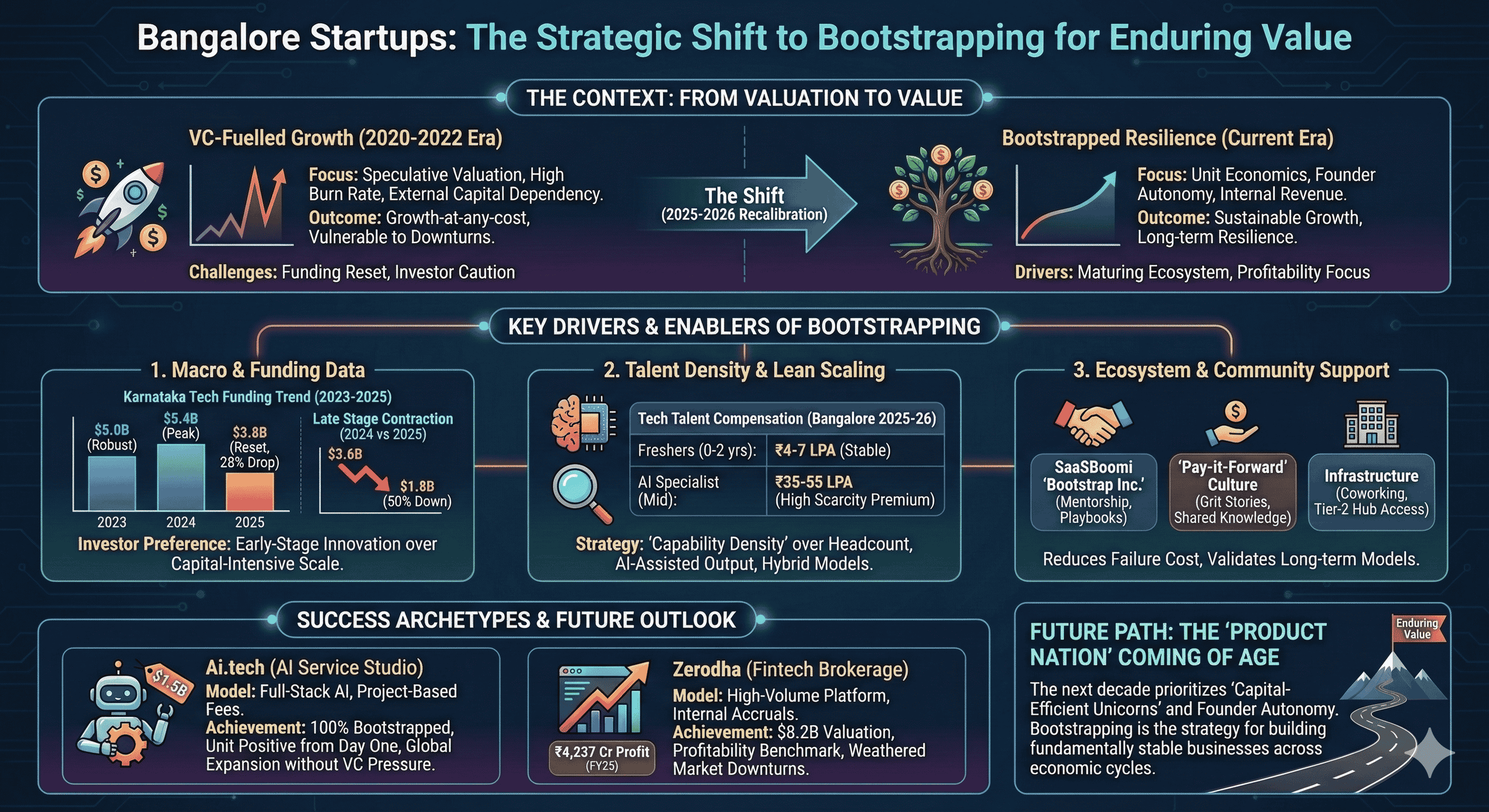
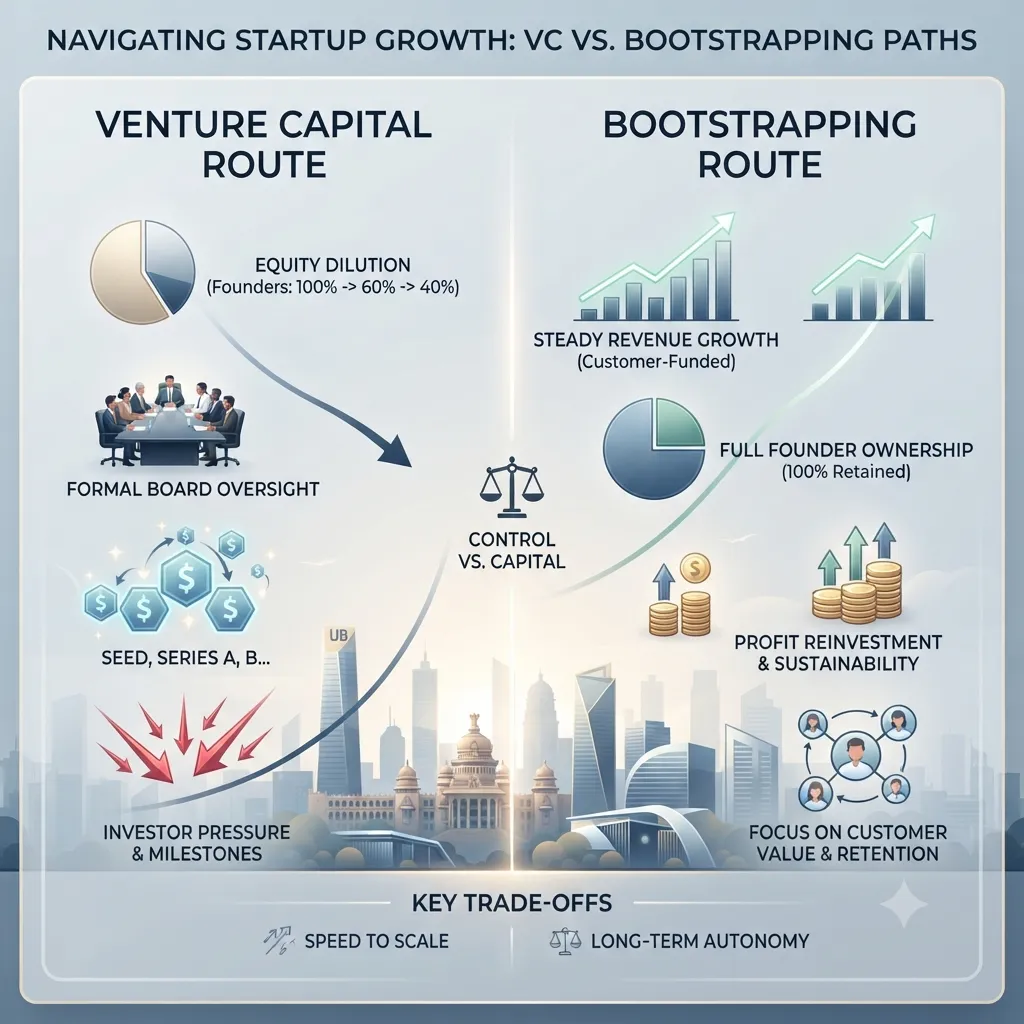
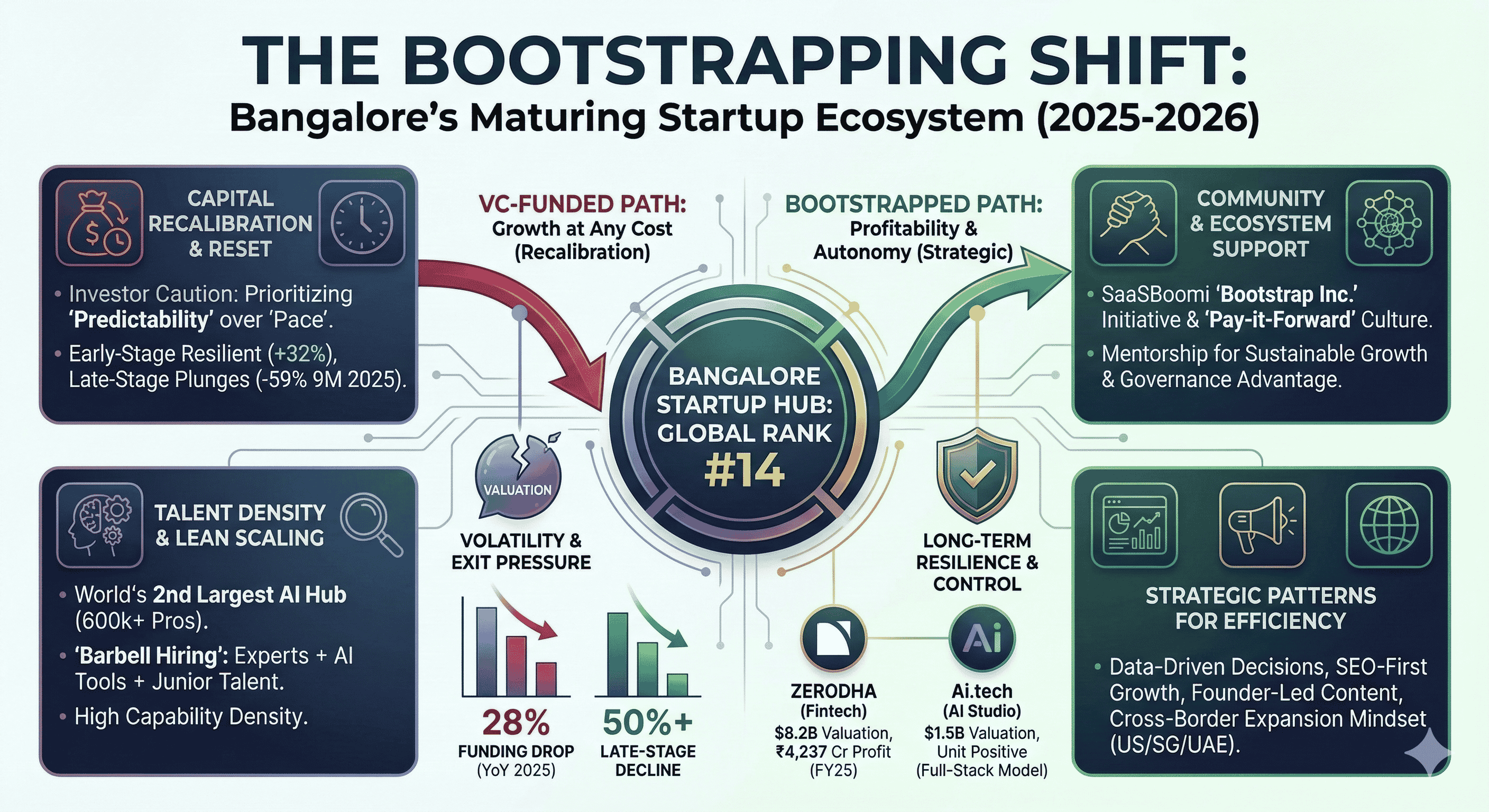
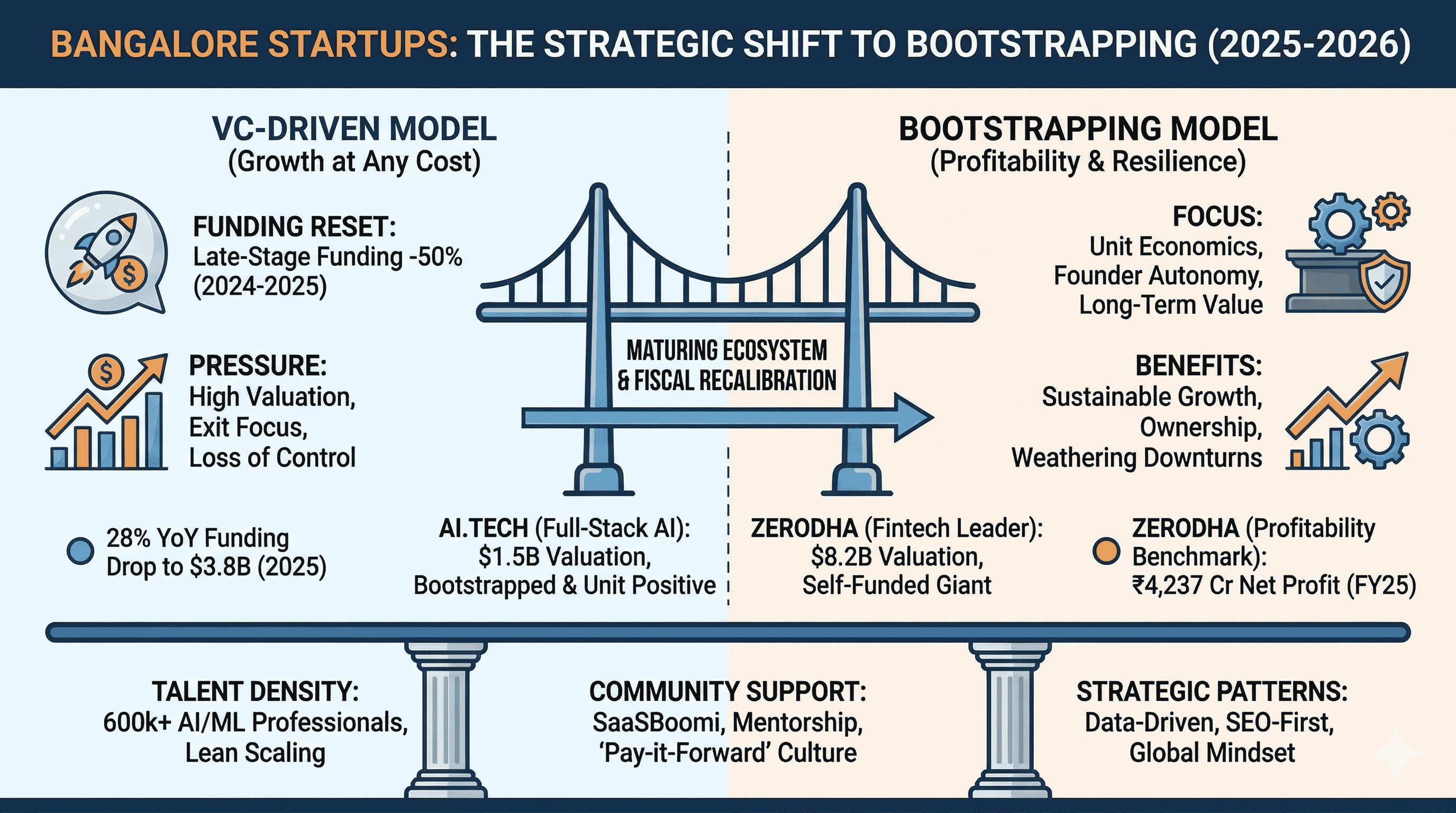
The global innovation landscape is currently witnessing a significant power shift, with Bangalore emerging as a central protagonist in the transition from a rising star to a top-tier global startup hub. Ranked 14th in the Global Startup Ecosystem Report 2025, Bangalore has ascended seven spots, placing it in direct competition with established leaders such as Paris, Philadelphia, and Seattle. Within this context of rapid maturation, a profound structural evolution is occurring: a growing segment of the city’s 16,000+ startups is deliberately choosing to bootstrap. This shift toward self-sustainability is not merely a consequence of cyclical capital constraints but a strategic reorientation driven by a maturing ecosystem that increasingly prioritizes unit economics, founder autonomy, and long-term resilience over speculative valuation expansion. As the Karnataka tech ecosystem navigates a period of fiscal recalibration—evidenced by a 28% year-on-year funding drop in 2025 to $3.8 billion—the economic logic of bootstrapping has transitioned from a necessity for the unfunded to a sophisticated strategy for the elite.
Macroeconomic Context and the Recalibration of Venture Capital
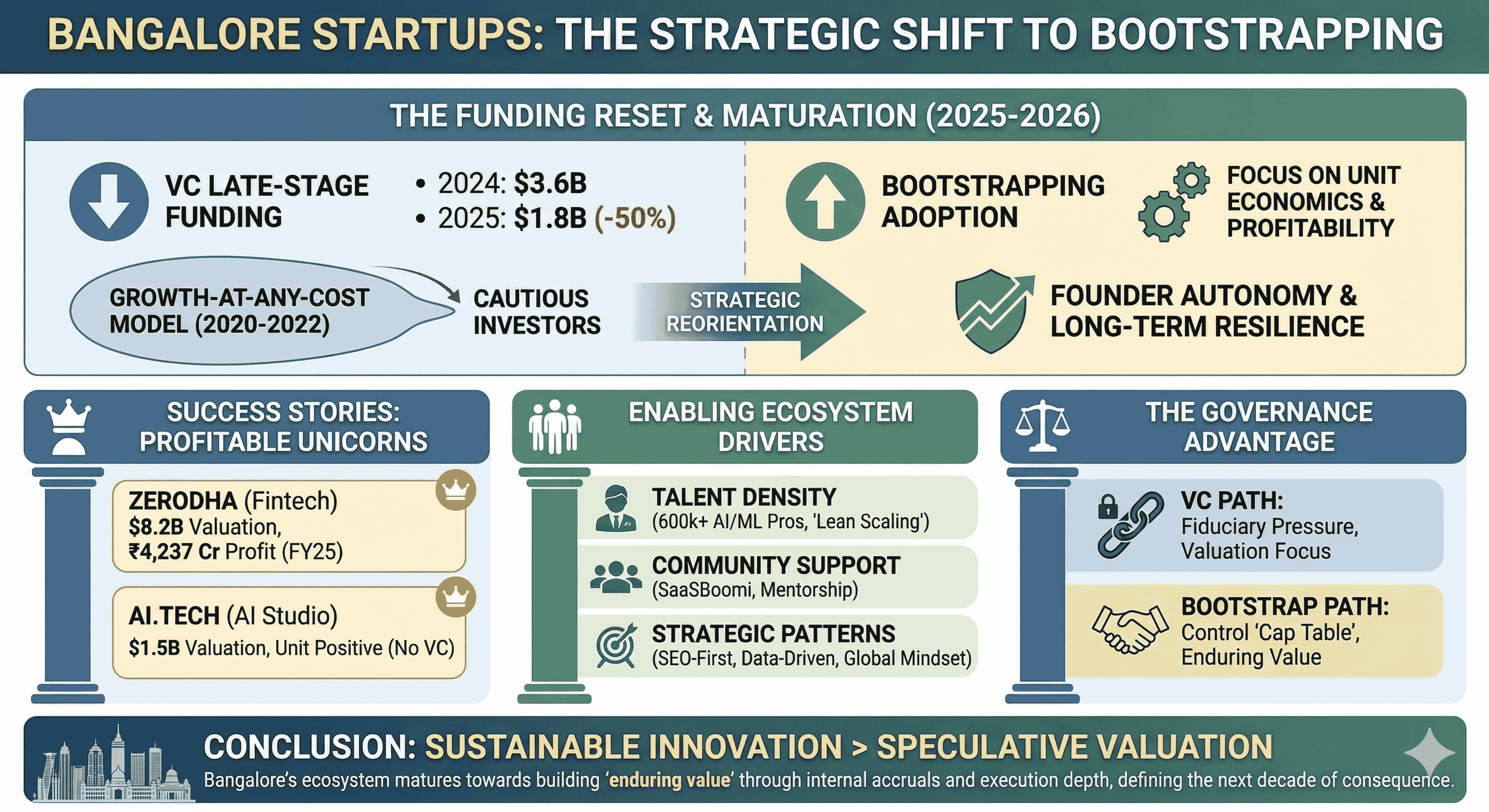
The year 2025 served as a definitive turning point for Bangalore’s financial architecture. While Karnataka remained the leader in total capital raised among Indian states, the underlying deployment patterns shifted dramatically. Late-stage funding experienced a pronounced contraction, falling by 50% from $3.6 billion in 2024 to $1.8 billion in 2025. This reduction was even more acute in the first nine months of 2025, where late-stage capital plummeted by 59%. This "funding reset" has forced a fundamental re-evaluation of the growth-at-any-cost model that dominated the 2020-2022 cycle.
The contraction in late-stage deal volume, which saw a 27% decline during 2025, reflects a broader move toward investor caution and a preference for early-stage innovation over mature, capital-intensive assets. Interestingly, while late-stage and seed-stage funding dipped—the latter by 17%—early-stage funding proved remarkably resilient, rising 32% to $1.6 billion. This divergence suggests that while capital remains available for the "next wave" of innovation, the threshold for scaling beyond Series B has risen significantly, incentivizing founders to build self-sustaining models earlier in their lifecycle.
Comparative Tech Funding Trends in Karnataka (2023-2025)
Metric | 2023 | 2024 | 2025 | 2026 (Projected/Q1) |
Total Funding | $5.0 Billion | $5.4 Billion | $3.8 Billion | Selective / Selective |
Seed Stage | $472 Million | $520 Million | $434 Million | Cautious / Soft |
Early Stage | $1.1 Billion | $1.2 Billion | $1.6 Billion | Robust / Resilient |
Late Stage | $3.4 Billion | $3.6 Billion | $1.8 Billion | Profit-focused |
Tech IPOs | 3 | 8 | 9 | High Momentum |
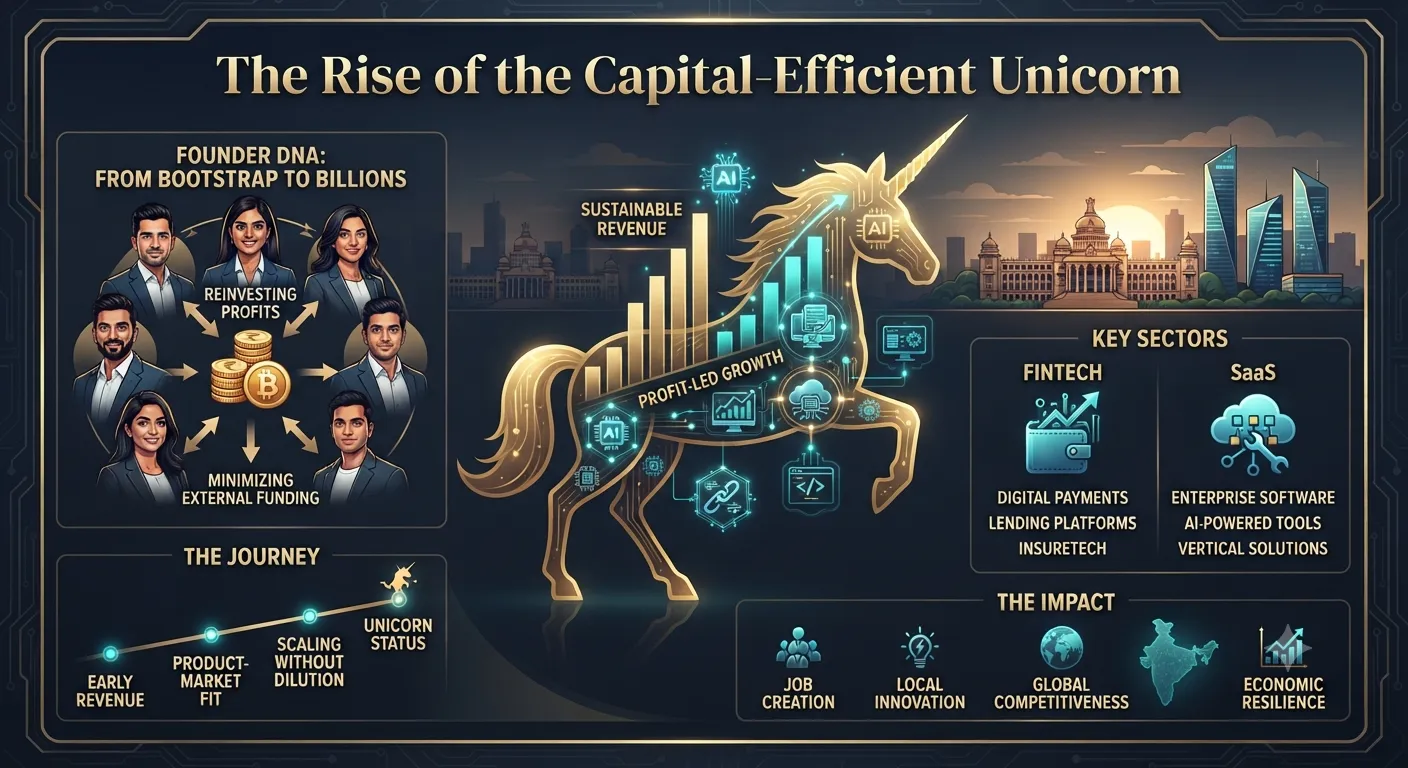
This data indicates that the decline in funding is largely a result of a sharp slowdown in large-ticket rounds rather than a lack of entrepreneurial activity. Investors are increasingly prioritizing "predictability of outcomes" over the pace of growth. For Bangalore founders, this has made internal revenue the most reliable source of capital, leading to the rise of the "capital-efficient unicorn".
The Rise of the Bootstrapped Unicorn: Case Studies in Efficiency
The most prominent evidence of the bootstrapping movement's viability is the emergence of high-value entities that have reached unicorn status without external institutional backing. This trend is exemplified by two distinct archetypes in the Bangalore ecosystem: the specialized AI studio and the high-volume fintech platform.
Ai.tech: The Full-Stack AI Paradigm
Ai.tech, founded in 2022, has become the premier example of "momentum with muscle," reaching a $1.5 billion valuation in under three years while remaining 100% bootstrapped. The company’s success is rooted in its rejection of "AI hype" in favor of solving tangible enterprise problems. Operating as a full-stack AI studio, Ai.tech delivers custom solutions for Fortune 500 clients across BFSI, retail, and manufacturing sectors. By focusing on high-margin, project-based fees and retainers from day one, the firm achieved positive unit economics immediately, negating the need for venture capital.
The Ai.tech model offers several lessons for the 2026 cohort of founders. It demonstrates that "revenue beats funding" and "profitability beats hype". By maintaining 100% ownership, the founders have retained absolute control over their technical strategy and expansion into Southeast Asia and the Middle East, free from the exit-pressure typically imposed by a Series A or B board.
Zerodha: The Profitability Benchmark
Zerodha, Bangalore’s flagship bootstrapped success, continues to define the financial limits of self-funded growth. As of 2025, Zerodha is India’s most valuable unicorn at $8.2 billion, maintaining a net worth of over ₹13,000 crore. Despite a historic downturn in trading volumes in 2025—triggered by regulatory changes such as increased Securities Transaction Tax (STT) on options and the removal of exchange rebates—Zerodha reported a net profit of ₹4,237 crore in FY25.
The ability of Zerodha to weather a 40% drop in brokerage revenue in Q1 FY26 without the existential threat of a "down-round" highlights the resilience inherent in the bootstrapping model. While competitors like Groww and Angel One faced similar client erosion—Groww lost 600,000 active clients between January and August 2025—Zerodha’s substantial internal accruals allowed it to continue expanding its non-broking operations, including a Margin Trading Facility (MTF) with a ₹5,000 crore book.
Top Profitable and Bootstrapped Companies (FY25 Metrics)
Company | Model | Revenue (FY25) | Profit (FY25) | Valuation |
Zerodha | Fintech Brokerage | ₹8,500+ Cr | ₹4,237 Cr | $8.2 Billion |
Zoho Corp* | Global SaaS | ₹12,400 Cr | ₹2,130.7 Cr | ₹1.04 Lakh Cr |
Navi Tech | Diversified Fintech | ₹2,290 Cr (FY24) | ₹358.5 Cr (FY24) | $1.0 Billion |
AI Service Studio | Not Disclosed | Unit Positive | $1.5 Billion |
Talent Density and the Economics of Lean Scaling
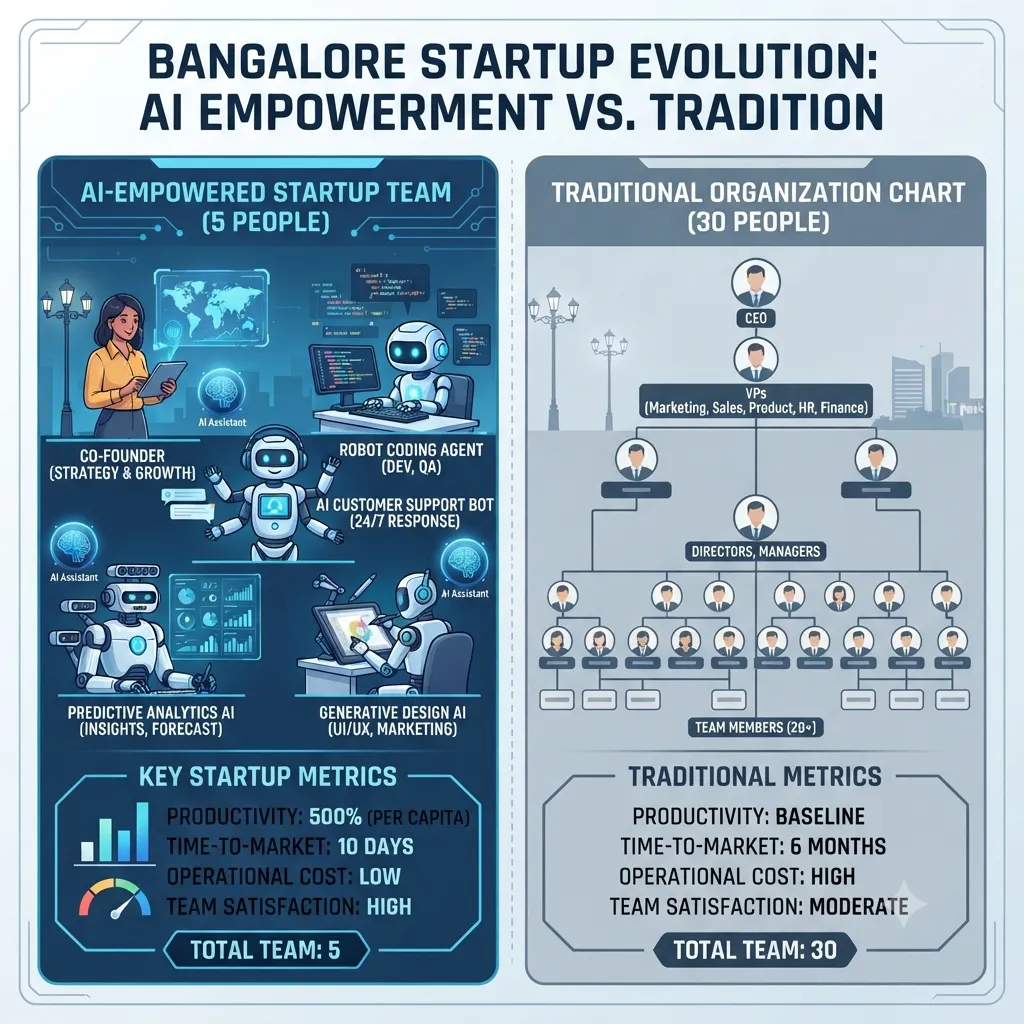
A critical driver for the bootstrapping trend in Bangalore is the city's unique talent landscape. Bangalore is currently the world’s second-largest AI talent hub, boasting over 600,000 AI/ML professionals. This concentration of expertise allows bootstrapped founders to prioritize "capability density" over headcount expansion.
The Rebalancing of the Labor Market
In 2025 and early 2026, the Bangalore hiring market underwent a significant recalibration. While the frantic "war for talent" seen in 2021-2022 has abated, demand for specialized skills in AI, Cloud, and Cybersecurity remains high. Bootstrapped firms are increasingly adopting a "barbell" hiring pattern: selectively recruiting expensive, high-level specialists for critical architecture roles while leveraging AI-assisted coding tools to onboard and increase the output of junior engineers.
Bangalore has solidified its position as the country's primary magnet for junior talent, with average entry-level salaries at ₹7.16 lakhs. This provides a sustainable pipeline for bootstrapped firms that cannot compete with the high management benchmarks of Mumbai (₹40.04 lakhs) but can offer "deep technology" exposure that attracts the city’s tech-savvy youth.

Tech Talent Compensation Benchmarks (Bangalore 2025-2026)
Experience Level | Typical Salary (LPA) | Scarcity Premium (AI/Cloud) | Key Demand Skills |
Freshers (0-2 yrs) | ₹4 - ₹7 | Stable | Python, Java, DSA |
Mid-Level (3-6 yrs) | ₹8 - ₹16 | 1.4x - 1.6x | Cloud Arch, DevOps |
Senior (7+ yrs) | ₹18 - ₹40 | 1.8x | AI/ML Ops, Cybersecurity |
AI Specialist (Mid) | ₹35 - ₹55 | High | GenAI, LLMs, NLP |
The availability of this talent, coupled with the city’s high density of Global Capability Centres (GCCs)—which leased 12 million square feet of office space in 2025—creates a robust ecosystem where specialized skill sets are readily accessible for short-term projects or strategic hires, a major advantage for companies operating without the luxury of VC-funded "bench strength".
Community Infrastructure and the "Pay-it-Forward" Culture
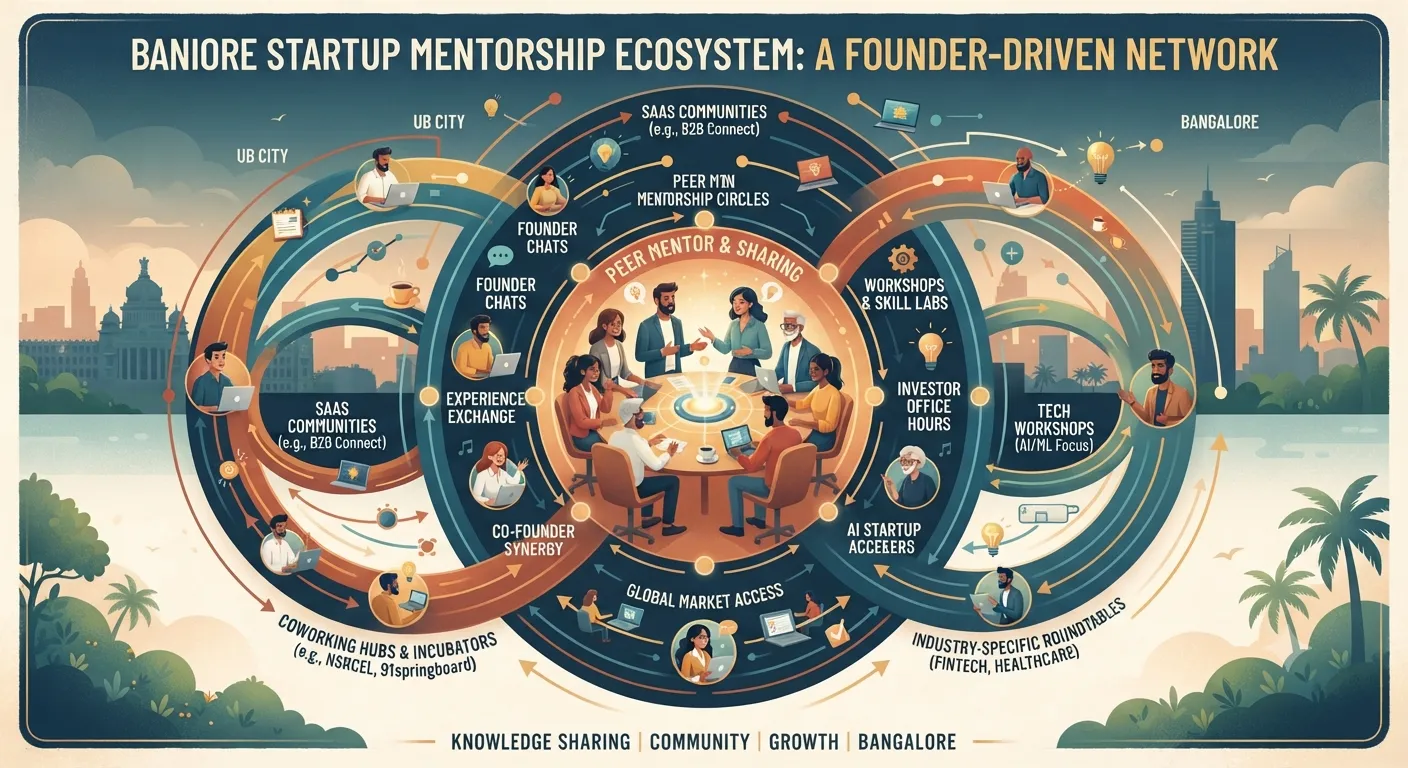
The psychological and strategic barriers to bootstrapping are being dismantled by a strong community-driven support system. Bangalore is the heart of a "product nation" movement that emphasizes long-term value creation over short-term exits.
SaaSBoomi and the Bootstrap Inc. Initiative
SaaSBoomi has emerged as a critical institutional pillar for bootstrapped founders. Through its "Bootstrap Inc." initiative, the community provides mentorship specifically tailored to the unique mindset of founders building businesses through internal accruals. This is essential because the requirements of bootstrapped founders often differ from their VC-funded peers; they face different risks regarding pricing strategies and technical resource allocation.
The initiative facilitates retreats and "Grit Stories," where founders like Varun Shoor and Saravana Kumar share actionable playbooks on how they built global companies from Bangalore without institutional capital. This "pay-it-forward" ethos, pioneered by the iSPIRT Foundation and sustained by 200+ SaaSBoomi volunteers, has created a self-sustaining cycle of mentorship that reduces the cost of failure by helping founders avoid common operational mistakes.
Strategic Patterns Identified in Successful Bangalore Bootstrappers
The maturation of the Bangalore ecosystem has revealed a set of consistent patterns used by bootstrapped firms to scale effectively:
Data-Driven Decision-Making: Using analytics to ruthlessly optimize customer acquisition costs.
SEO-First Growth: Particularly for SaaS and B2B firms, organic search dominance serves as a low-cost, high-retention customer acquisition engine.
Founder-Led Content and Community: Building authority through thought leadership to reduce reliance on expensive performance marketing.
Cross-Border Expansion Mindset: Many Bangalore startups, like Postman and Plivo, maintain significant operations in the city while targeting global markets from day one, often moving headquarters to the US, Singapore, or UAE for global scale.
The Governance and Ownership Advantage
A fundamental reason for the shift toward bootstrapping is the desire for strategic autonomy. As the VC industry in India faces a significant reset—with nearly two dozen high-profile investor departures in 2025—founders are increasingly wary of the "shareholder vs. operator" conflict.
Venture capital, while providing speed and leverage, often introduces a fiduciary duty to optimize for the next valuation marker rather than the next decade of business health. Bootstrapping allows founders to think long-term, especially during downturns. As Rajesh Jain of Netcore Cloud noted at the Founders Forum 2026, profitability itself becomes a strategy that allows for patience. For businesses that do not require massive upfront infrastructure investment—unlike logistics or semiconductors—the control over one’s "cap table" is increasingly viewed as a primary asset.
Challenges and Risks: The Resilience of the Self-Funded Model
Despite its advantages, bootstrapping in Bangalore is not without its risks. The city’s startup failure rate remains approximately 90%. Interestingly, 47% of startups fail due to a lack of financing or investors, and 44% fail due to running out of cash. By removing the dependency on external financing cycles, bootstrapped firms eliminate one of the primary causes of failure, though they remain vulnerable to poor market timing (21%) and team problems (21%).
Sectoral Risks and Profitability Thresholds
Sector | Failure Rate (India Avg.) | Primary Reason for Failure | Bootstrapping Potential |
Web3 / Blockchain | 95% | Regulatory / Market Demand | High (Community-led) |
HealthTech | 80% | High R&D / Compliance | Medium (Niche focus) |
Fintech | 75% | Regulatory / Cash Burn | High (If Unit Positive) |
E-commerce | 80% | Logistics / CAC | Low (Capital Intensive) |
SaaS | <50%* | Market Need | Very High |
*Note: Tech startup survival in established domains like SaaS is generally higher when focused on B2B.
Regulatory stability remains a concern. The 2025-2026 period has seen a "crystallization of risks" in sectors like fintech. Regulatory changes impacting F&O volumes, for example, could reduce government STT collections by up to 50% in FY26. Bootstrapped firms, while more agile, must maintain higher cash reserves to navigate such shifts, as they cannot simply raise an "extension round" to cover operational gaps caused by policy changes.
Geopolitical Shifts and the Future of the Ecosystem
As we move through 2026, Bangalore’s startups are also reacting to global realignment. Protective trade policies and tariffs announced in February 2026 have introduced volatility into the IT sector, which earns a significant portion of its revenue from US clients. This has led to a "wait and watch" strategy for global expansion.
However, Bangalore’s resilience is bolstered by the 10th anniversary of the Startup India mission in 2026. The ecosystem is entering a "mature chapter" where substance outweighs speed. With the rise of semiconductors and hardware manufacturing—highlighted at the IESA Vision Summit 2026—the city is diversifying its technology base, which will provide new "wedges" for bootstrapped AI and software firms to attack.
Conclusions: The Decade of Consequence
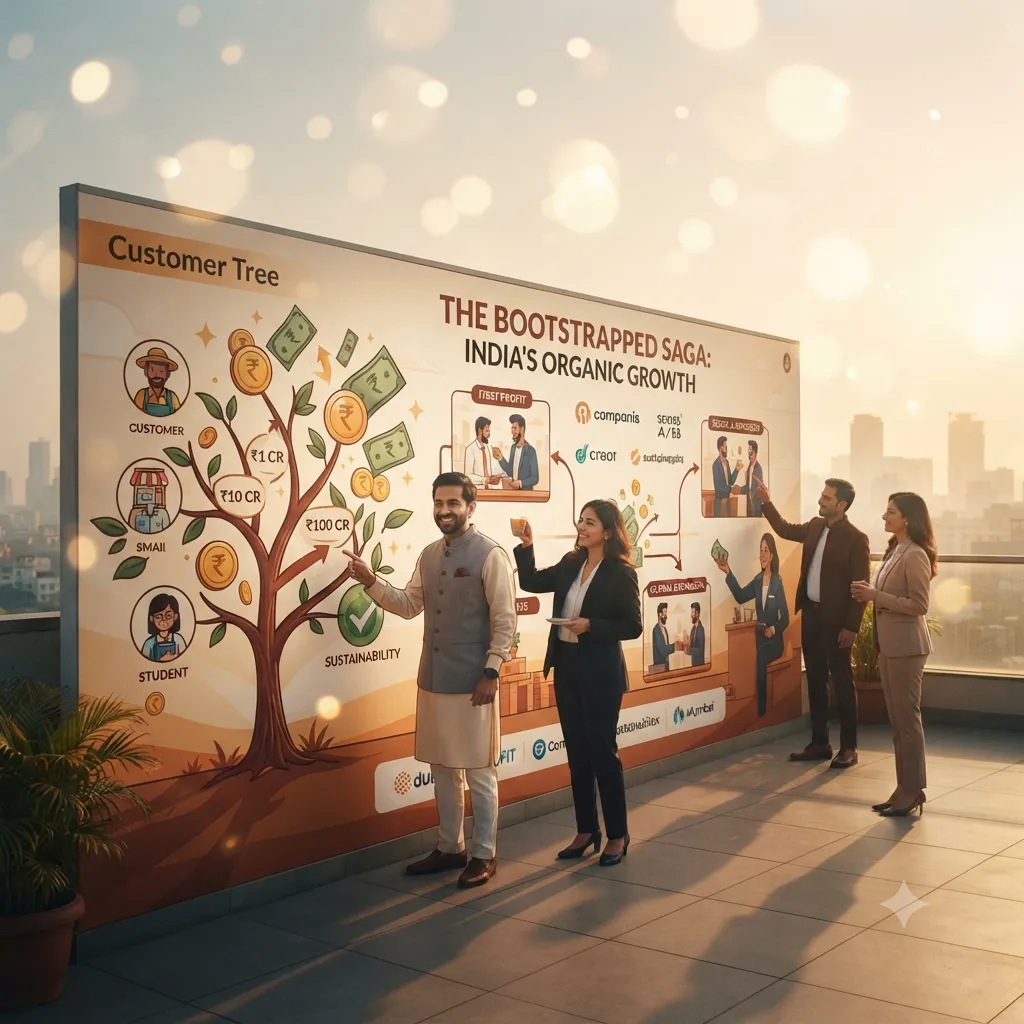
The trend of bootstrapping among Bangalore startups in 2025 and 2026 is indicative of a "Product Nation" coming of age. The discipline adopted over the past several years around unit economics and governance is no longer a differentiator; it is the minimum bar for survival. For the next wave of founders, the question is not whether to raise capital, but whether the business model truly requires it.
The success of entities like Ai.tech and Zerodha has proven that massive scale and global influence can be achieved through internal accruals and lean execution. As Bangalore continues to climb the global rankings—driven by its extraordinary AI talent base and robust public-private investment in deep tech—the bootstrapping model will likely become the preferred route for founders who seek to build "enduring value" rather than "near-term valuation markers". The ecosystem’s future will be defined by "capability density" and the ability to execute at depth, ensuring that Bangalore remains not just a startup hub, but a global epicenter for sustainable innovation.
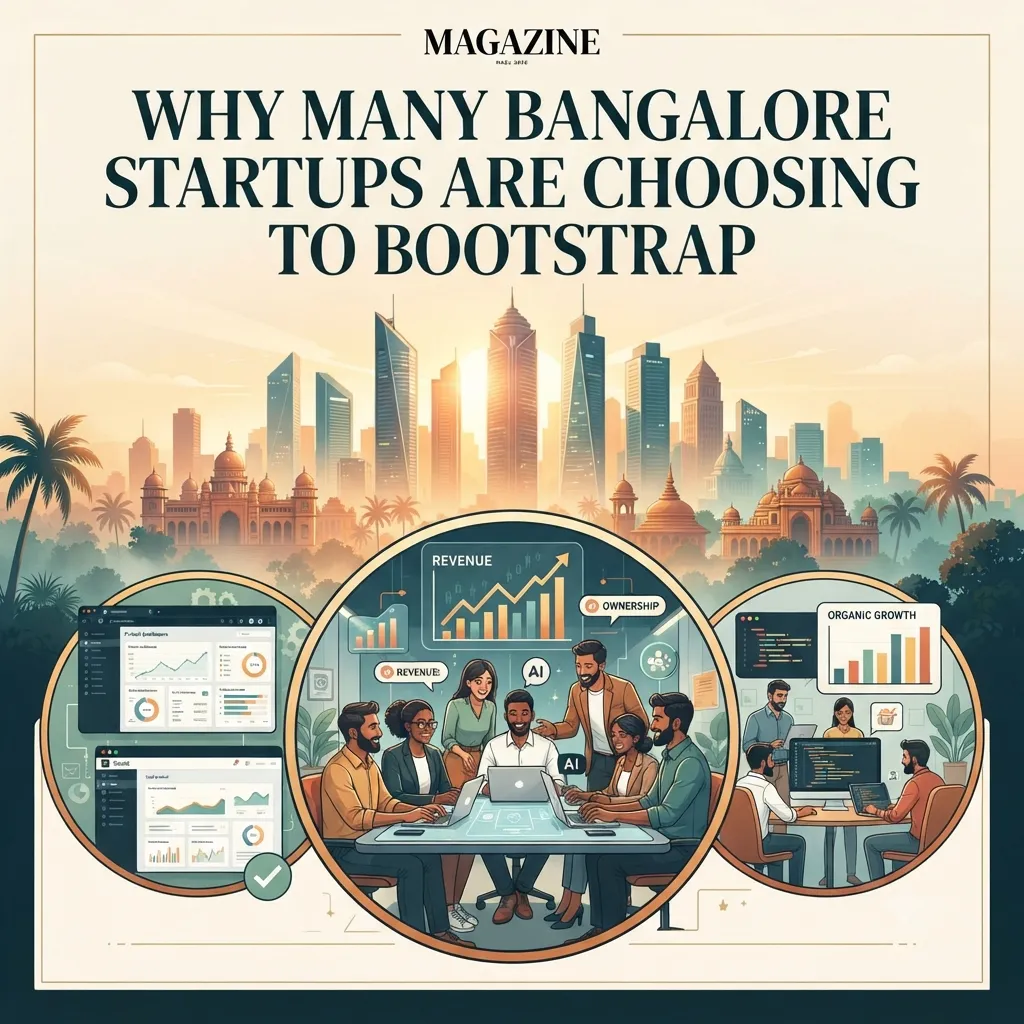
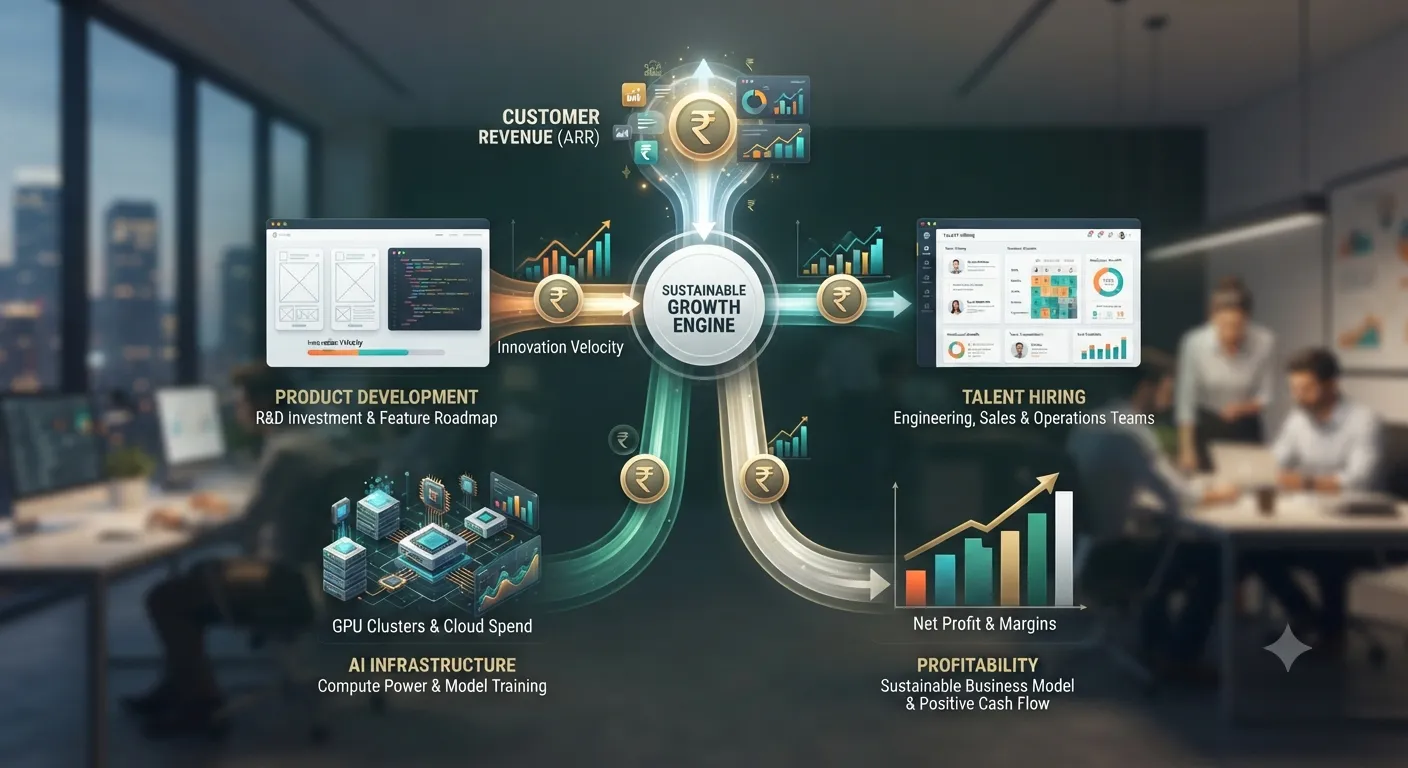
The transition toward self-reliance reflects a broader realization: in an increasingly volatile global economy, the most defensible moat is a profitable business model. For Bangalore's entrepreneurs, bootstrapping is the ultimate expression of that realization, providing the autonomy to build businesses that are not only successful but also fundamentally stable across economic cycles.
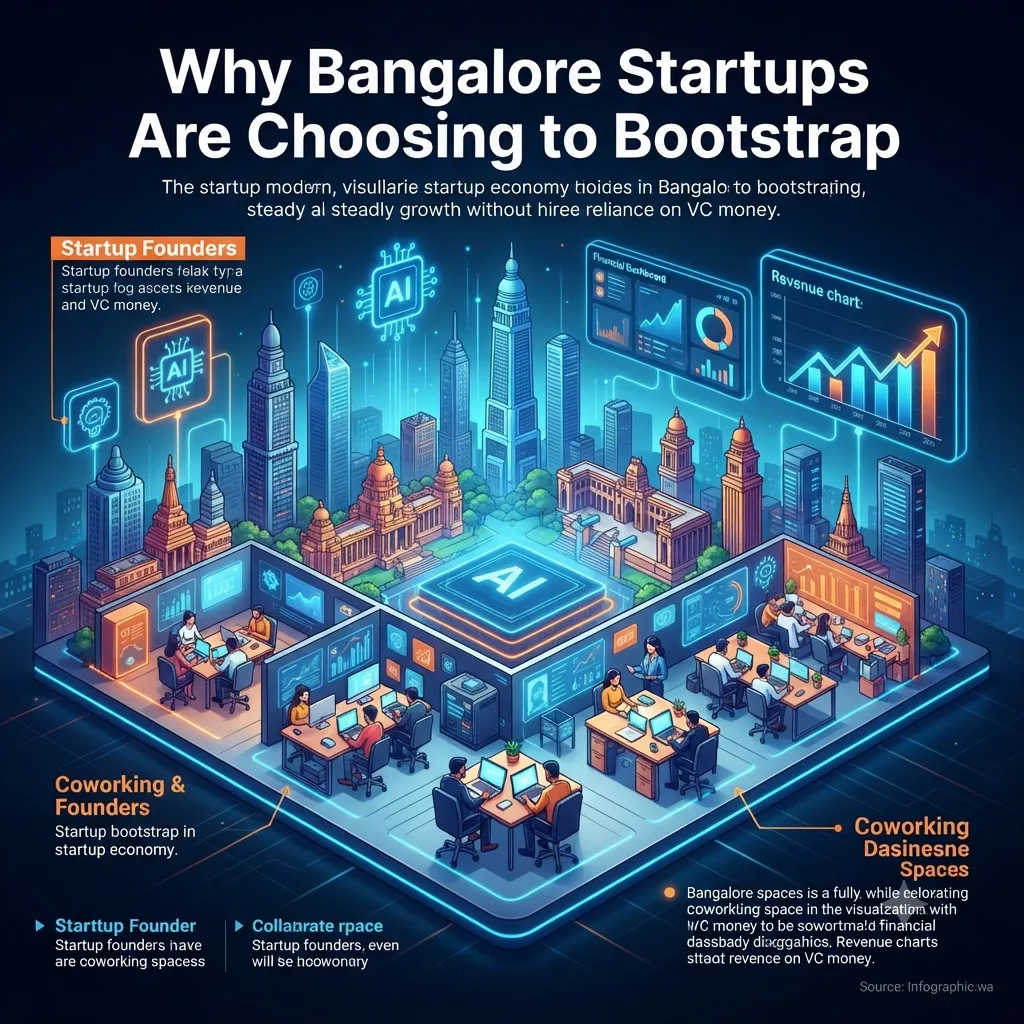
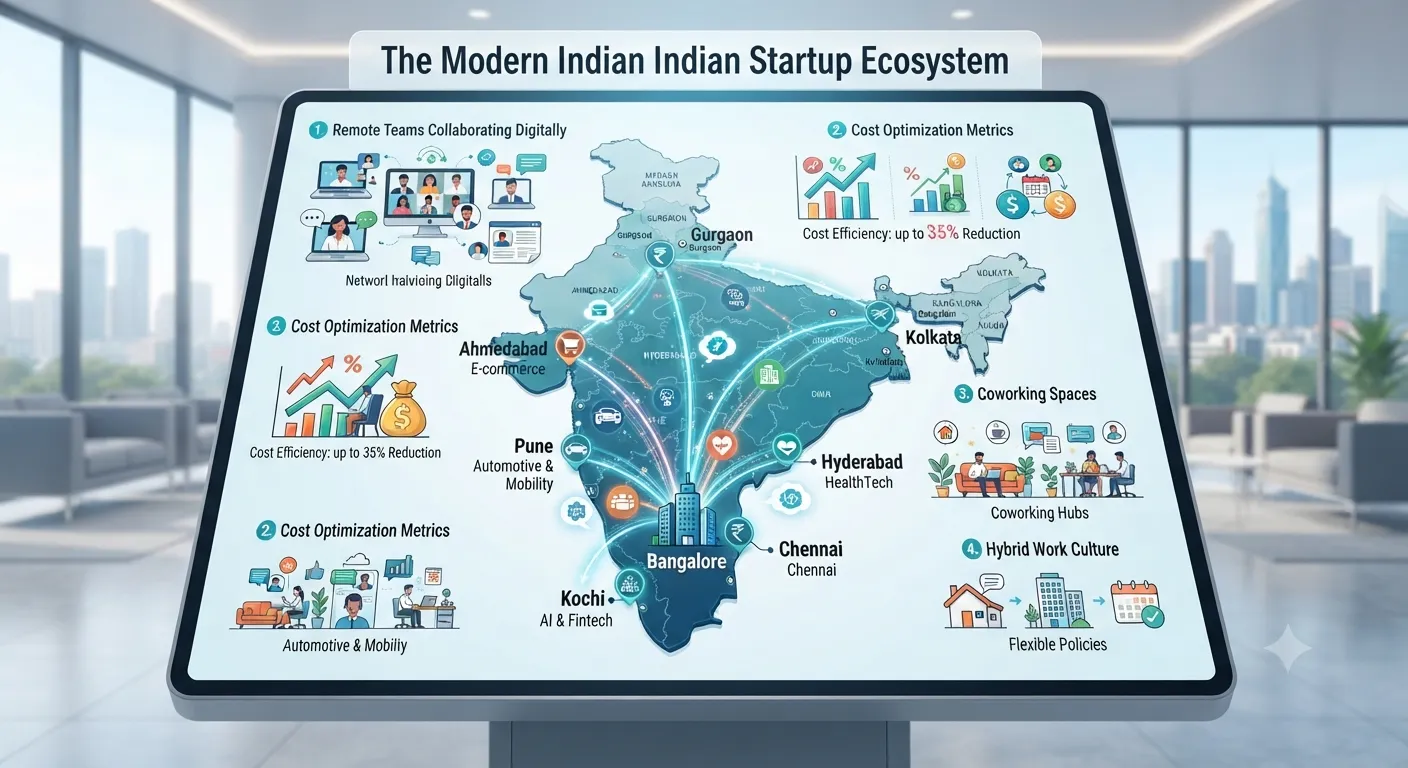
Analytical Note on Infrastructure Gaps: While the city leads in talent and capital, persistent challenges such as traffic congestion, slow Metro expansion, and water crises continue to affect operational efficiency. Bootstrapped firms are increasingly mitigating these risks by leveraging coworking spaces and a hybrid "distributed hiring" strategy that taps into Tier-2 hubs like Kochi and Thane, which are becoming credible innovation hubs in their own right. This geographical arbitrage allows startups to optimize their cost structures while maintaining access to the critical "emotional connection" and "unwavering optimism" that defines the Bangalore startup culture .
Protect Your Future: The Precision Vesting Calculator
Don't let a "handshake deal" complicate your exit. Map out your ownership journey with our Vesting Calculator
Calculate Your Vesting Schedule →