Data Localization Laws Are Changing SaaS
July 2, 2026 by Harshit Gupta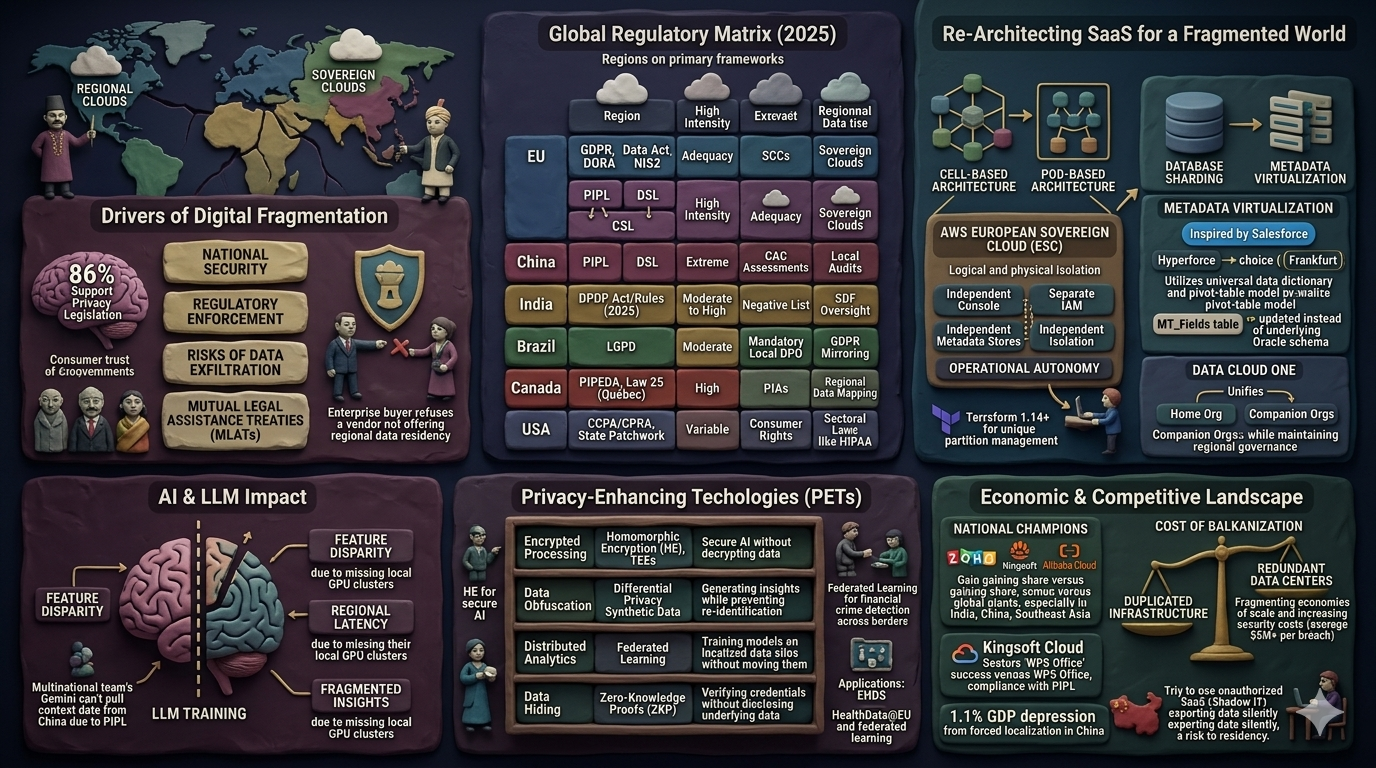
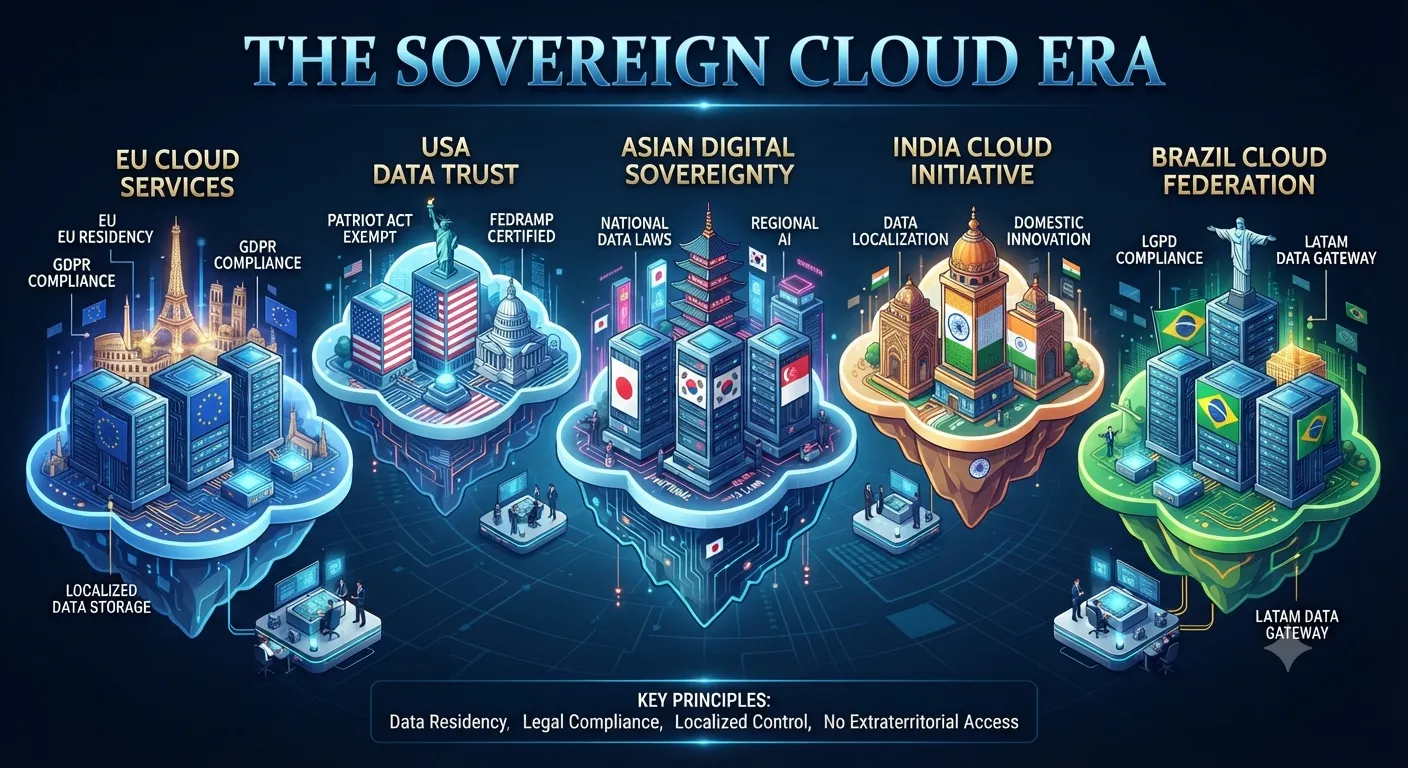
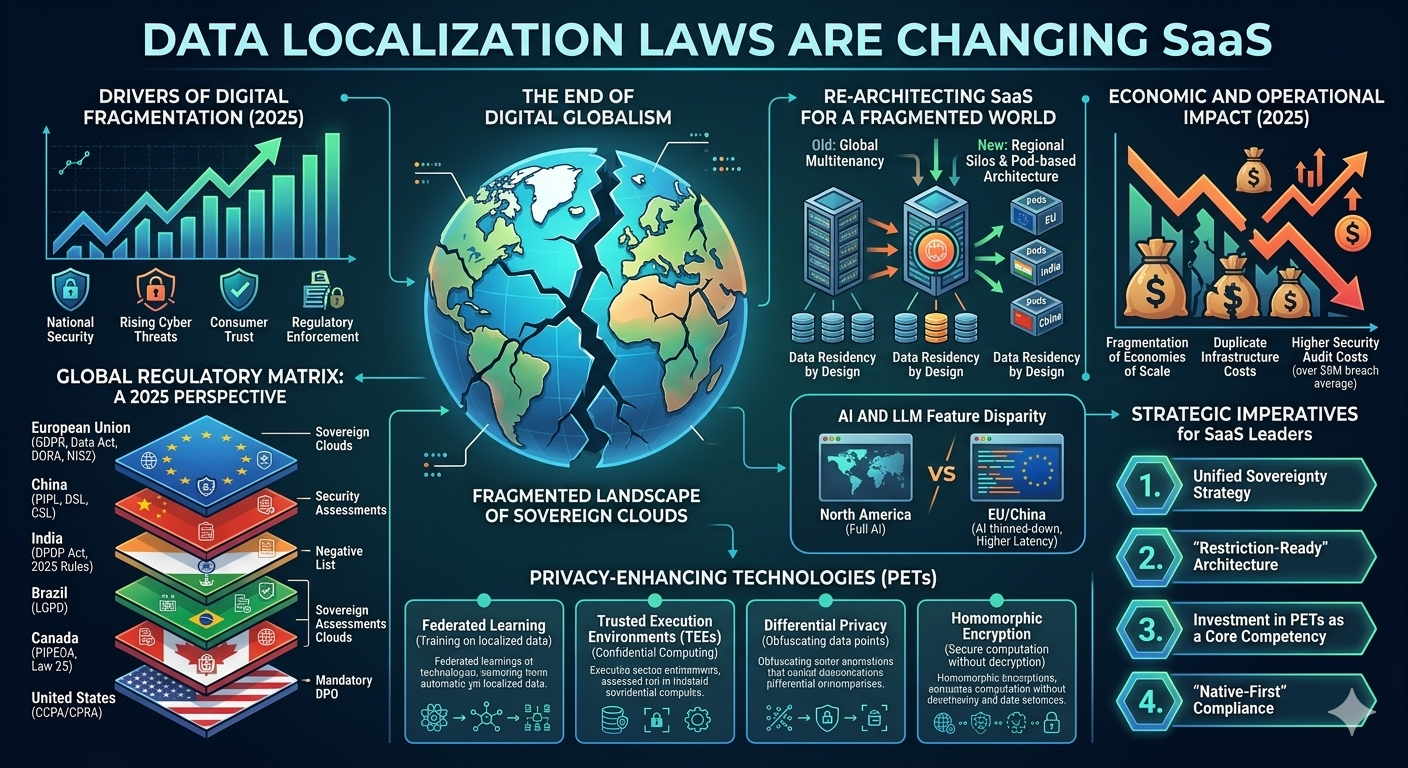
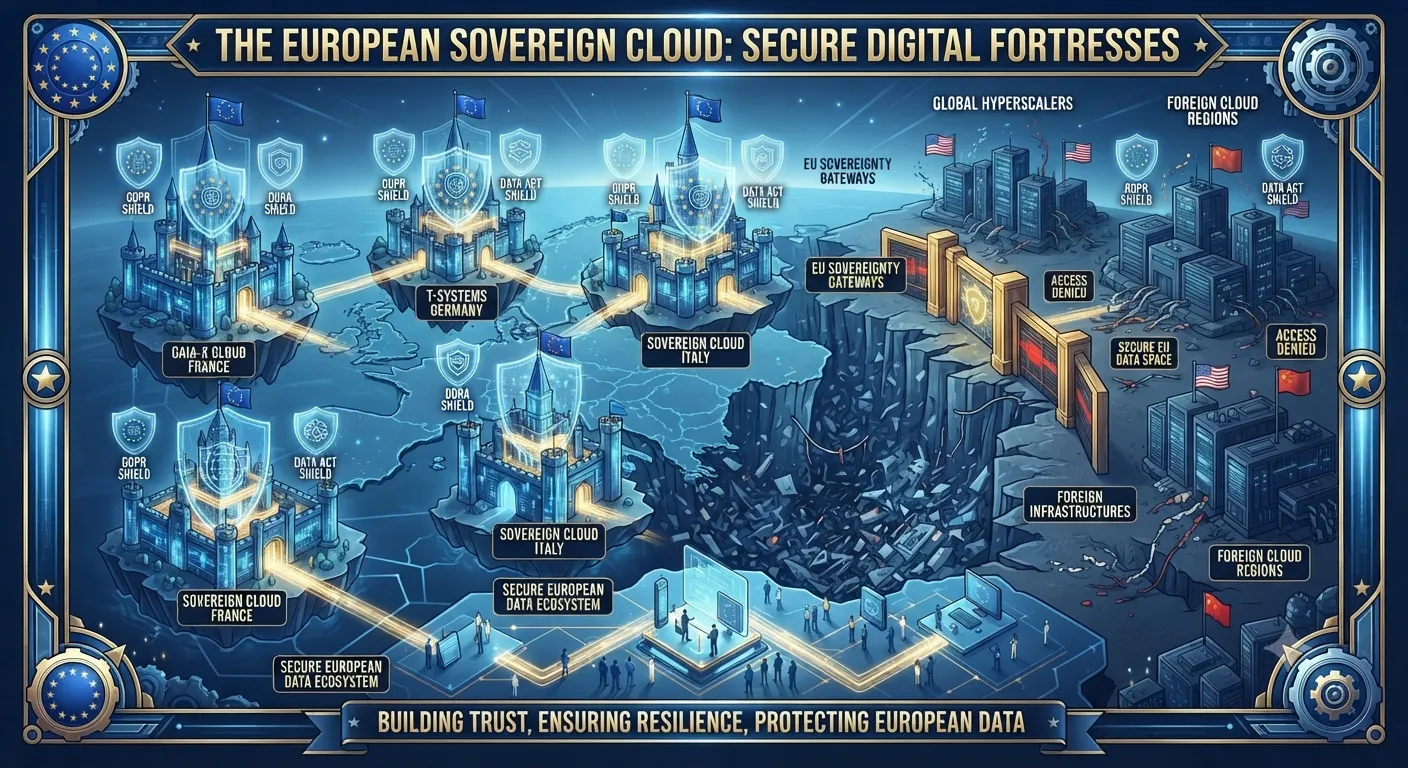
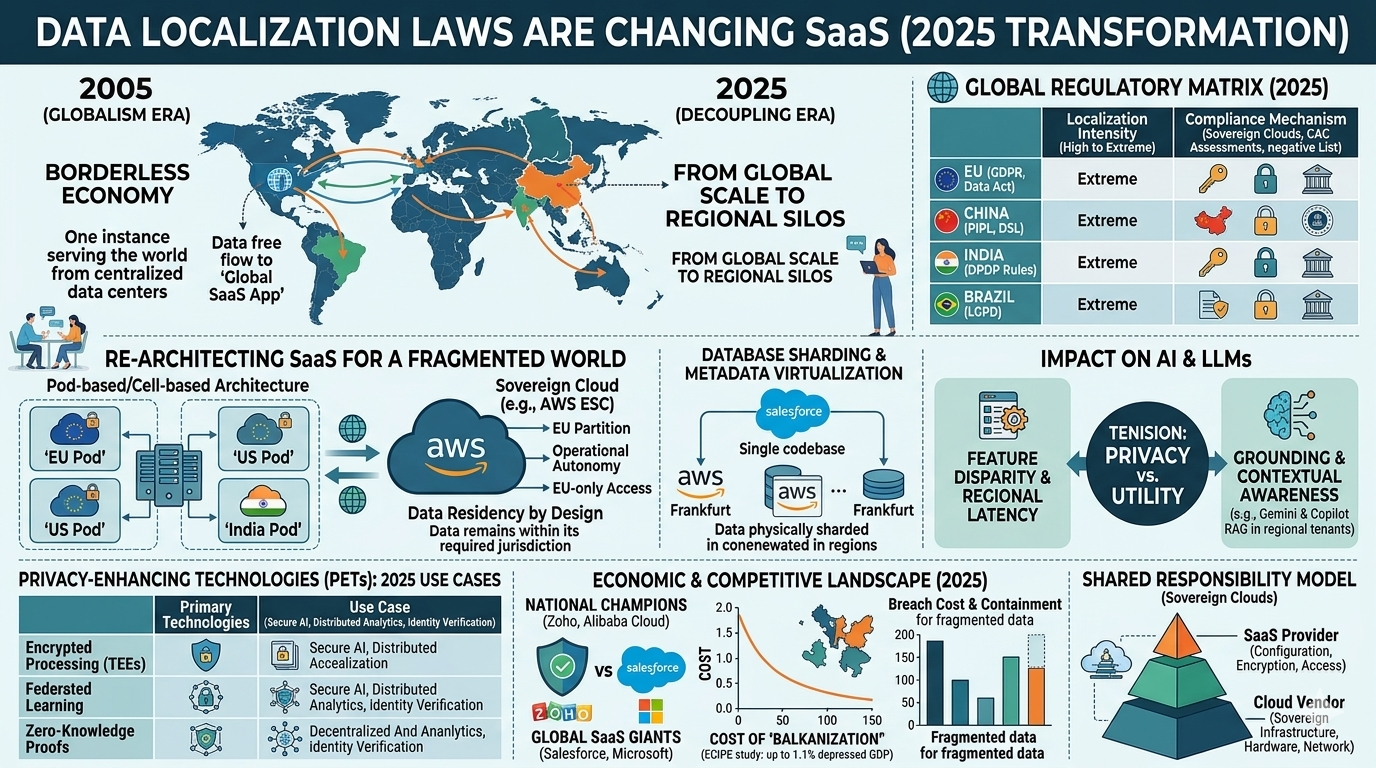
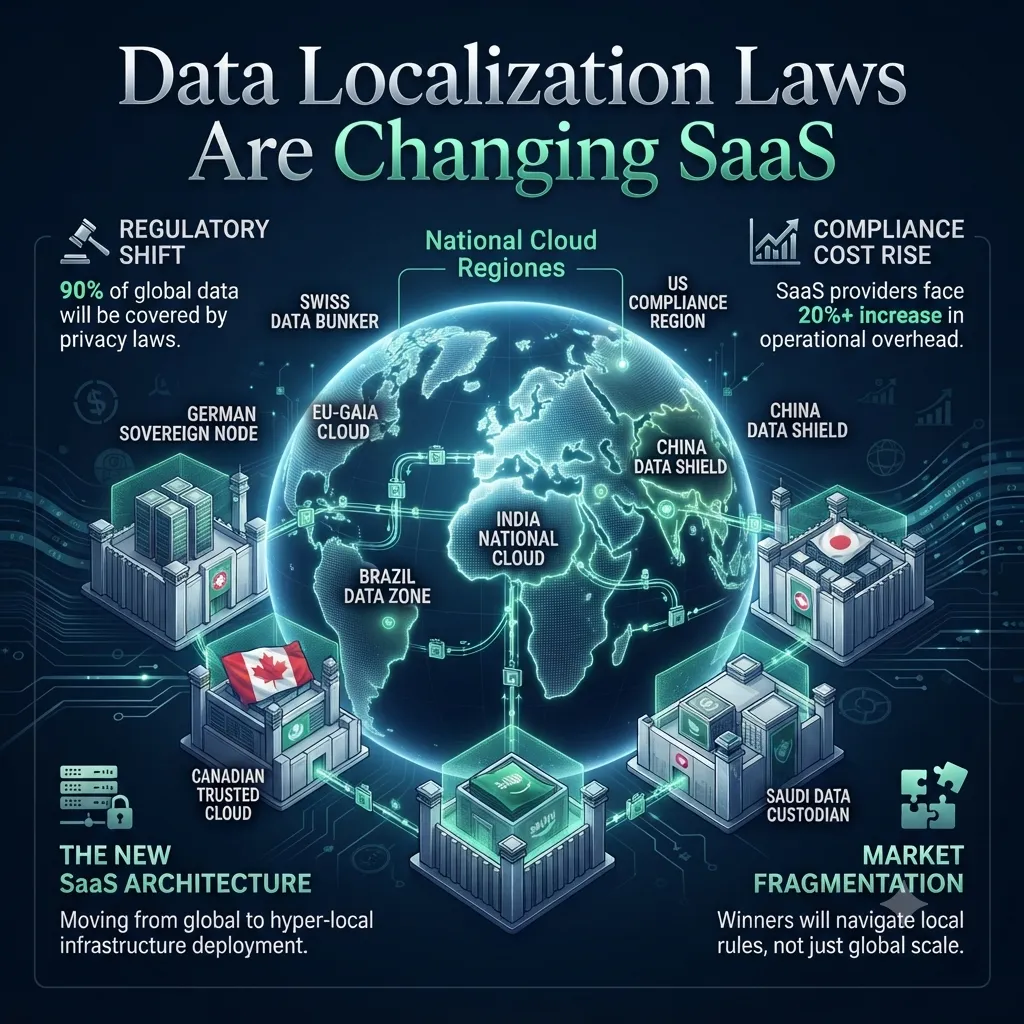
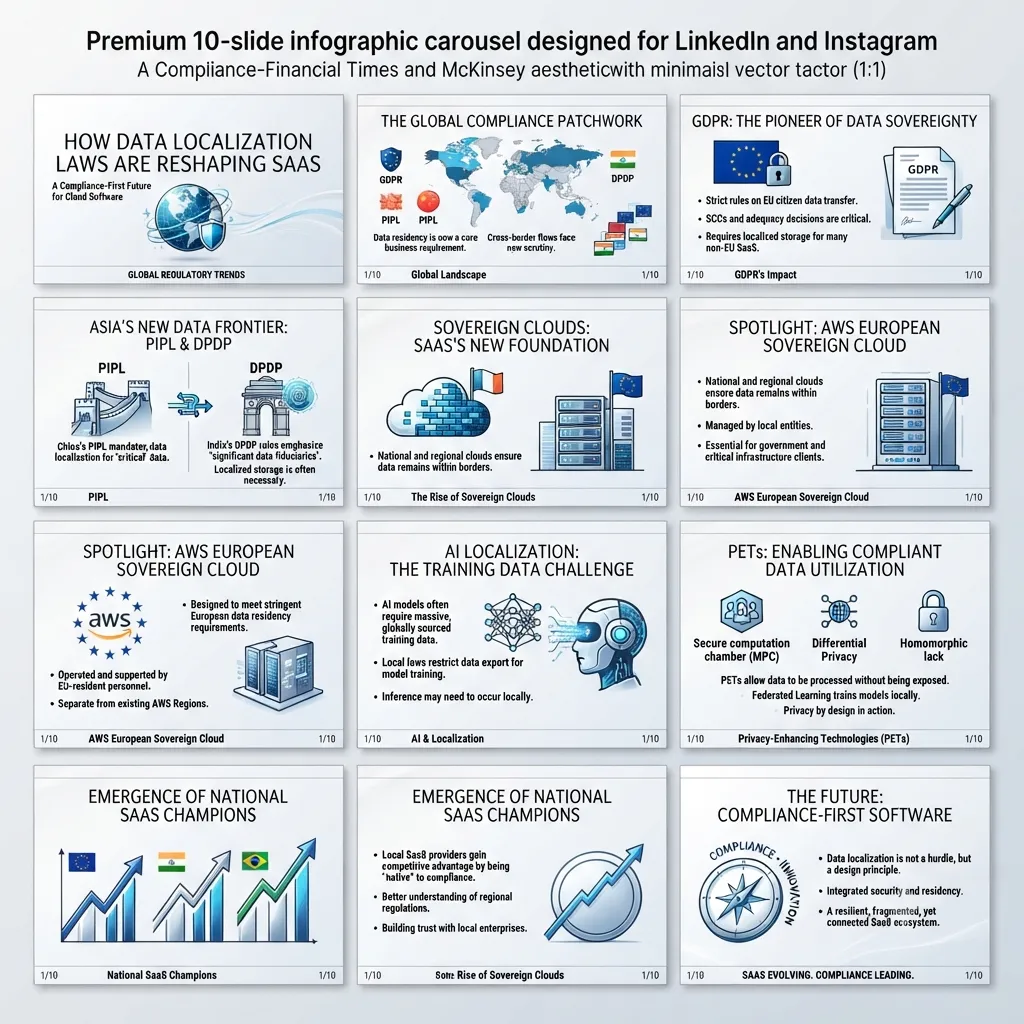
The foundational architecture of the global software industry is currently undergoing a structural transformation that rivals the initial shift from on-premises installations to the cloud. For nearly two decades, the Software as a Service (SaaS) model thrived on the premise of a borderless digital economy, where a single instance of an application could serve a global user base from a handful of centralized hyperscale data centers. However, the emergence of stringent data localization laws in 2025 has effectively ended this era of digital globalism, replacing it with a fragmented landscape of "sovereign clouds" and regional data silos.
This transformation is driven by a global surge in digital sovereignty, a concept where nations assert legal and operational control over the data generated within their borders as a matter of national security, economic protectionism, and fundamental privacy rights. Governments increasingly view the data of their citizens as a strategic asset that must be shielded from foreign surveillance, accessible to domestic law enforcement, and utilized to bolster local IT infrastructure. Consequently, data localization—the requirement to store and process data within national boundaries—is no longer a rare exception but a primary strategic imperative for any SaaS provider aspiring to maintain a global footprint.
The Drivers of Digital Fragmentation in 2025
The momentum behind data localization in 2025 is fueled by a convergence of geopolitical tensions, rising cyber threats, and shifting consumer expectations. Governments have moved beyond simple privacy protections toward a comprehensive framework of digital control. The rationale for this shift is multifaceted, encompassing national security, regulatory enforcement, and the protection of digital assets from unauthorized foreign access.
National security concerns have taken center stage as data becomes increasingly integral to critical infrastructure, ranging from financial systems to healthcare networks. By mandating local storage, governments aim to mitigate the risk of data exfiltration by foreign actors and ensure that essential services remain operational even during diplomatic or physical disruptions. Simultaneously, the rise of sophisticated cyber threats has led regulators to conclude that localizing data allows for better monitoring and mitigation of potential breaches within domestic jurisdictions.
From a regulatory perspective, localization simplifies the efforts of law enforcement and domestic oversight bodies. When data is stored within national borders, it falls under the direct legal authority of that nation, eliminating the slow and often ineffective process of utilizing Mutual Legal Assistance Treaties (MLATs) to access information stored abroad. Furthermore, consumer trust has become a significant market differentiator; research indicates that 86% of respondents support strong privacy legislation, and many enterprise buyers now refuse to engage with SaaS vendors who cannot guarantee regional data residency.
The Global Regulatory Matrix: A 2025 Perspective
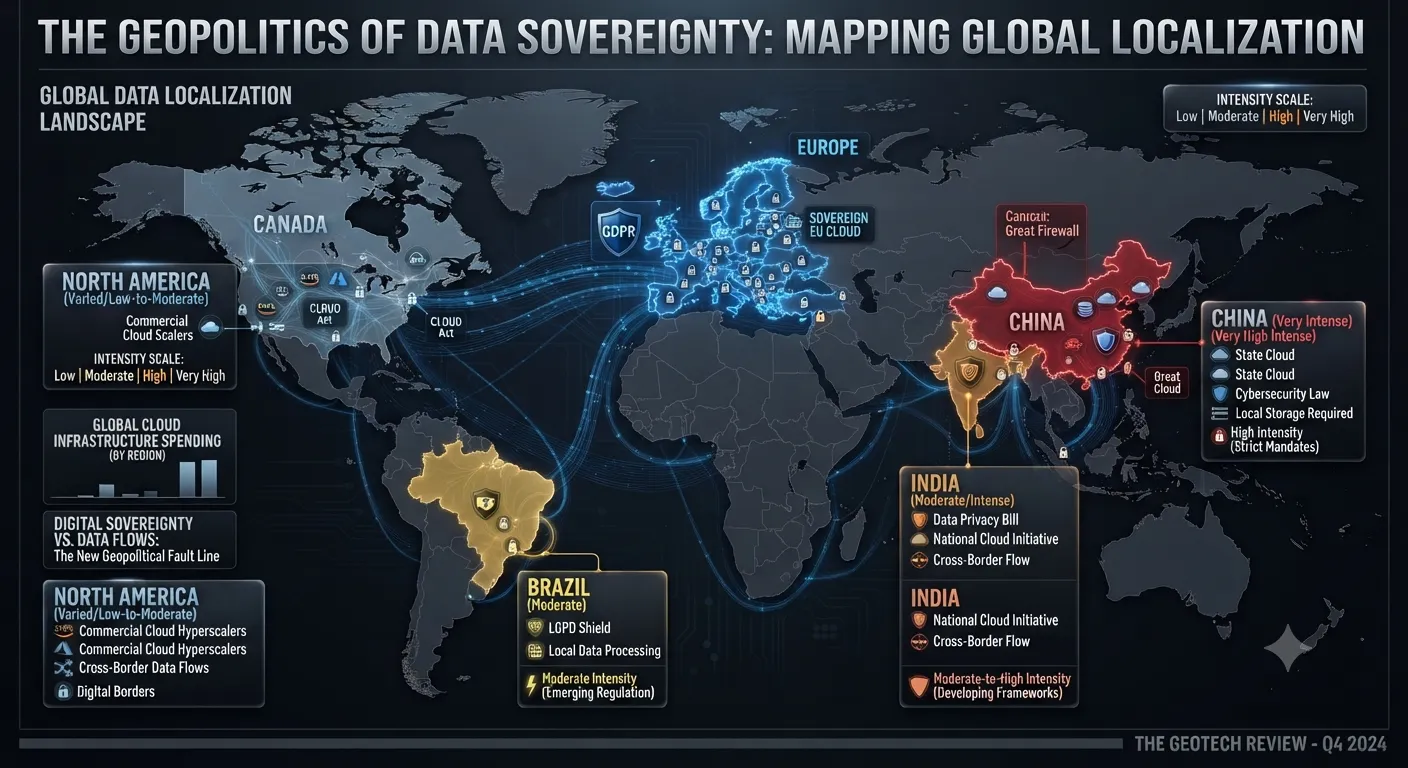
The regulatory environment in 2025 is characterized by a patchwork of overlapping mandates that vary significantly across jurisdictions. This complexity forces SaaS providers to navigate a multi-layered compliance landscape where the requirements of one region may directly conflict with the laws of another.
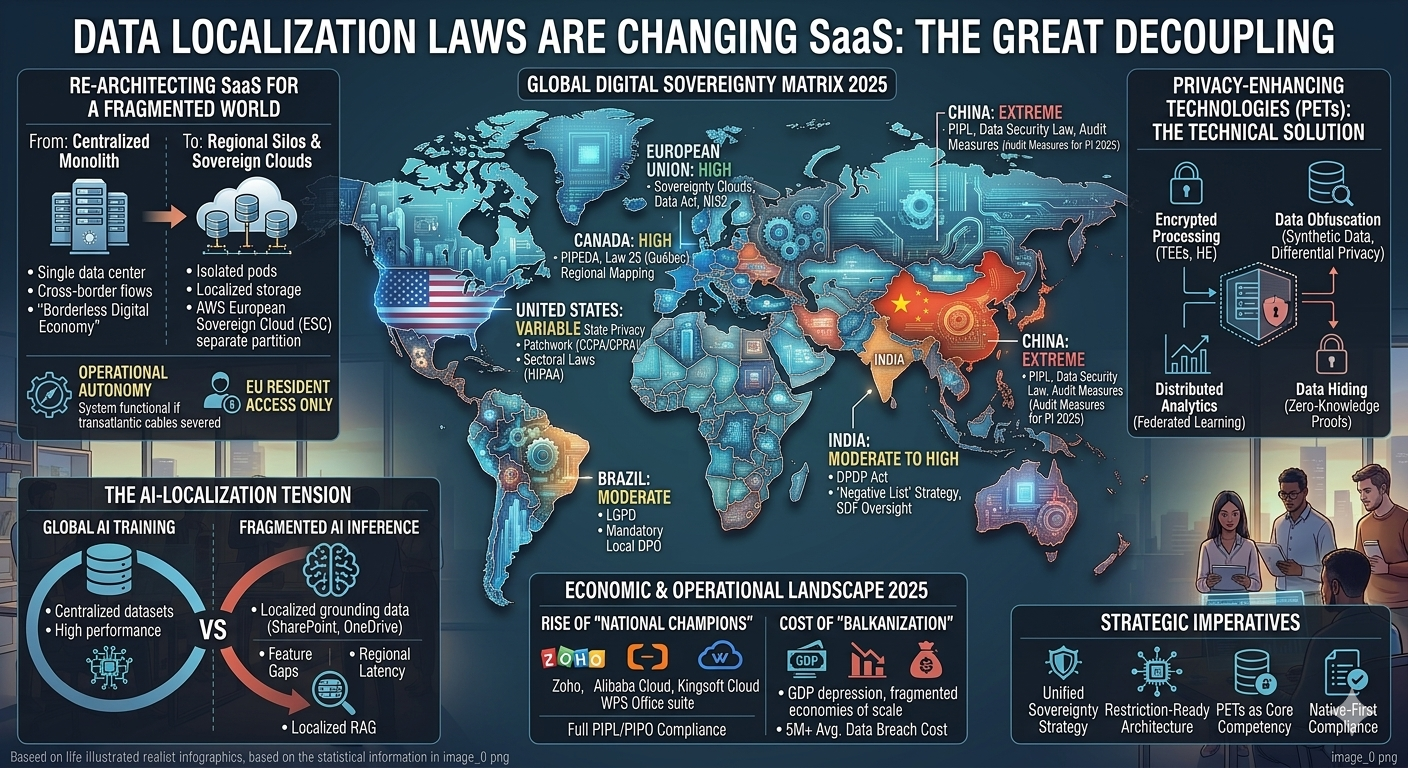
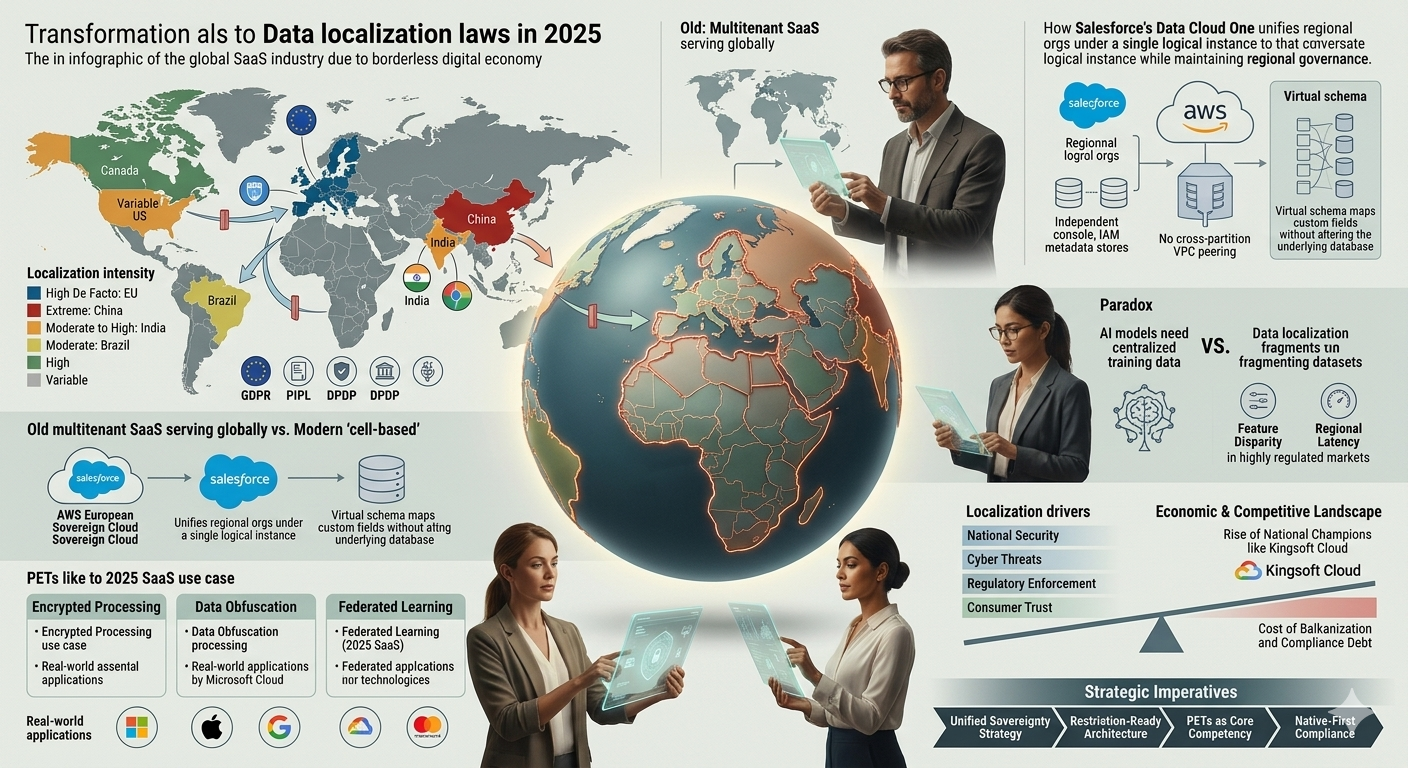
Region | Primary Regulatory Frameworks | Localization Intensity | Core Compliance Mechanism |
European Union | GDPR, Data Act, DORA, NIS2 | High (De Facto) | Adequacy, SCCs, Sovereign Clouds |
China | PIPL, Data Security Law, CSL | Extreme | CAC Security Assessments, Local Audits |
India | DPDP Act (2023), DPDP Rules (2025) | Moderate to High | Negative List, SDF Oversight |
Brazil | LGPD | Moderate | Mandatory Local DPO, GDPR Mirroring |
Canada | PIPEDA, Law 25 (Québec) | High | PIAs, Regional Data Mapping |
United States | CCPA/CPRA, State Privacy Patchwork | Variable | Consumer Rights, Sectoral Laws (HIPAA) |
The Evolution of the European Union’s Digital Sovereignty
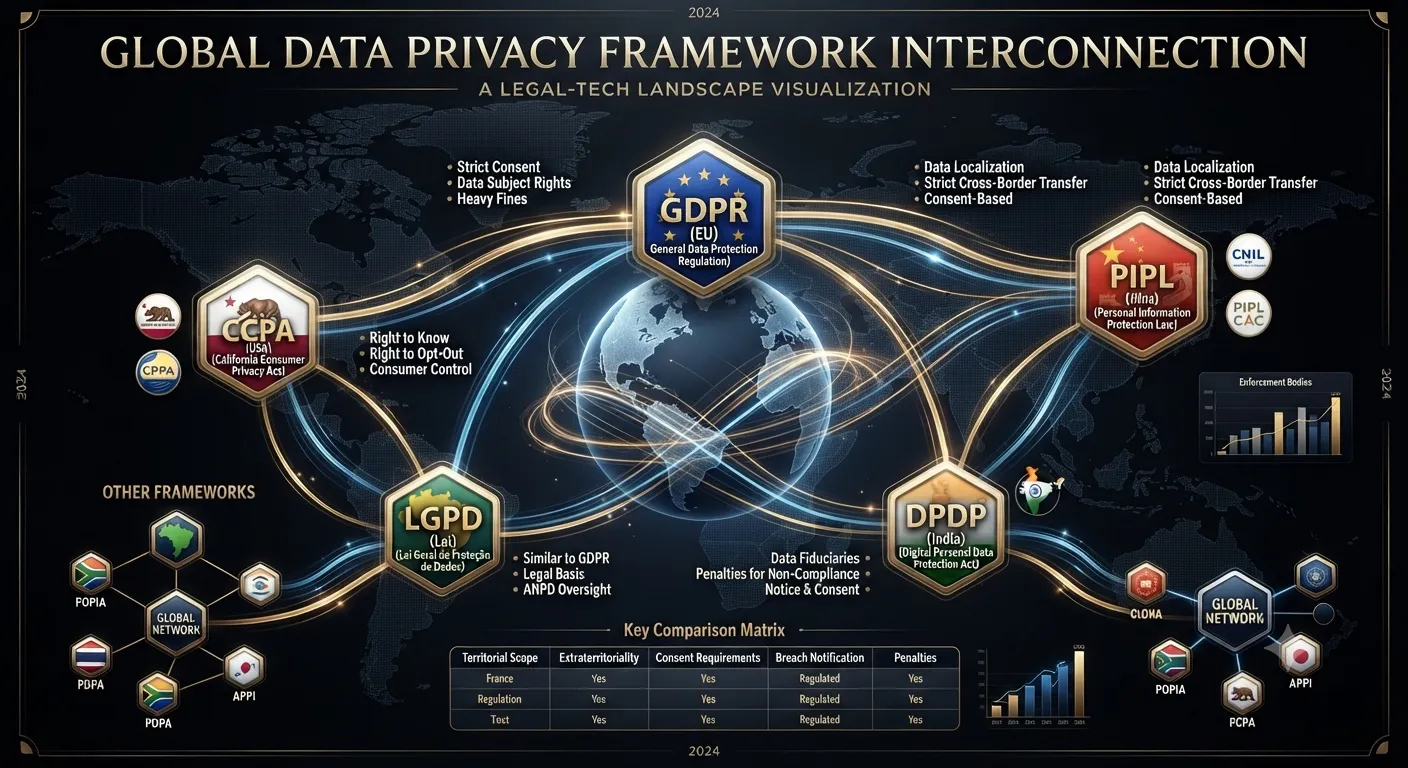
The European Union remains the global benchmark for data regulation, but its approach in 2025 has shifted from pure privacy protection toward a broader vision of digital autonomy. While the General Data Protection Regulation (GDPR) does not explicitly mandate localization, its stringent requirements for cross-border transfers to "third countries" create a powerful de facto localization effect. Personal data of EU citizens can only be transferred outside the European Economic Area (EEA) if the receiving country ensures an "adequate level of protection," a standard that many jurisdictions, including the United States, struggle to meet consistently.
In 2025, the EU-US Data Privacy Framework (DPF) is facing significant legal challenges in the Court of Justice of the EU (CJEU), with activists arguing that US surveillance laws continue to undermine European privacy rights. This uncertainty has prompted a massive migration of sensitive workloads to "sovereign clouds"—infrastructures that are physically located in the EU and operated entirely by EU-based entities with no dependence on non-EU systems.
Furthermore, the EU Data Act, effective September 12, 2025, introduces revolutionary requirements for data generated by the Internet of Things (IoT). It empowers users to access and share data generated by connected products, mandating that SaaS providers create interfaces that facilitate this data portability while ensuring that the data remains within the EU’s regulatory sphere. Simultaneously, the Digital Operational Resilience Act (DORA), effective January 17, 2025, imposes strict localization-like oversight on the financial sector, requiring SaaS vendors to provide granular visibility into their third-party supply chains and data flows.
China's "Great Firewall" of Data
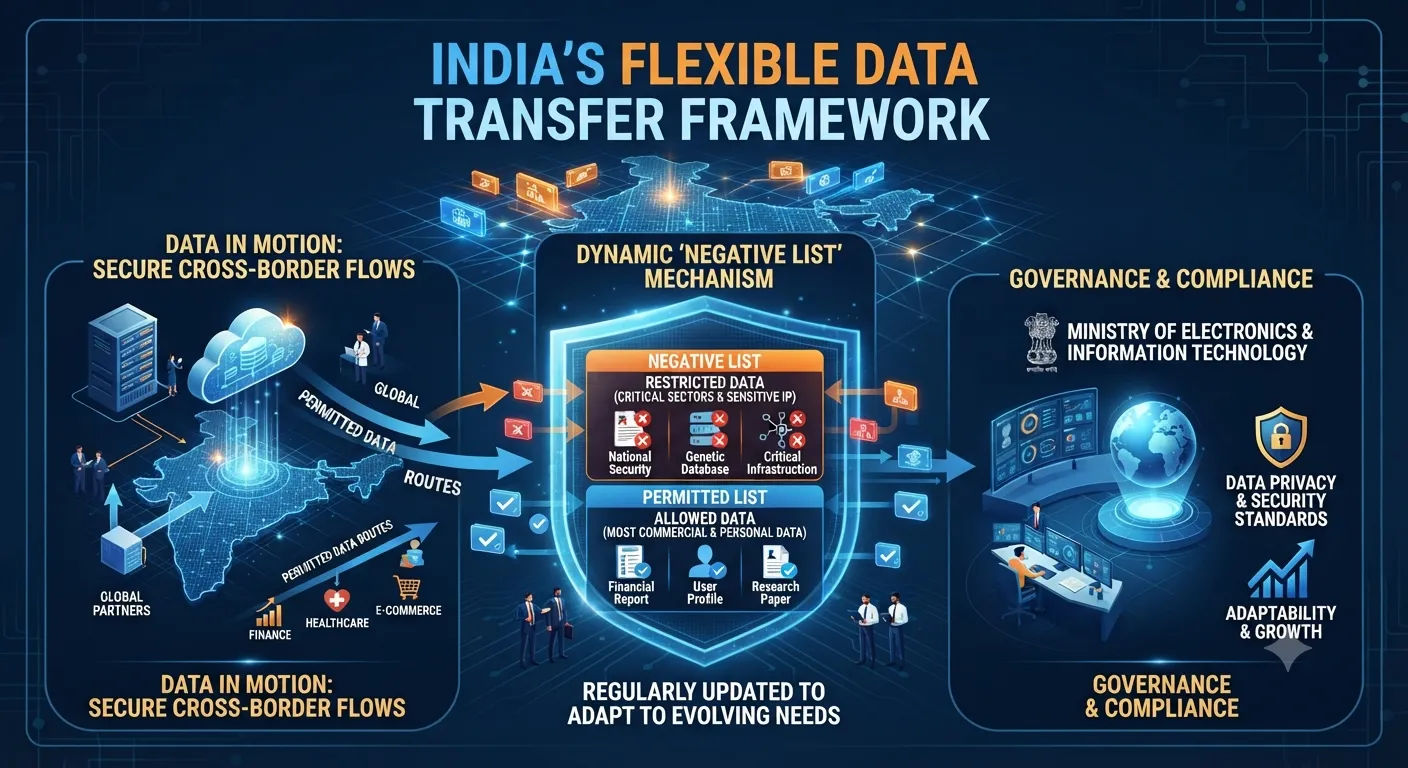
China has implemented perhaps the world’s most restrictive data localization regime through a triad of laws: the Personal Information Protection Law (PIPL), the Data Security Law (DSL), and the Cybersecurity Law (CSL). For SaaS platforms, the Chinese market now requires a complete architectural bifurcation. Personal information and "important data" must be stored locally, and any attempt to transfer data abroad triggers a rigorous security assessment by the Cyberspace Administration of China (CAC).
A defining development in 2025 is the implementation of the Audit Measures for Personal Information Protection, which took effect on May 1, 2025. These measures require organizations handling the personal information of more than 10 million individuals to conduct a compliance audit at least once every two years. Large Online Platforms (LOPs)—those with more than 50 million registered users—face even more draconian rules, including the mandatory appointment of a Data Protection Officer (DPO) who must be a PRC national with no overseas permanent residency. This requirement ensures that the individual responsible for data compliance is fully within the reach of Chinese domestic law.
India’s "Negative List" Strategy
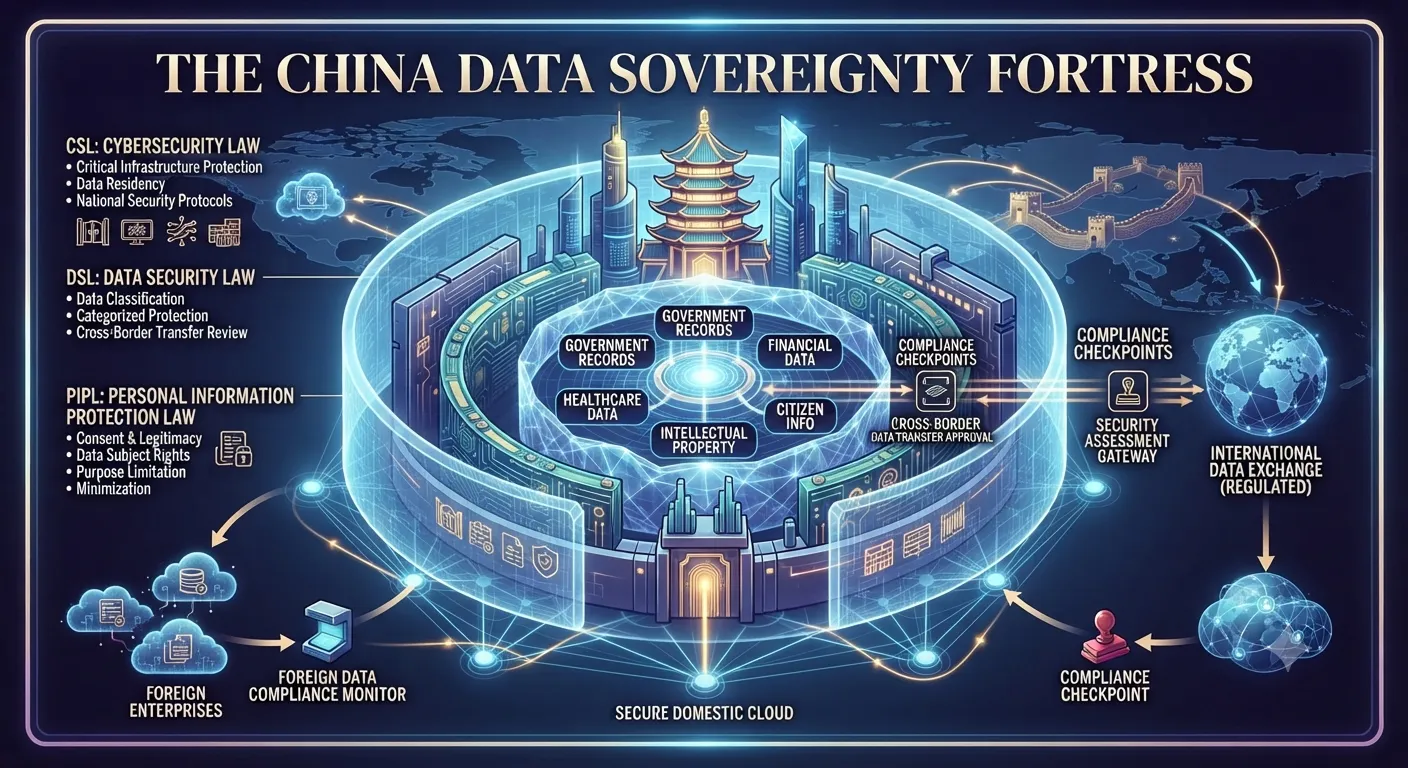
India’s Digital Personal Data Protection (DPDP) Act of 2023, operationalized through the 2025 Rules, represents a departure from the EU's "whitelist" approach. Instead, India utilizes a "negative list" system, permitting data transfers to any country unless specifically restricted by the Central Government. While this initially appears more flexible, the government retains broad powers to restrict transfers based on national security or public interest.
SaaS providers in India are particularly impacted by the designation of Significant Data Fiduciaries (SDFs). Organizations classified as SDFs—based on the volume and sensitivity of data they process—must appoint an India-based DPO and conduct regular Data Protection Impact Assessments (PIAs). Furthermore, Rule 23 of the DPDP Rules grants the government the power to demand information, requiring SaaS architectures to ensure that even data stored in permitted offshore locations is promptly retrievable and not impeded by foreign laws.
Re-Architecting SaaS for a Fragmented World
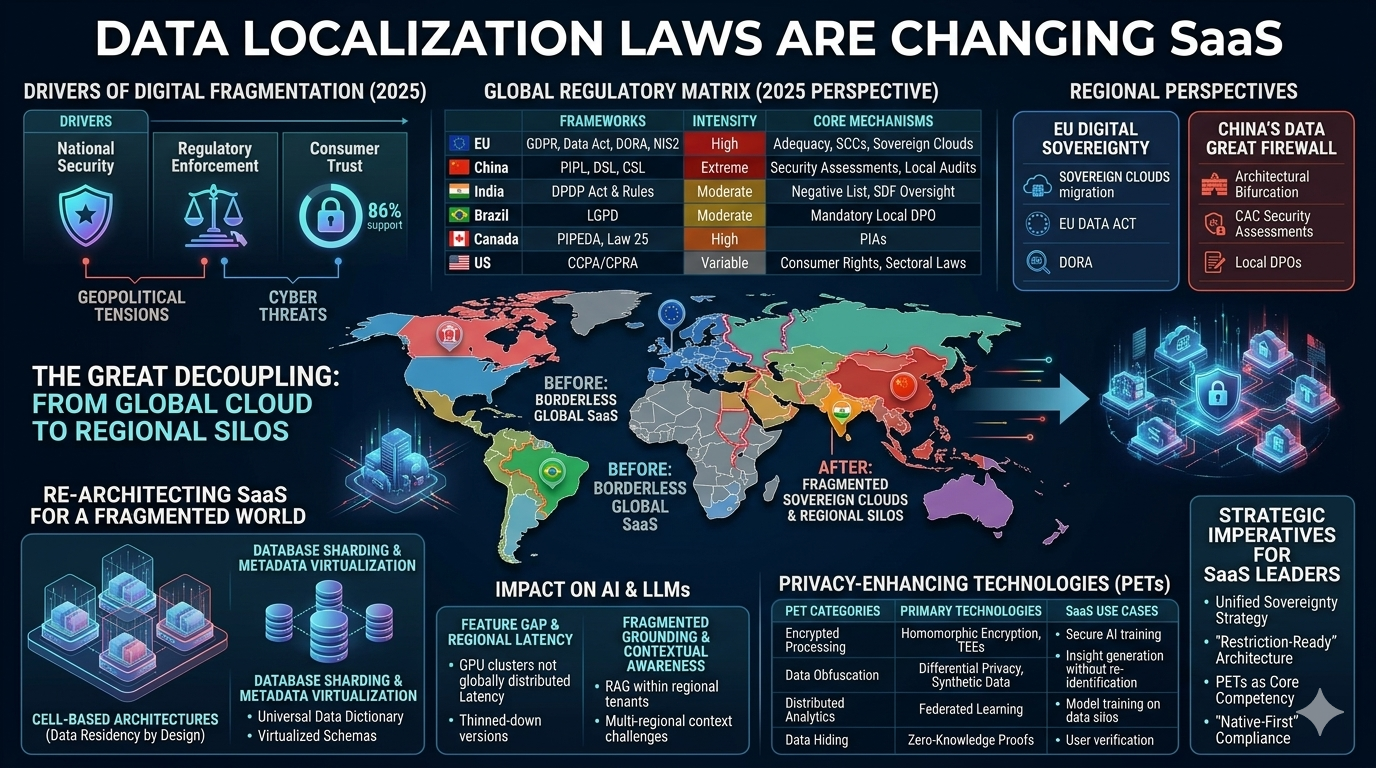
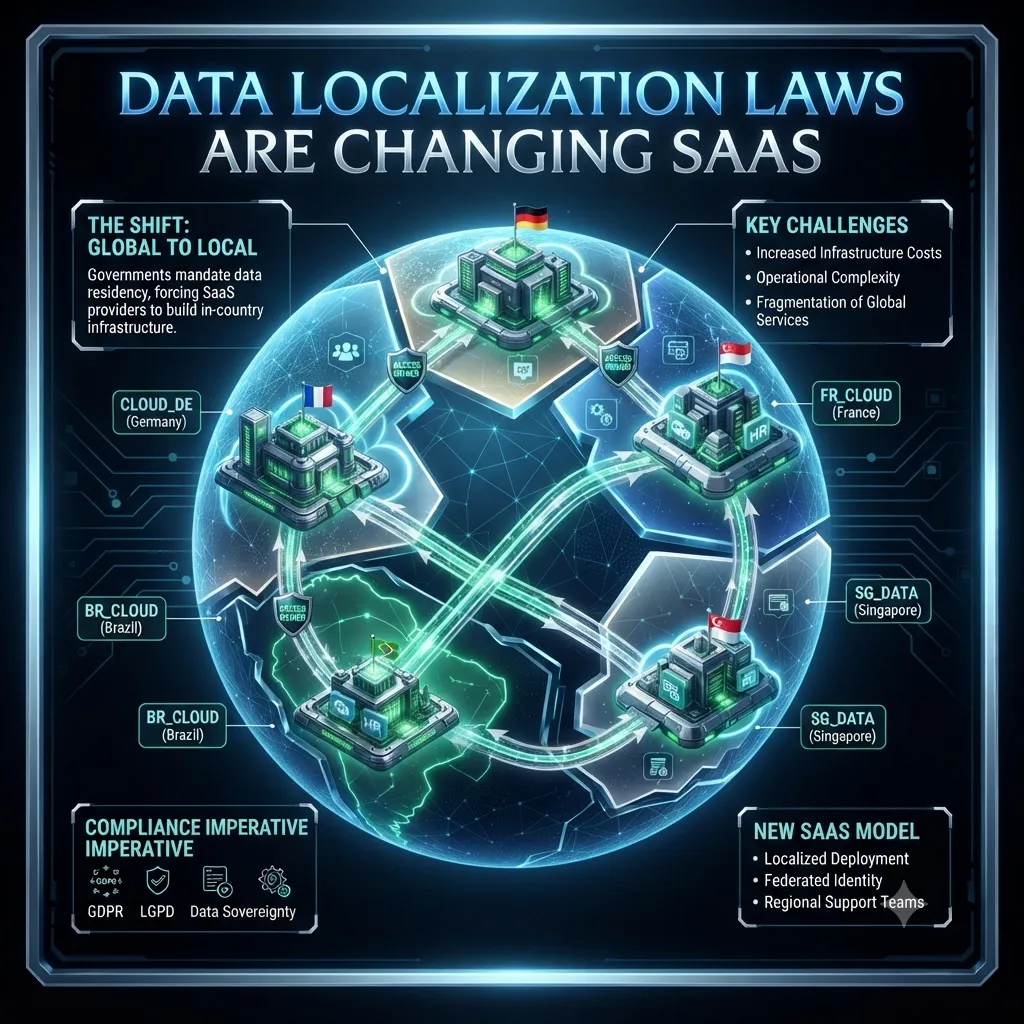
The transition from global scale to regional silos has profound implications for SaaS architecture. In the previous era, multitenancy was achieved by co-hosting thousands of customers on a single logical database schema in a central region. In 2025, this model is being replaced by regionalized deployments where data residency is baked into the foundation of the system.
The Shift to Regional Silos and Sovereign Clouds
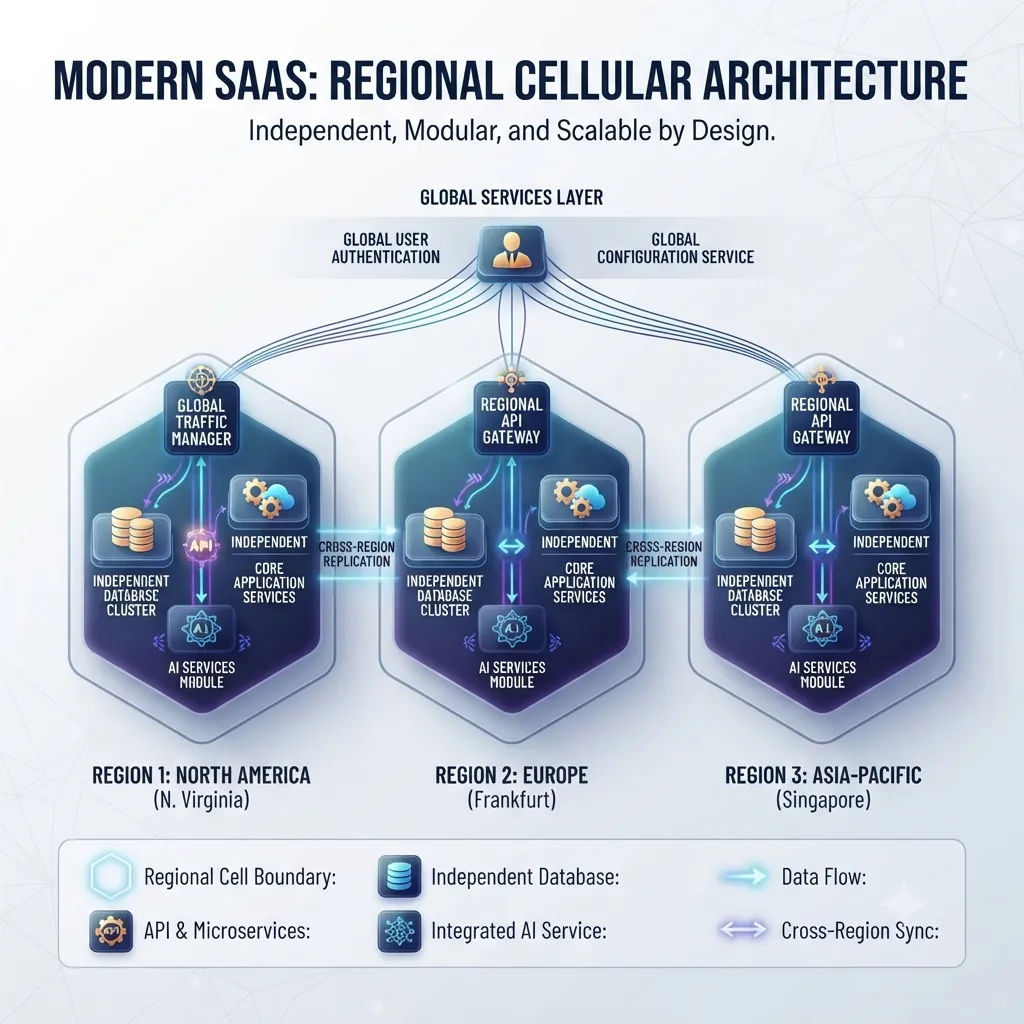
Modern SaaS providers are increasingly adopting a "cell-based" or "pod-based" architecture, where each region operates as an independent, self-contained unit. This approach, often referred to as "Data Residency by Design," ensures that customer data never crosses geographic boundaries during storage or processing.
The most advanced implementation of this trend is the AWS European Sovereign Cloud (ESC). Unlike a traditional AWS region, the ESC is a completely separate "partition". This logical and physical isolation means that the ESC has its own independent console, its own Identity and Access Management (IAM) system, and its own metadata stores. From a developer's perspective, deploying to the ESC is not a matter of changing a region code; it requires Terraform 1.14+ and separate CI/CD pipelines to manage the unique aws-eusc partition.
The isolation is so comprehensive that cross-partition VPC peering is not possible; connecting a standard AWS region to the ESC requires a VPN or Direct Connect, treating the other cloud as if it were an on-premises data center. This architecture ensures "operational autonomy," where the system remains functional even if transatlantic cables are severed, and only EU residents have access to the infrastructure and customer data.
Database Sharding and Metadata Virtualization
For established SaaS giants like Salesforce, maintaining compliance across these regions requires sophisticated metadata-driven architectures. Salesforce's Hyperforce platform allows customers to choose a specific cloud region (e.g., AWS Frankfurt) where their data at rest—including records, custom objects, configurations, and backups—physically resides.
The technical mechanism behind this involves a universal data dictionary and a pivot-table model that virtualizes the schema for each tenant. When a user adds a custom field, the system does not alter the underlying Oracle database schema but instead updates the MT_Fields table. This abstraction layer allows Salesforce to maintain a single codebase while physically sharding data across different regional instances.
Furthermore, "Data Cloud One" allows organizations to unify these regional orgs under a single logical instance while maintaining regional governance. Data is organized into "Data Spaces"—logical containers for metadata and processes—which are selectively shared between the "Home Org" (central governance) and "Companion Orgs" (regional execution). This ensures that while identity resolution and profile modeling can be centralized, the actual sensitive data remains within its required jurisdiction.
The Impact on Artificial Intelligence and Large Language Models
The collision of data localization and the AI revolution has created a fundamental tension in SaaS development. AI models, particularly Large Language Models (LLMs), require massive, centralized datasets for training and sophisticated compute resources for inference. Localization laws effectively fragment these datasets, making it difficult to achieve the same level of performance across all regions.
Feature Disparity and Regional Latency
In 2025, SaaS providers are increasingly grappling with "feature gaps" between jurisdictions. For example, Microsoft 365 Copilot features are often available by default only in North America; customers in the EU or other regions must frequently opt-in to cross-border data movement for processing, potentially violating their own internal residency policies.
This disparity is driven by the fact that the GPU clusters required to run advanced inference are not yet globally distributed in every local sovereignty region. Consequently, users in highly regulated markets may find themselves using "thinned-down" versions of AI tools or experiencing higher latency as their queries are routed through complex, privacy-preserving filters before reaching a compute hub.
Grounding and Contextual Awareness
The effectiveness of AI in SaaS depends on "grounding"—the ability of the model to access current organizational knowledge from tools like SharePoint, OneDrive, and Teams. Localization mandates that this grounding data remain within a specific region. Google Gemini and Microsoft Copilot approach this by integrating retrieval-augmented generation (RAG) within the customer’s regional tenant.
However, this creates challenges for multinational corporations that need their AI to possess cross-regional context. A marketing team in New York using Gemini might not be able to pull in performance data from a subsidiary in China due to PIPL restrictions, leading to fragmented insights and reduced AI utility.
Privacy-Enhancing Technologies (PETs): The Technical Solution to Legal Fragmentation
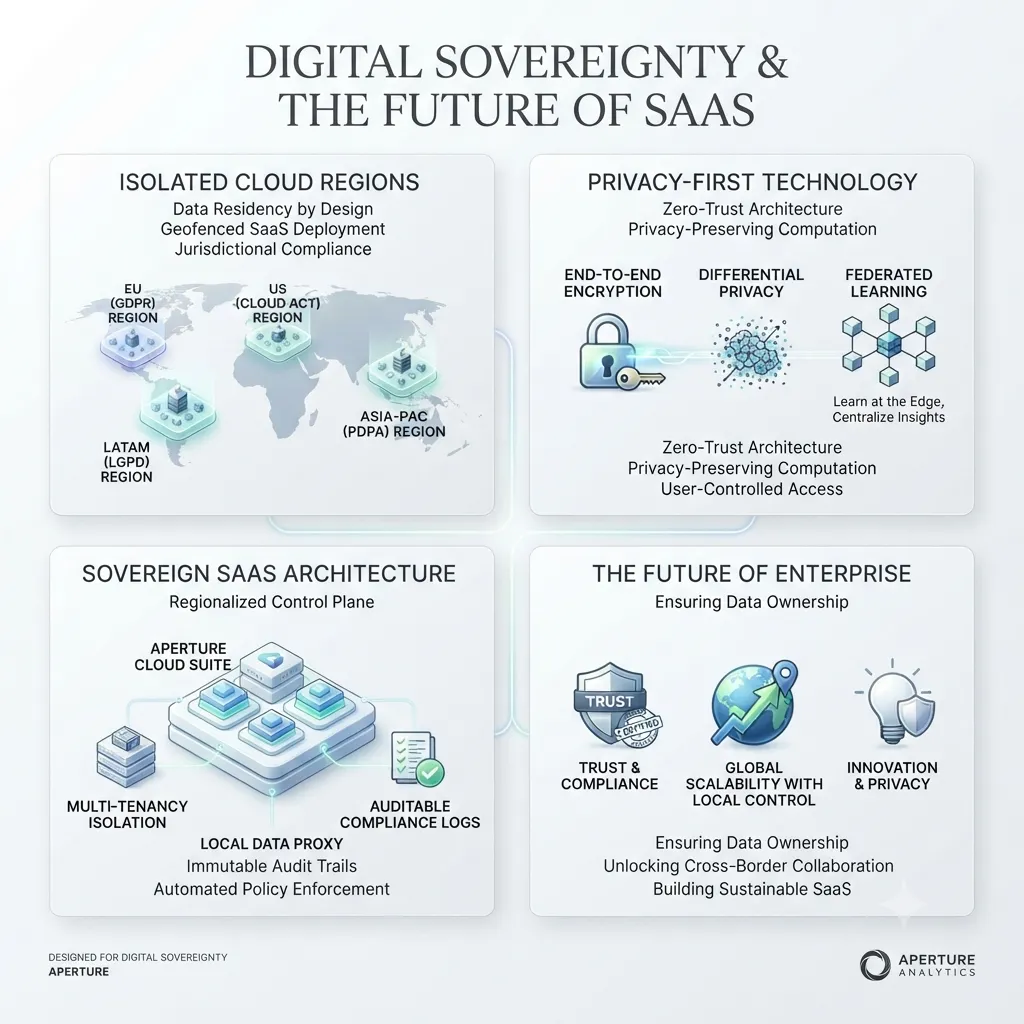
As SaaS providers struggle to balance localization mandates with the need for global data utility, Privacy-Enhancing Technologies (PETs) have emerged as the primary technical solution. By 2025, PETs are no longer experimental; they are being integrated into the core security systems of over 60% of large global enterprises.
PETs allow organizations to analyze and share insights from data without ever exposing the sensitive raw information. These technologies transform privacy from a defensive requirement into a strategic advantage, enabling innovation in highly restricted environments.
PET Category | Primary Technologies | Use Case in 2025 SaaS |
Encrypted Processing | Homomorphic Encryption (HE), TEEs | Secure AI model training without decrypting sensitive input data |
Data Obfuscation | Differential Privacy, Synthetic Data | Generating insights from health or financial records while preventing re-identification |
Distributed Analytics | Federated Learning | Training models on data silos in different countries without moving the data |
Data Hiding | Zero-Knowledge Proofs (ZKP) | Verifying user identity or credentials without disclosing the underlying data |
Real-World Applications of PETs
In 2025, several major platforms have operationalized PETs to solve residency challenges:
Microsoft and Azure Confidential Computing: Microsoft has migrated critical workloads, including Windows licensing, to Trusted Execution Environments (TEEs). This ensures that even the cloud provider cannot access the data being processed, effectively neutralizing the legal risk of the US government subpoenaing data stored on behalf of a European customer.
Apple and Homomorphic Encryption: Apple utilizes homomorphic encryption for its machine learning services, ensuring that server-side lookups remain private and scalable without ever seeing the user's raw query.
Google and TEEs: Google’s advertising platform uses TEEs to process audience lists such that the raw data is never accessible to Google’s own internal systems, satisfying the privacy requirements of both the GDPR and CCPA.
Mastercard and Federated Learning: Mastercard utilizes federated learning to detect financial crime across different jurisdictions, allowing its models to learn from localized data silos without ever crossing borders.
The European Health Data Space (EHDS), launched in early 2025, relies almost entirely on PETs to facilitate the secondary use of health data for research. Researchers can access large, pseudonymized datasets through the HealthData@EU infrastructure, which uses federated learning to ensure that the data remains securely within its domestic health system while providing global research value.
The Economic and Competitive Landscape of 2025
The rise of data localization has triggered a significant shift in the competitive dynamics of the SaaS industry. The era where a Silicon Valley startup could easily disrupt global markets is being challenged by the high capital and compliance barriers to entry in fragmented jurisdictions.
The Rise of the "National Champions"
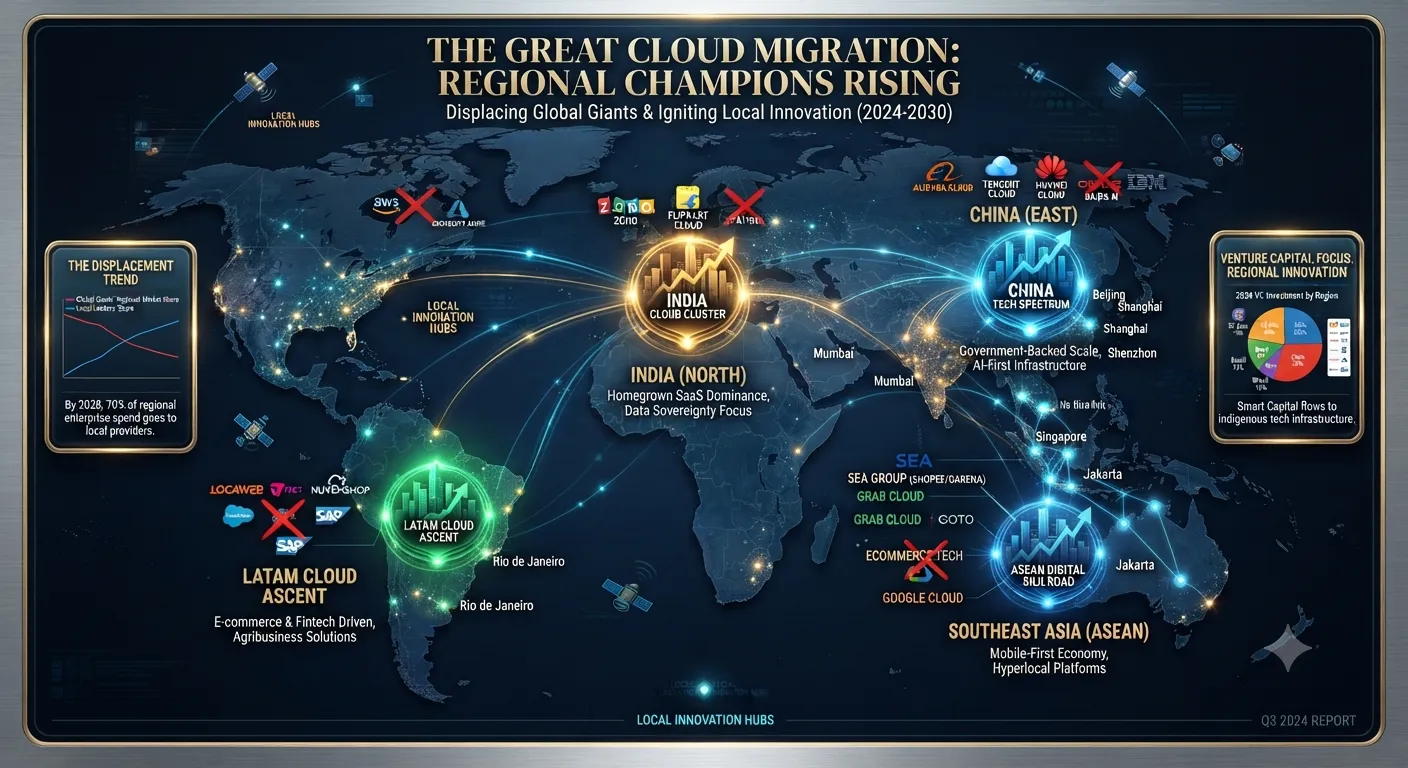
Local SaaS providers in large, regulated markets have become the primary beneficiaries of localization laws. In India and China, domestic players like Zoho, Kingsoft, and Alibaba Cloud have leveraged their deep understanding of local compliance and their established regional infrastructure to capture market share from global giants.
Kingsoft Cloud, for instance, has solidified its position as China’s leading independent cloud provider by focusing on specialized vertical solutions for gaming, video, and financial services. Its WPS Office suite, which achieved 100 million daily active devices in China by late 2024, is often preferred by Chinese enterprises because it guarantees full compliance with the PIPL and PIPO requirements that global competitors struggle to meet. Similarly, in Southeast Asia, local conglomerates and telecoms are becoming the primary providers of localized cloud services, often partnering with Chinese providers like Huawei Cloud that are not subject to the same US extraterritorial restrictions.
The Cost of "Balkanization"
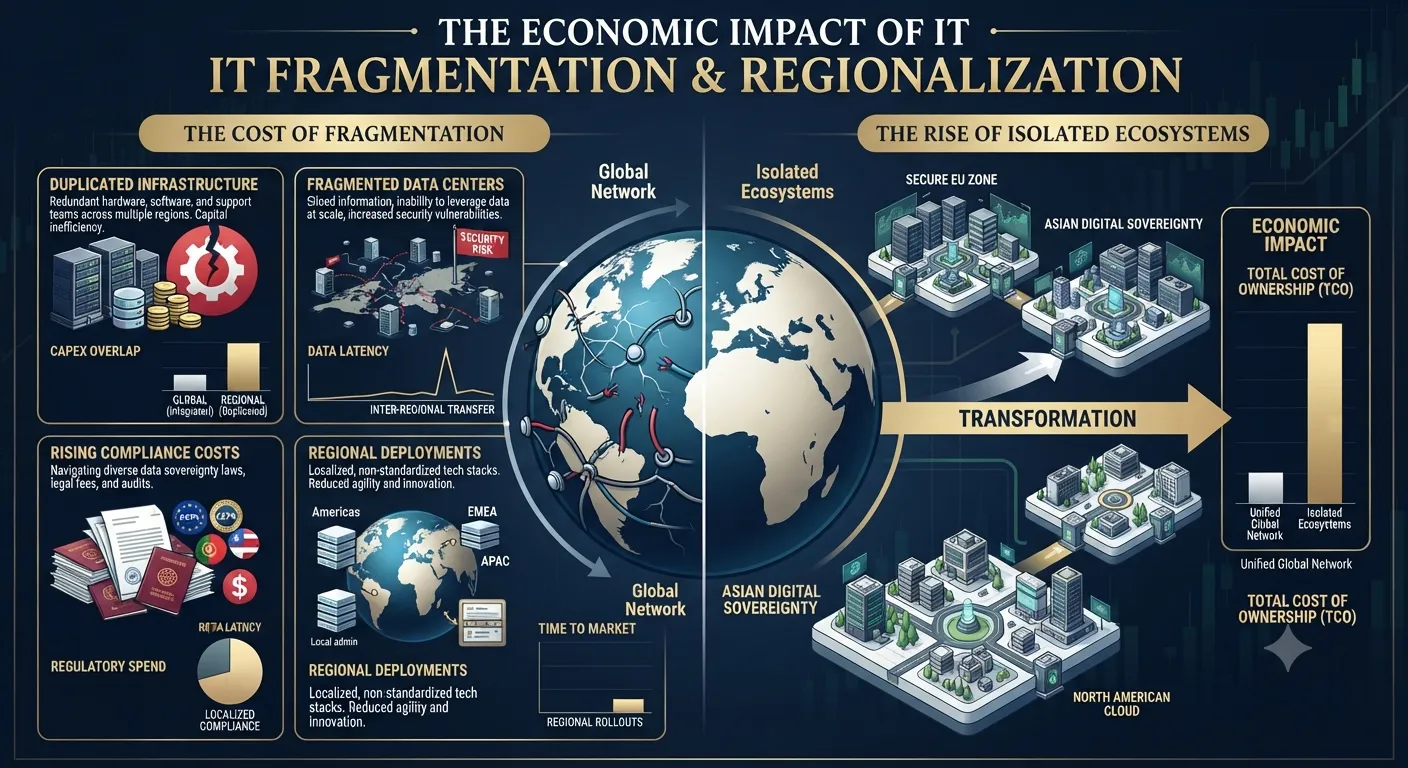
For global SaaS providers, the economic impact of localization is profound. The requirement to duplicate infrastructure across multiple jurisdictions fragments economies of scale and increases operational overhead. Maintaining redundant data centers and region-specific stacks significantly raises capital requirements, particularly for smaller firms that cannot afford to build "sovereign" versions of their products for every market.
A study by the ECIPE economic modeling group suggests that forced data localization in major markets like China could depress GDP by as much as 1.1% due to increased costs and reduced innovation. Furthermore, the complexity of managing data across fragmented environments has driven up the cost of security; a data breach involving information stored across multiple localized environments now costs over $5 million on average and takes significantly longer to contain.
Operational Risks and Strategic Resilience
As SaaS organizations navigate the decoupled world of 2025, they must move beyond reactive compliance and toward strategic resilience. This requires a fundamental shift in how they view their vendor relationships, their internal development cycles, and their interactions with regulators.
The Problem of "Compliance Debt"
Many SaaS companies are currently accumulating "compliance debt" by relying on outdated transfer mechanisms or "legacy" architectures that were not designed for regional isolation. In 2025, this debt is being called due as regulators intensify enforcement. The GDPR, for instance, has begun issuing massive fines—such as the €530 million penalty against TikTok—for improper data transfers and lack of transparency.
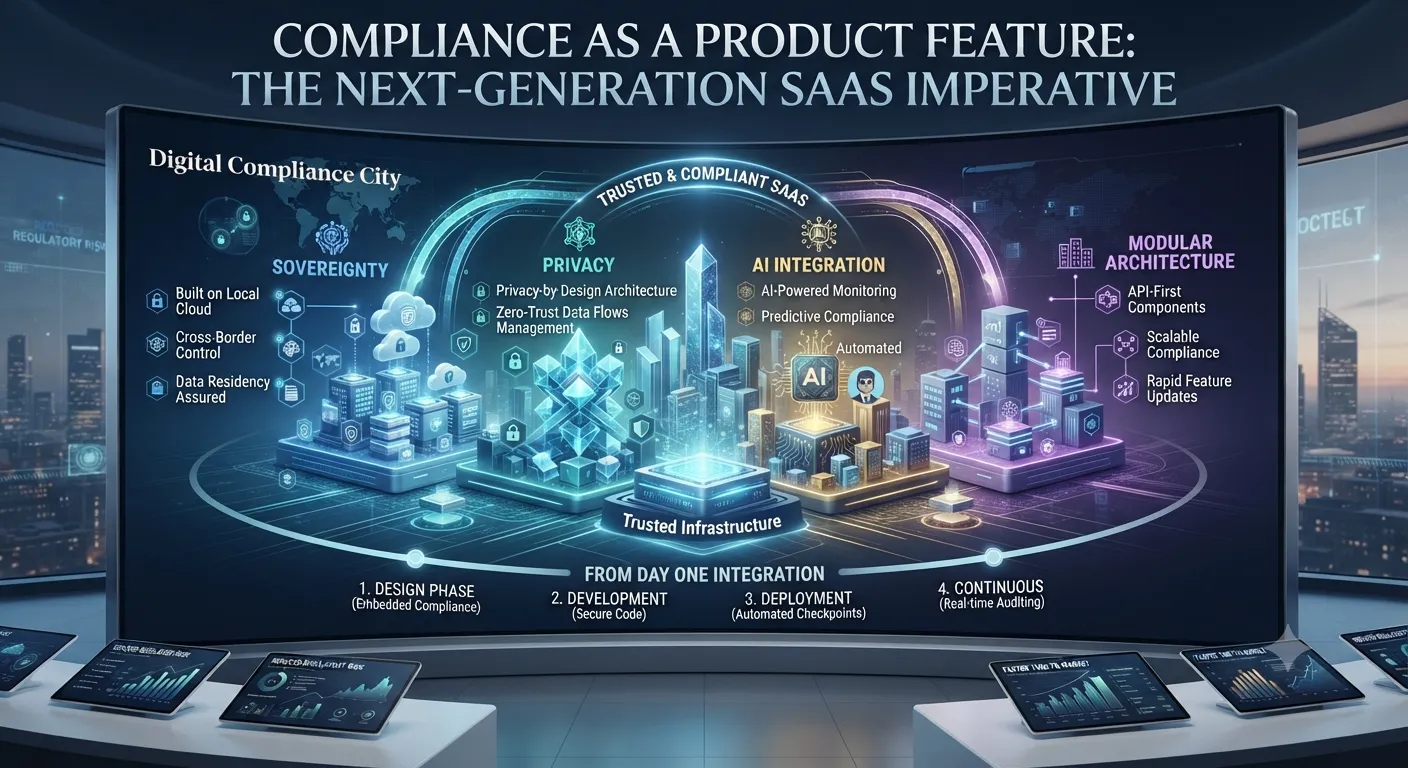
The "real cost" of non-compliance, however, is often hidden. It manifests in the enterprise customers who refuse to sign a contract because the vendor cannot "check the box" on a residency questionnaire. For a modern SaaS provider, compliance is no longer a legal hurdle; it is a core feature that determines market access.
Vendor Due Diligence and the Shared Responsibility Model
In the sovereign cloud era, the relationship between a SaaS provider and its cloud infrastructure vendor has changed. Compliance is now a "shared responsibility". While AWS or Microsoft can provide a sovereign infrastructure (like the ESC), the SaaS provider is still responsible for how they configure that infrastructure, how they manage encryption keys, and how they handle data access for their own support staff.
SaaS vendors must now conduct exhaustive due diligence on their subprocessors, maintaining updated lists and ensuring that every vendor accessing customer data has a Data Processing Agreement (DPA) that specifies regional boundaries and audit rights. Furthermore, the rise of "Shadow IT"—where employees use unauthorized SaaS tools—poses a critical risk to data residency, as these tools may be silently exporting sensitive data to non-compliant jurisdictions.
Strategic Imperatives for 2025 and Beyond
The transformation of the SaaS industry by data localization laws is not a temporary trend but a permanent restructuring of the digital economy. To survive and thrive in this environment, SaaS leaders must adopt four strategic imperatives.
1. Unified Sovereignty Strategy
Organizations must move away from treating localization as a series of isolated regional problems and toward a unified global strategy for "Digital Sovereignty". This involves identifying which workloads require the highest level of sovereignty (e.g., healthcare or public sector data) and matching them with the appropriate level of infrastructure, whether it be a standard regional cloud, a sovereign cloud partition, or a localized on-premises deployment.
2. Implementation of "Restriction-Ready" Architecture
Following the Indian DPDP model, all global SaaS products should be built with "restriction-ready" architectures. This means that data pipelines, API routing, and storage logic must be modular enough to allow for the rapid migration of data from one jurisdiction to another within a 30-to-90-day window. This flexibility is essential for responding to sudden changes in the "negative list" or the revocation of adequacy decisions.
3. Investment in PETs as a Core Competency
Privacy-enhancing technologies are the only way to resolve the "Privacy vs. Utility" paradox in AI and analytics. SaaS companies must treat PETs not as an add-on but as a core competency, integrating TEEs and federated learning into their standard development lifecycle. This allows them to offer advanced AI features to customers in highly regulated markets without requiring them to compromise their data residency.
4. Transition to "Native-First" Compliance
As evidenced by the Salesforce and Flosum models, the most effective compliance is "native-first". By ensuring that all application logic, deployment history, and backups remain within the same regional boundaries as the customer's production data, SaaS providers can provide "audit-ready transparency". This satisfies the most stringent regulatory requirements while simplifying the documentation process for both the vendor and the customer.
The Great Decoupling of the SaaS industry represents a challenging but inevitable evolution. While the costs of fragmentation are high, the move toward a more localized, sovereignty-aware digital economy also offers opportunities for innovation in privacy and security. The SaaS providers who successfully navigate this transition will be those who can provide their customers with the benefits of global software while respecting the reality of national digital borders.
Protect Your Future: The Precision Vesting Calculator
Don't let a "handshake deal" complicate your exit. Map out your ownership journey with our Vesting Calculator
Calculate Your Vesting Schedule →